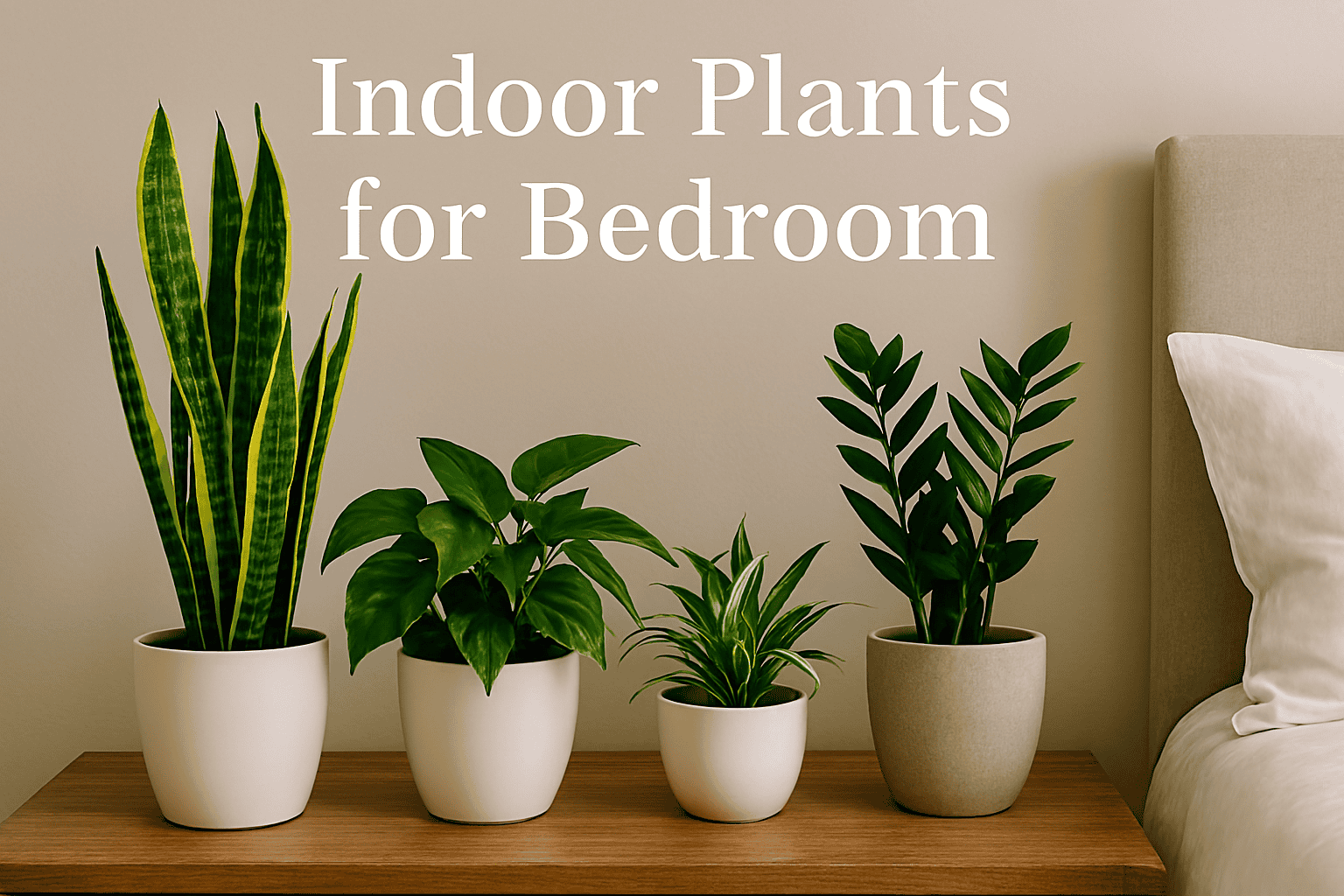
Today I will share best indoor plant for bedroom that’s make your home more beautiful. Anyone can choosing good indoor plants for the different microenvironments in home, whether it’s a warm, humid room.
- Bird’s Nest Fern
- Pothos
- Prayer Plant
- Philodendron
- Zz plant
- Peace lily
- Parlor palm
- Cast iron plant
- Chinese Evergreen
- Rubber plant
- Fiddle leaf fig
- Monstera
- Polka dot Plant
- Peperomia
- Air plant
- African violet
- Snake plant
- Alocasia plant
- Spider plant
- Jade Plant
- Aloevera plant
- Haworthia
- Kalanchoe
- Jasmine
- Rosemary
- Lucky bamboo
- Money plant
- Orchid
- Boston fern
29 best indoor plants for bedroom
Here, I will explain some indoor plant for bedroom which can help you a lot.
1. Bird’s nest fern

- Plant size : 3-5 feet tall and 2-3 feet wide
- Plant type : Tropical
The Bird’s nest fern is native to the tropical regions such as Asia, Australia, and East Africa. The plant is known for its light green, crinkled fronds that have a waxy cuticle. This plant thrives in moist soil so water when the top inch of soil is dry but they dislike being waterlogged.
2. Pothos

- Plant size : 6-10 feet
- Plant type : Evergreen Climber
All kinds of indoor plants are poisonous which are harmful to children, old people and pets. Instead, aim for bright indirect light or filtered sunlight. Water your Pothos every 1-2 weeks, allowing soil to dry out between watering.The best soil for pothos plants should be well-draining and rich in nutrients.
3. Prayer plant

- Plant size : Height and Width of 6 to 12 inches
- Plant type : Marantaceae family
The prayer plant is one of the most beautiful decorative foliage. This plant is like to stay lightly and consistently moist not sopping wet. Water your plant thoroughly until water is running out of the drainage hole and then re water when the top 25% is dry.
4. Philodendron

- Plant size : 1-2 feet tall
- Plant type : Shurb
Heartleaf philodendron is an easy-to-grow plant, so it’s also known as the sweetheart indoor plant. This plant is popular for its heart-shaped leaves and trailing vines. require medium to bright indirect sunlight. To ensure that no direct sunlight reaches your plant, as this can cause yellow leaves.
5. Zz plant

- Plant size : 2 to 4 feet tall and wide
- Plant type : Tropical perennial
ZZ plant is a tropical perennial which is native to Eastern Africa. This plants are also called Zanzibar gems for their spotless, waxy leaves that are so deep green that sometimes. Though it can tolerate lower indirect light, the zz thrives in medium to bright indirect light. Your zz plant every 2-3 weeks, allowing the soil to dry out between watering.
6. Peacelily

- Plant size : 1-4 feet Tall
- Plant type : Foliage plant
One of the most popular indoor plants are Peace lily with easy to grow features. It prefers low to bright, indirect sunlight. They’re the perfect plant to bring life to a dark room or corner.This plant need consistently moist soil, but they definitely don’t like to sit in standing water. Whenever the top inch of soil is dry, water the plant until the overflow starts to come out of the bottom of the container.
7. Parlour palm

- Plant size : 6 feet tall
- Plant type : Shurb
Parlour palm is a species of small palm tree native to the rainforests in Southern Mexico and Guatemala. The parlor palm is one of the most extensively sold houseplant palms in the world. It can grow best in tropical or indoor conditions with bright, indirect sunlight, well-drained acidic to neutral soil.
8. Cast iron plant

- Plant size : 1 to 2 feet tall
- Plant type : Perennial
Cast-iron-plant is also known in Japanese as haran is a species of flowering plant in the family Asparagaceae, native to Japan and Taiwan. It thrives in low light, so give them a dim corner.They will grow medium to bright indirect light. Properly get water the Cast iron plant is to let the soil dry out completely between watering.
9. Chinese evergreen

- Plant size : 1 to 3 feet tall and 1 to 3 feet wide
- Plant type : Tropical
Aglaonema is also known as Chinese evergreen for its large, glossy, lance shaped to oval leaves and different colours combination such as silver, green , red, white and pink. It prefers low to bright indirect light, peat-based soil, and thrive in temperatures of 68 to 77 °F with 60-70% humidity.
10. Rubber plant

- Plant size : 6-10 feet tall
- Plant type : Tropical
The rubber plant can withstand fifty to seven percent humidity. Nitrogen Phosphorus Potassium is a very good fertilizer for rubber plants. Light is very necessary for the survival of any plant. Its like bright light and a lot of it, but not direct sunlight. Without water, trees and people do not live. Water your Rubber Tree every 1-2 weeks, allowing the soil to dry out between watering.
11. Fiddle leaf fig

- Plant size : 50 ft. tall
- Plant type : Broadleaf evergreen
This plant is looks like as an umbrella plant which has large, dark green leaves that are similar in shape to the plant. Fiddle leaf plant is require bright, filtered light to grow and look their best. Direct sunlight can burn the leaves, especially exposure to hot afternoon sun.To keep water your plant the same amount each week.
12. Monstera

- Plant size :6 to 8 feet tall
- Plant type : Epiphyte
The Split leaf philodendron, also known as Monstera deliciosa, is a tropical plant with unique shape, easy to grow.Some monstera species can survive short periods in low light but won’t be able to grow in low light long-term.Water every 1-2 weeks, allowing soil to dry out between waterings.
13. Polka dot plant

- Plant size : 1 to 2 feet tall
- Plant type : Perennial
Polka dot is a delicate foliage tropical plant. They require bright, filtered light and compost in a warm and humid environment. It can easily grow in containers as indoor plants.
14. Peperomia

- Plant size : 6–12 in. tall, 6–12 in. wide
- Plant type : Piperaceae family
Peperomia is one of the two large genera of the family Piperaceae. This plant is occurring in all tropical and subtropical regions of the world. Most varieties of Peperomia plants prefer medium to bright indirect light, but can tolerate low, indirect light. It can survive in low light, or in artificial light, areas with infrequent watering.
15. Air plant

- Plant size : Two inches to Seven feet
- Plant type : Succulent
Tillandsia air plant have narrow, strap shaped leaves that grow in a rosette pattern. It should be placed in where they will receive bright, indirect light. Avoiding prolonged sun exposure which can easily burn the leaves. This plant prefers regular watering, these plant grow without soil.
16. African violet

- Plant size : Height of 6 to 15 cm and a Width of 6 to 40 cm
- Plant type : Herbaceous Perennial
African Violets are one of the most gorgeous indoor plants. This is a compact flower with low growing plants and bloom in several time of the year. It need indirect sunlight, direct can burn the leaves. Choose a north- or east- facing window for best results.
17. Snake plant

- Plant size : 6 inches to 8 feet tall
- Plant type : Perennial
One of the most toughest indoor plants, snake plants can tolerate easy to grow indoor condition. It also known as “mother -in- law’s tongue” for its stiff, sword like leaves.Typically they grow more quickly in brighter light, but strong direct sunlight burns leaves, especially when plants are outdoors.
18. Alocasia plant

- Plant size : 1 to 15 feet tall and 1 to 10 feet wide
- Plant type : Perennial
I have also grown alocasia plants in my home garden for the past few years. Seeing vibrant leaves would start a beautiful day, but sometimes dull leaves would completely spoil the positive vibes of the mind.This is due to the plant’s natural habitat, it need bright but indirect light.
19. Spider plant

- Plant size : 12-15 inches tall and 18-24 inches wide
- Plant type : Perennial
Spider plant will bring good luck and prosperity to your home. It can still thrive in low-light conditionsand only need to be watered once per week. Grow these easy plants in a bright spot out of direct sun as this can scorch their leaves. Spider Plants enjoy damp but not soggy soil, they will typically need more water in the spring and summer than in the autumn and winter.
20. Jade plant

- Plant Size : 3-6 feet tall and 2-3 feet wide
- Plant type : Succulents
The most important point about jade plant is that this plant can store a lot of water in its roots and stems.grows best in filtered sun to partial shade, and may sunburn if planted in reflected sun. It is drought-tolerant but requires occasional irrigation and does not like to be over-watered.
21. Aloevera plant

- Plant size : 24-39 inches
- Plant type : Succulent
Aloe vera plants need bright, indirect sunlight. Often, you can set the plant in your kitchen window, and it will get plenty of sunshine. If you’re growing aloe vera outdoors, it should go in a sunny spot. Once per week should be plenty unless the plant is in a very hot, dry environment.Then you may need to water it twice a week. Make sure the soil is completely dry before watering again.
22. Haworthia

- Plant size : 4-8 inches in height
- Plant type : Succulent
Haworthia, or Zebra Cactus, has rosettes of thick green leaves with white stripes. These plants like bright, indirect light from south or west windows. They can handle some direct light, but too much can burn their leaves.
23. Kalanchoe

- Plant size : 6 to 12 inches tall and wide
- Plant type : Perennial
Kalanchoe plant is a genus of about 125 species of tropical, succulent plants in the stonecrop family Crassulaceae. It is a popular indoor plant because it’s drought tolerant and easy to grow. This plant prefers bright, indirect sunlight when grown indoors and at least 8 hours of direct sunlight outdoors.
24. Jasmine

- Plant size : 2 to 15 feet in height and width
- Plant type : Tropical
If it is said to enjoy a sweet smell but again the smell should be natural, then we can never avoid jasmine flower. This plant needs six or more hours of strong light per day to thrive indoors. Jasmine will grow well in full sun to partial shaded areas.
25. Rosemary

- Plant size : 2 to 6 feet tall and 2 to 4 feet wide
- Plant type : Shurb
Rosemary likes full sun and does not tolerate shade. This means it requires at least six hours of direct sunlight on most days. Although rosemary prefers soil on the dry side, water your plant every few days if there’s no rain. Indoors, let it dry out slightly before watering again.
26. Lucky bamboo

- Plant size : 1 and 5 feet tall
- Plant type : Tropical
If there is a good luck element in the name lucky bamboo then it will also bring good luck at work. It does not require direct sunlight and actually prefers to avoid it. It thrives best in bright, indirect light.
27. Money plant

- Plant size : 6 to 10 feet
- Plant type : Tropical
Different plants are believed to have their own benefits but money plants are one of the most well known indoor plants known to bring good luck, wealth are prosperity. Medium to bright indirect light with southern exposure. After applying the fertilizer you can put the money plant in the water. This plants are drought tolerant but they prefer constant moisture.
28. Orchid

- Plant size: 1 to 3 feet tall and 6 to 12 inches wide
- Plant type: Perennial
The moth orchid plant is bright and indirect light becomes bigger and more intense direct lights damages this plant. Bright, indirect light from an Eastern or Southern window is ideal. These beautiful flowers do not need much water and prefer their growing medium to have the opportunity to dry out completely between watering.
29. Boston fern


- Plant size: 2-3 feet
- Plant type : Tropical
The Boston Fern is very hardy and can be grown outdoors in the hottest parts of the United States. In 1894, this species of fern was discovered during the Borrow Fern shipment from Philadelphia to Boston. It is considered as a classic indoor plant and easy to care for, as it doesn’t require a lot of sunlight. For its sword shaped leaves, this plant also known as Sword fern.