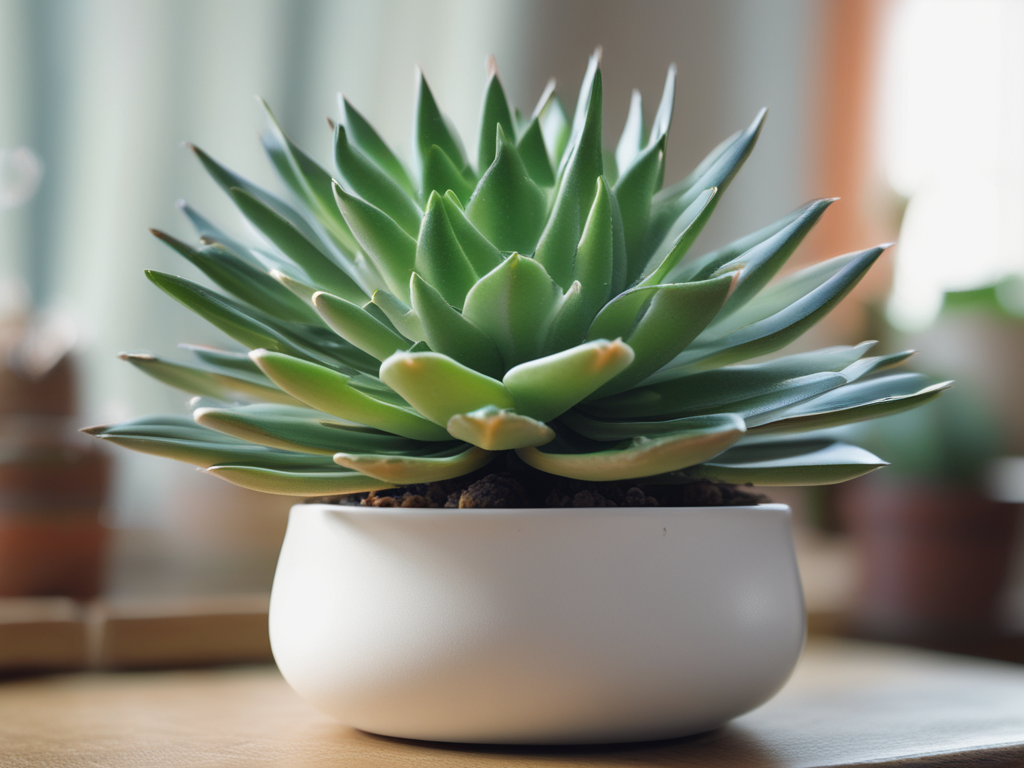
Haworthia is a easy to care plant and its only needs bright light and minimul amount of water. In this article I share in depth Haworthia care tips, with add on fertilizer. I wish you happy grdening.
Page Content
Introduction
Haworthia is also known as Zebra Cactus with rosettes of fleshy green leaves and covered white pearly band. This plant is native to South-Africa where they grow in dry, desert like conditions. Its prefers low maintenance indoor plants and they don’t need frequent watering. They are extremely slow growing and remain small even when mature.
I have shared the steps taken to grow this plant in this article which will guide you.
Scientific classification of Haworthia
- Kingdom: Plantae
- Clade: Tracheophytes
- Clade: Angiosperms
- Clade: Monocots
- Order: Asparagales
- Family: Asphodelaceae
- Subfamily: Asphodeloideae
- Tribe: Aloeae
- Genus:Haworthia

Haworthia Plant Prefers
- Light – Bright, indirect light
- Soil – Sandy-gritty soil
- Soil pH – 6.1- 7.6
- Temperature – 60°F and 85°F
- Humidity – 40-60%
- Bloom time – spring and early summer
- Flower colour -white to pale pink
- Native area – South Africa
- Toxicity– human and pets
Haworthia care
- Haworthia Prefers indirect and bright light
- All of the soil should be dry before watering again
- Use organic Cactus mix that makes a good substrate
- Synthetic fertiliser that is composed by nitrogen,phosphorus and potassium
Detailed Haworthia care
Light
Haworthia plants prefer bright, indirect light, such as that from a south or west window. They can tolerate some direct light, but prolonged exposure may cause leaf burn. These plants are well adapted to lower light conditions found in homes and can be scorched by too much light, so it’s best to keep them away from direct sunlight.
Water

This plant should be watered every 2-3 weeks in direct light, ensuring that the soil dries out between waterings. It’s important for all of the soil to be dry before watering again to prevent root rot. Avoid watering in spring and winter as the plant’s leaves will thicken.
Soil
Haworthia is prefers sandy-gritty soil with proper drainage. Use organic Cactus mix that makes a good substrate of 30- 50% pumice or perlite. Haworthias can be grown in any type of container, including plastic pots, ceramic. This planf have large root systems and make sure that, there is a hole in the bottom for drainage.
Temperature & humidity
They prefers temperatures between 60°F and 85°F in the summer and 50 degree Fahrenheit down in the winter. They can be damage when the temperatures below 40 degree Fahrenheit.
Haworthia can adapt to average indoor humidity levels and does not require any special humidity. Excess humidity can lead to fungus growth. The plant doesn’t need moisture but does require ventilation at night for photosynthesis.
Fertilizer
Just as humans need food to grow, plants need fertilizers to grow, which is food for plants. NPK is a synthetic fertiliser that is composed by nitrogen,phosphorus and potassium. These three nutrients are essential for succulent growth. This plant prefers low nitrogen fertiliser, which produce excessive amounts of leaves growth and supports overall well being.
Best Organic Fertilizer for Haworthia
Use only organic fertilizer for your plant. personally I used this for my all plant.

used only onced in a month and water thoroughly
BEST BUY LINK
Fertilize Haworthia during the spring and summer growing seasons with a cactus fertiliser.
Haworthia of propagation
Haworthia are unique and different to propagate, there are three methods to propagate your plants. The leaf cuttings method is only require healthy plant for starting new haworthia. Use a sharp knife to remove from the mother plant. Place them in a separate pot with suitable soil, if the plant does not have roots at the time of planting, it should be air-dried. Avoid using scissors, which can damage the fleshy leaves. Dip the cut edge of the leaf in rooting hormone.

Leaf cuttings are more successful for thicker leaf haworthia.If your plant doesn’t have offshoots then you need to remove some of the plant leaves to create a new pups.
Pruning of Haworthia
Pruning is the important step to keep your plant healthy. Remove the overgrown, damaged leaves and dying part of it encourage vigorous growth. When you plant outgrowing from the container or garden space, at this time, you need to trim it. Maintain the neat aesthetic of your garden.
It can help these amazing greens to grow in better size and shape. If your plant has developed any disease then the trim needs to be disinfected while cutting the parts. The best time is early spring for this process.
Common problem of Haworthia
- Too much direct light can cause brown or scorched spots on the leaves. Another way, if your plant is stretching out or becoming leggy, it’s likely not receiving enough light.
- If the plant pot drainage is not good, then more water accumulates, overwatering and planting hedging in waterlogged soil can cause the roots to start rotting, affecting the overall health of the plant.
- Crispy shriveled up leaves are indications of underwatering.

Benefits of Haworthia
- This plant called as natural stress reliever because its translucent leaves and rosette form. It works well as a decorative accent.
- It is used for traditional healers as a spiritual remedy and also a treatment as blood purifiers and cures against coughs, skin rashes, sun burns, burns, etc.
- Haworthia symbol as a resilience and adaptability, echoing the enduring human spirit.