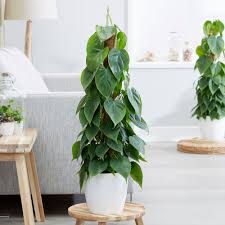
Heartleaf philodendron is an easy-to-grow plant, so it’s also known as the sweetheart indoor plant. This plant is popular for its heart-shaped leaves and trailing vines. The sweetheart indoor plant is perfect for indoor settings as it can filter out gaseous toxins in the air and provide fresh air. To grow quickly, these plants can be placed anywhere, such as balconies, homes, office areas, etc.

Scientific classification
- Kingdom: Plantae
- Clade: Tracheophytes
- Clade: Angiosperms
- Clade: Monocots
- Order: Alismatales
- Family: Araceae
- Subfamily: Aroideae
- Tribe: Philodendreae
- Genus: Philodendron
Prefers
- Light – bright, direct light
- Soil – well draining
- Soil pH – 5.0-6.0
- Temperature – 65°F to 80°F
- Humidity – 40-50%
- Bloom time – Summer
- Flower colour – Greenish-white
- Native area – Tropical America
- Toxicity – Human and pets
Heart- leaf Philodendron Care
Here, I will explain how to care for your plant. If you have brought home a new “Heart Leaves” Philodendron plant,then this article will help you a lot. All the essentials you need to grow your plant. Balanced amounts of water, light, and soil need for the plant. Also some problem and benefits I shared in this article.
Light
Heartleaf philodendrons require medium to bright indirect sunlight. To ensure that no direct sunlight reaches your plant, as this can cause yellow leaves. They would receive dappled light under a tropical canopy rather than direct light. You know it’s receiving enough light if growth and the leaves are between two to four inches long.

Water
NASA approved air-purifying plant can be grown in water. The heartleaf philodendron is the best species for this purpose. Water it every 1-2 weeks, allowing the soil to dry out between watering. You can understand when your plant needs water when it becomes visibly wilted. Use lukewarm water, not cold water, as it can harm a tropical plant by shocking its root system. Never overwater this plant. If the leaves turn yellow, that’s a sign of overwatering.
The split-leaf philodendron is a tropical plant, native to Central America, and commonly grown as an indoor plant. Its natural habitat tells us how to care for split-leaf philodendron plants. This tropical plant has been introduced to several areas. Grow split-leaf philodendron in indirect light as direct sunlight can cause burning on the leaves. They naturally grow in the warm, humid environment of the jungle. Split-leaf philodendron prefers slightly acidic soil with a pH level between 5.0 and 6.0. Read more
Temperature and humidity
This Heart philodendron plant grows well in warm temperatures and a humid environment. The ideal temperature ranges between 70-85° Fahrenheit during the day and 65-75° Fahrenheit at night. If you place the plant near a north or east-facing window, it can receive indirect sunlight. However, if it is placed near a south or west-facing window, it may receive too much direct light, causing the leaves to become slightly crispy, especially at the edges.
This plant prefers a humidity level of around 40%, although it can tolerate dry air better than most tropical perennials. Excessive humidity can lead to problems such as fungal growth on the leaves.
Soil
To create the ideal growing environment for a heartleaf philodendron, it is important to use a high-quality soil mixture that is rich in nutrients and drains well. This mixture should include peat moss, chunky orchid bark, and perlite. You can also add some slow-release fertilizer if it is not already included in the mix. A simple trick is to mix 50% Sphagnum peat moss, 25% perlite, and 25% regular potting soil to achieve the right balance of drainage and moisture retention.
Fertilizer
Heart philodendron prefers diluted fertilizer for fastest growth. This plant should be fertilized in the spring and summer, and every three to four months later. A suitable fertilizer formula would be 20-20-20, representing the ratio of Nitrogen, Phosphorus, and Potassium.

Hundreds of Philodendron species are available, and they have gained popularity in recent years. This beautiful hybrid Philodendron variety is slow-growing and easy to care for as a houseplant. An important point to note is that Philodendron Birkin does not require direct sunlight. It thrives when placed near an east or west-facing window where it can receive bright indirect sunlight. Boosting the humidity in the environment is beneficial for the optimal growth of this plant, especially in dry air conditions. If you notice the leaves dropping, it could be a sign that you are not watering your Philodendron Birkin properly. You can propagate Philodendron Birkin through stem cuttings, preferably during its active growing season in spring or summer. For more information, you can read this article.
How to Propagate Philodendron in Soil
This plant is easy to propagate by stem cutting. Here is an easy method to follow:
- Choose the area where you will cut the stem of the plant. After cutting, make sure the stem has 2 to 3 leaves. Use sharp and sterilized scissors or a knife to cut the stem.
- Allow the cutting to callous over for 12 to 24 hours. After the stem has calloused, place it in water and keep it in a bright, indirect light environment.
- Two to three weeks later, you should notice new roots sprouting from the cutting. Once the roots have grown to at least 1 inch in length, you can transfer the cutting to a well-draining soil for further growth. Remember to provide adequate foliage, liquid fertilizer, humidity, and temperature to encourage the growth of a new Sweetheart plant.
Pruning of Heart leaf Philodendron

If you want the plant to remain bushy, then pruning in winter might not show new growth until spring. Pruning is helpful in creating a bushier plant and controlling its size and shape. To create a more bushy plant, prune the vines to encourage new growth. Prune the philodendron plant when the stem meets the main plant.
heart leaf philodendron pet safe
When this plant turns yellow, it is suffering from a fungal infection known as root rot, specifically caused by Rhizoctonia spp. Overwatering the plant can cause the new leaves to turn brown and become soft. Additionally, these plants are fairly resistant to pests, but they can fall prey to mealybugs, scale, aphids, and spider mites.
Heartleaf philodendrons produce a toxin called calcium oxalate, which is toxic to humans and pets. It is important to be cautious when handling the leaves, and it is recommended to wash hands immediately after touching them. These plants contain insoluble calcium oxalate crystals, which can be harmful and quite painful to dogs if consumed in large quantities.