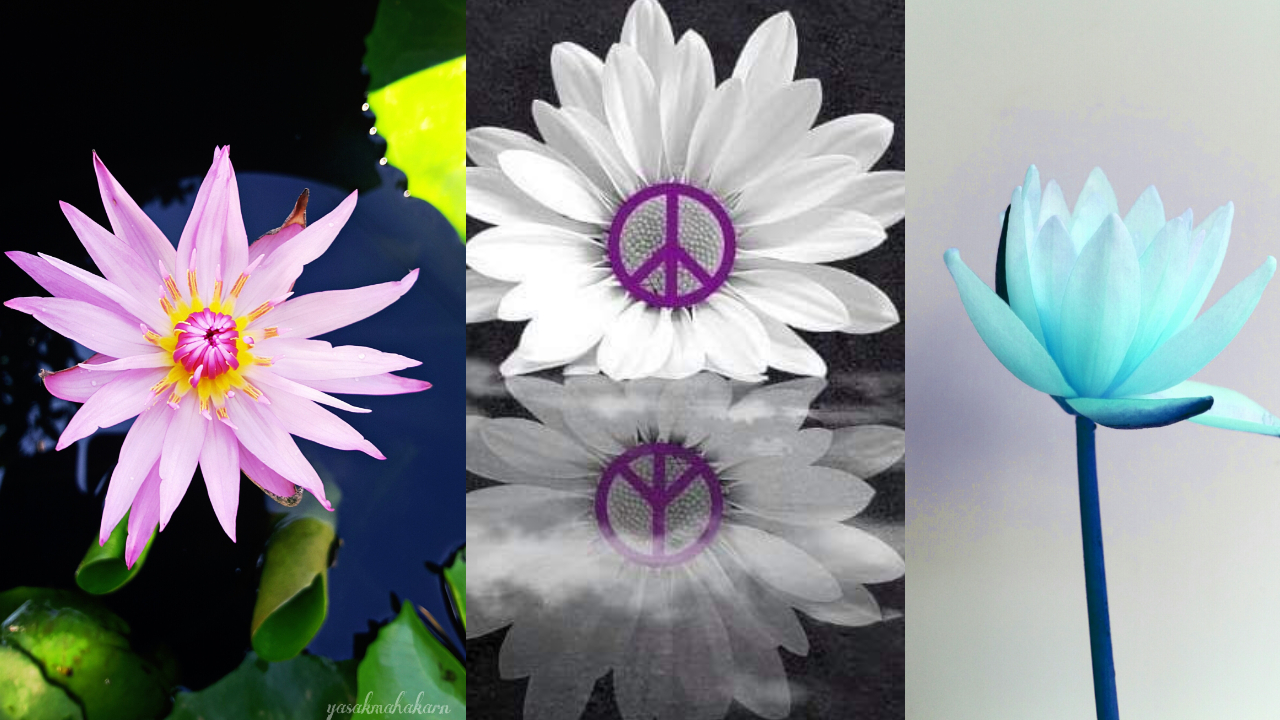
If you have brought a peace lily home but don’t know how to care for it, then this article is for you. I have shared my experience in this article.

Friends, I am Srijita Das, a gardener. I have planted various types of plants inside the house for the past few years. Among those plants, peace lily is my favorite plant. Let’s discuss some methods of caring for this plant today.
Scientific classification of Peace Lily
- Kingdom: Plantae
- Clade: Tracheophyte
- Clade: Angiosperm
- Clade: Monocots
- Order: Alismatales
- Family: Aracae
- Subfamily: Monsteroide
- Tribe: Spathiphylleae
- Genus: Spathiphyllum
Peace Lily Plants Prefers


- Light – Partial
- Water – 0.8 cups of water every 9 days
- Soil – Peat moss
- Soil pH – 5.8 and 6.5
- Temperature – 68 and 85 °F
- Humidity – 50% or higher
- Native area – Colombia and Venezuela.
- Bloom time – Spring
Peace Lily Care
Light
Peace Lilies can live in low to bright, indirect sunlight. They’re the perfect plant to bring life to a dark room or corner. Prolonged exposure to bright direct sunlight may burn and scorch their leaves and dry out their flowers. Peace lilies do very well in low-light situations, even flowering with as little as two to four hours of sunlight per day. But they do best in bright, filtered, indirect light. Avoid direct sunlight, which can burn peace lily leaves.
Water
Peace lilies need consistently moist soil, but they definitely don’t like to sit in standing water. Whenever the top inch of soil is dry, water the plant until the overflow starts to come out of the bottom of the container. Wait until it stops draining, then set the pot back in its saucer. An overwatered Peace Lily will have limp leaves that feel soft and lifeless, like a deflated balloon. The soil will be wet, and you might even see it pulling away from the sides of the pot. An underwatered plant, however, will have droopy leaves that feel dry and crisp to the touch, like autumn leaves.
Soil


Peace lilies prefer a soil that can combine drainage and moisture retention. This blend includes a mixture of pine bark, peat moss, perlite, sand, and lime. Coco peat is extensively used to grow exotic plants such ferns, bromeliads, orchids, anthuriums and such others. The ideal pH should be a little more acidic (5.5 to 6.5), but neutral soils are also tolerated.
Temperature & humidity
Peace lilies prefer warm daytime temperatures between 68 and 85 °F and nighttime temperatures about 10 °F cooler. Your peace lily will survive in most light conditions, but a good amount of indirect light will ensure that your peace lily keeps throwing up those beautiful white-capped flowers. Try to avoid temperatures below 60 °F as cold damage may occur. These plants need very little fertilizer.
The best way to encourage your peace lily to bloom is by remaining consistent with its care and climate. Ensure your home is kept at a consistent temperature between 65 and 80 degrees Fahrenheit and humidity at 50% or higher. You can simulate the humidity of these plants’ native climates by wiping down their leaves with a damp cloth or spritzing them with distilled water daily during the growing season.
Fertilizer
When it comes to fertilizing a peace lily, any good quality, water-soluble houseplant fertilizer is fine. Look for a product with a balanced ratio, such as 20-20-20, diluted to one-half or one-quarter strength. Fertilise monthly in growth season, reduce in fall/winter dormancy. Over-fertilization harms blooms, underfeeding is safer for Calla Lilies.
The most important point about jade plant is that this plant can store a lot of water in its roots and stems. I was surprised to hear this from my father. To keep your jade plant in the running for the longest living, you need to know how to take care of it. Here, I will explain you how to take care of your plant.The jade plant grows best in filtered sun to partial shade, and may sunburn if planted in reflected sun. It is drought-tolerant but requires occasional irrigation and does not like to be over-watered.Your jade plant will need a generous soak about every 14 days, although the frequency in which you have to water your plant will depend on the season. Readmore
peace lily propagation
Peace lilies can’t be propagated via leaf or stem cuttings, but they can easily be propagated by division during any season. While it’s possible for an experienced gardener to propagate these plants via seeds, those started this way will take several years to flower. Some indoor plants that readily root from individual leaves or stems, peace lilies thrive best if multiplied through division, where a mature plant is separated into smaller sections, each with its roots and foliage.


1. Select the mature Peace lily for vigorous growth and thrives in its current environment.
2. Carefully separate the plant into smaller sections , ensuring each has roots and a share of healthy foliage .
Pruning Peace Lily
The best time to prune your peace lily is early spring or summer before it blooms. Consider it a golden window for ensuring your plant’s maximum potential to grow, bloom and flourish.If you’re pruning a dead leaf, you should prune it at the base of the petiole, cutting it off as close to the bottom as possible.They are native to tropical regions and thrive in indirect sunlight and humid conditions. Peace lilies have an average lifespan of 3 to 5 years, but this depends on their environment and care.
Common problem of Peace Lily plant
- The calcium oxalate content makes the peace lily toxic to humans, just like other mammals. The toxicity level is mild, and the reactions can usually be managed at home.
- If they’re exposed to too much direct sunlight or even too little, they will often develop yellow leaves. Overwatering or under-watering can also commonly cause leaves to wilt and turn yellow or brown around the edges.
- Pests like spider mites and mealybugs can also cause drooping in peace lilies. Treat any pests with an appropriate insecticide.
Benefits of Peace Lily Plant


- This plant is believed to have a calming effect on the mind and can bring peace and harmony into the home. It is recommended to keep the peace lily in the northeast direction of the living room. This plant is well-known to bring peace and harmony into your home.
- The peace lily is one of the most common household plants Poison Control is called about. The flowers, leaves, and stems of the peace lily contain very small, insoluble calcium oxalate crystal that can cause immediate mouth and throat irritation if chewed or swallowed.