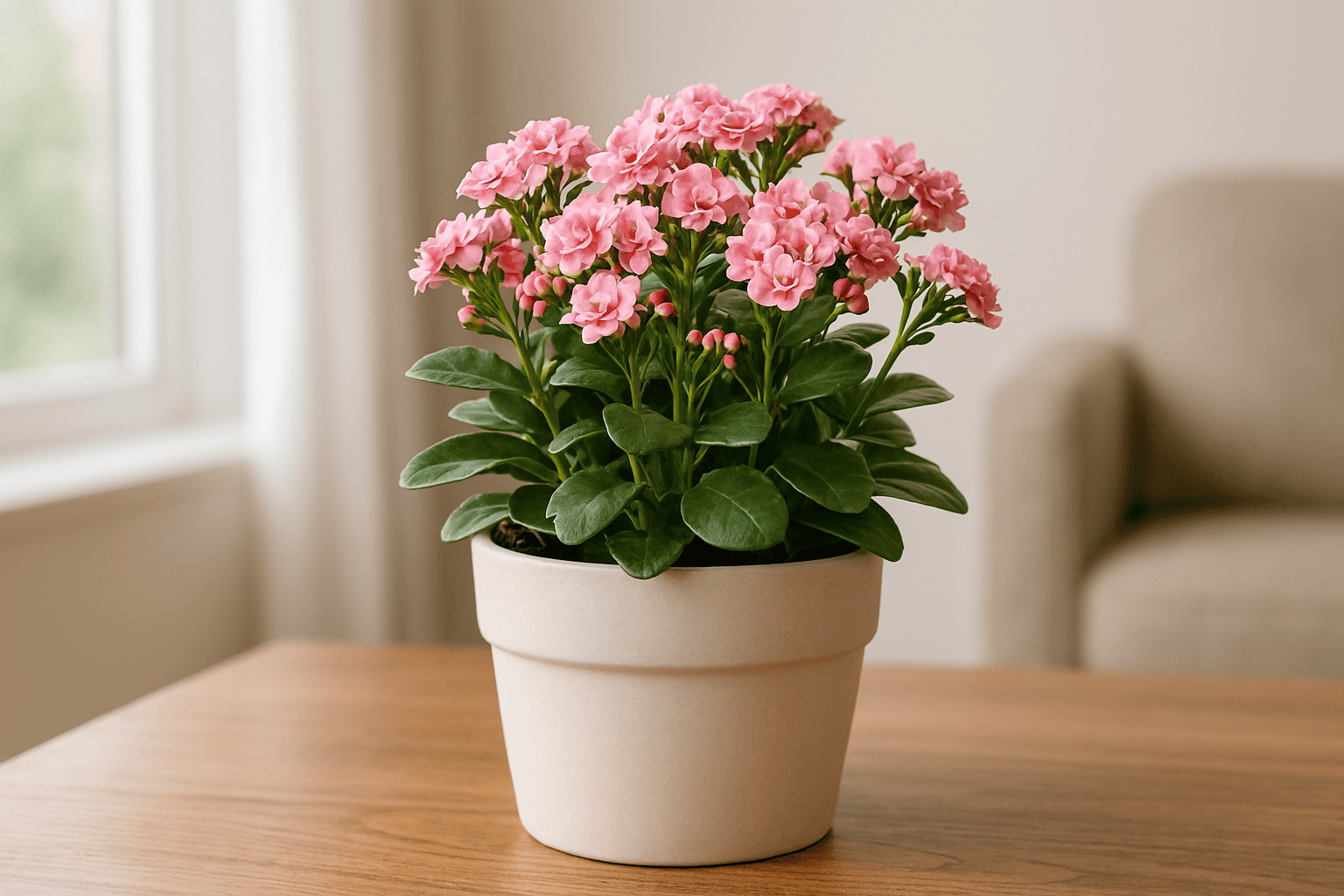
Indoor flowers instantly attractive to them for its foliage. It’s instinct that we seem to have inherited. Many modern cultures consider flowers to be attractive and it is known that scholars have been fascinated with flowers.
- Jasmine
- Lipstick Plant
- Crown of throns
- Pink Anthurium
- Moth Orchid
- Bromeliad
- Cyclamen
- Holiday Cactus
- Christmas Cactus
- Kalanchoe
- African violet
- Peace lily
- Flowering Maple
- Amaryllis
- Clivia
- Rex begonia
- Oxalis
- Brazilian Firework
- Guppy Plant
- Geranium
- Rieger Begonia
- Wex Begonia
22 types of indoor flowering plants that make you feel happy
Here, I will explain some types of indoor flowering plant that make you feel happy.
1. Jasmine is indoor flowering plants

If it is said to enjoy a sweet smell but again the smell should be natural, then we can never avoid jasmine flower. This plant needs six or more hours of strong light per day to thrive indoors. Jasmine will grow well in full sun to partial shaded areas. Indoor jasmine requires more frequent watering—as much as two to three times a week. This plants prefer well-drained, fertile garden soil that is consistently moist.
2. Lipstick Plant is indoor flowering plants

Aeschynanthus is a genus of about 150 species of evergreen subtropical and tropical plants in the family Gesneriaceae. It is a popular, striking, evergreen perennial, often grown as an indoor plant. The lipstick plant thrives best in a well-draining potting medium.
3. Crown of throns is indoor flowering plants

Crown of thorns is flowering plant in the spurge family Euphorbiaceae. This plant can be used medicinally. It native to Madagascar. Crown of thorns is a very fast-growing plant, and it has very sharp thorns on its stem.
4. Pink Anthurium is indoor flowering plants

Expand your tropical plant collection with the beautiful blooms of anthurium, it’s also known as flamingo flowers for their unique tropical shape and bright red , green and white. It requires bright but indirect sunlight to grow and thrive. Direct sunlight can scorch the leaves, while too little light will cause poor growth and a lack of flowers .
5. Moth Orchid is indoor flowering plants

The moth orchid plant is bright and indirect light becomes bigger and more intense direct lights damages this plant. Bright, indirect light from an Eastern or Southern window is ideal. These beautiful flowers do not need much water and prefer their growing medium to have the opportunity to dry out completely between watering.
6. Bromeliad is indoor flowering plants

Bromeliads are monocots, tropical, epiphytes which have a special form of Photosynthesis that uses a biochemical pathway to allow them to use water more efficiently. Bromeliads should receive 12 to 16 hours daily of relatively bright light.Many bromeliads make good houseplants because they thrive under lower light conditions.
7. Cyclamen

Cyclamen Plant is a sweet scented flowering plant. It is one of the most beautiful and best winter bloomers. Cyclamen plant prefers cool temperature and bright, indirect light. This plant glossy foliage is a good winter feature. It is best to keep your plant in cool condition and good air circulation space.
8. Holiday Cactus

Schlumbergera truncata is also known as holiday cactus. It is Holiday cactus is a popular flowering plant that’s often given as a gift during the holidays. It has rounded margins, ribbed ovaries, and purplish-brown anthers. Use a potting mix instead of a cactus mix, as cactus mix doesn’t retain enough moisture.
9. Christmas Cactus

Schlumbergera is a small genus of cacti with six to nine species found in the coastal mountains of south-eastern Brazil. It is an easy, long-living houseplant and it’s also a pet-friendly plant. Too little light can lead to wilting while direct sunlight can burn the leaves.
10. Kalanchoe

Kalanchoe plant is a genus of about 125 species of tropical, succulent plants in the stonecrop family Crassulaceae. It is a popular indoor plant because it’s drought tolerant and easy to grow. This plant prefers bright, indirect sunlight when grown indoors and at least 8 hours of direct sunlight outdoors.
11. African violet

African Violets are one of the most gorgeous indoor plants. This is a compact flower with low growing plants and bloom in several time of the year. It need indirect sunlight, direct can burn the leaves. Choose a north- or east- facing window for best results.
12. Peace lily

One of the most popular indoor plants are Peace lily with easy to grow features. It prefers low to bright, indirect sunlight. They’re the perfect plant to bring life to a dark room or corner.This plant need consistently moist soil, but they definitely don’t like to sit in standing water. Whenever the top inch of soil is dry, water the plant until the overflow starts to come out of the bottom of the container.
13. Flowering Maple

Abutilon plant is also known as ‘Flowering maple’ and it is an old fashionable indoor plant. Its have bell shaped leaves with salmon, red flowers. This plant is not eye catching plant but also beneficial to pollinators. In optimal conditions, this plant receives full of light in the morning but partial shade in afternoon. They receive 6 to 8 hours direct sun with a south facing window is usually ideal.
14. Amaryllis


Amaryllis is the only genus in the subtribe Amaryllidinae. It is a small genus of flowering bulbs, with two species. This plant produce more flowers when they are grown in full sun.
15. Clivia

Clivia plant is easy to care indoor plants with large clusters of blooms in the dry environment. This plant needs bright, indirect light and place it in north facing window. Get water regularly when the plant requires it during the growing season.
16. Rex begonia

Rex begonia is a species of flowering plant in the family Begoniaceae. It is found from Arunachal Pradesh to southeast China.Water weekly allowing the top inch of soil to dry out between waterings.
17. Oxalis

Shamrock plant also known as oxalis or love plant. It is a popular choice for indoor plant enthusiasts because of its beautiful blooms and ease of care. It prefers bright, indirect light. To be careful, don’t expose your plant to too much direct light during the Summer months as this may scorch the leaves.
18. Brazilian Firework

Brazilian Firework is a tropical shrub with purple and pinkish-red flowers and silver-veined leaves. It is best grown on balconies or corridors where it can get filtered sunlight. It produces deep red flower bracts that develop lavender flowers.
19. Guppy Plant

Guppy plant is also known as guppy grass and thrives in low to moderate light conditions.The flowers vaguely resemble clogs or rotund goldfish in shape and colour. This plant is fast-growing aquatic plant that’s native to the Americas.
20. Geranium

Geranium plant is perennial plants that are commonly known as geraniums or cranesbills. Geranium oil is widely used as an ingredient in perfumes and cosmetics. The essential oil is also used in aromatherapy to treat a number of health conditions.
21. Rieger Begonia

Rieger begonia are flowering plant that produce double blooms in a variety of colours including white, pink, yellow and orange. It prefers cooler temperature and keeps the soil loose and breathable. Place in a location with bright, indirect sunlight.
22. Wex Begonia

Wax begonia is shade loving summer bloomers with colourful clusters. It requires good air circulation to grow well indoors. This is a compact, mounded succulent and fibrous rooted plant with fleshy stems and green to bronze leaves. Feed Wax Begonias every 4-6 weeks during the growing season with a balanced, water-soluble fertilizer.