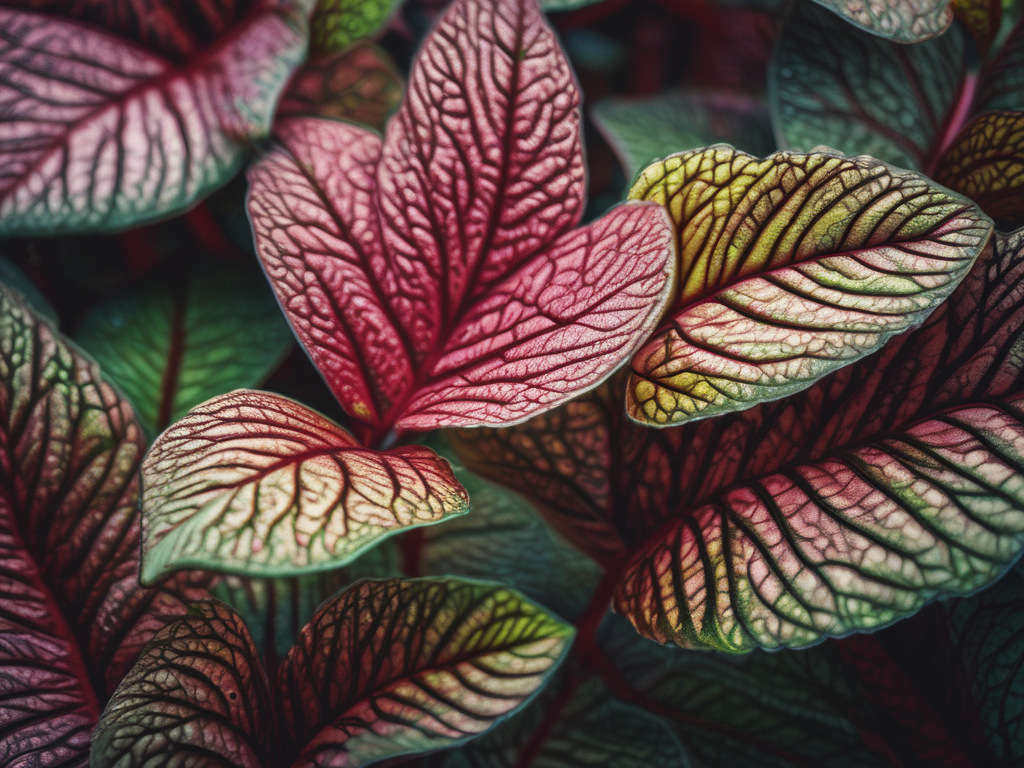
Red Star, Red vein, Pink star, There are many types of nerve plant. Red vein nerve plant need regular watering. In this article I discussed total 18 types of nerve plant.
Nerve Plant Types
- Fittonia Red Star
- Fittonia Red Vein
- Fittonia Pink Star
- Fittonia Red Anne
- Fittonia Fortissimo
- Fittonia verschaffeltii Black Star
- Fittonia White Brocade
- Fittonia White Anne
- Fittonia Titanic
- Fittonia Stripes Forever
- Fittonia Mini White
- Fittonia Mini Superba
- Fittonia Leather Leaf
- Fittonia Juanita
- Fittonia Josan
- Fittonia Frankie
- Fittonia Daisy
- Fittonia albivenis Skeleton
Nerve Plant Types with detailed review
1. Fittonia Red Star

First types of nerve plant is fittonia Red Star, place them to a natural light source like windows facing any direction. This plant loves humidity so place it in bathroom area because the humidity is high there.
2. Fittonia Red Vein

Come to the next point Fittonia Red Vein is grows beautifully as an indoor nerve plant in the proper conditions. These plants thrive in indirect, filtered light and need regular watering. Keep it away from direct light and get water when the soil is dry.
3. Fittonia Pink Star

Fittonia Pink Star plants are spreading but slow-growing, compact evergreen perennials. In tropical conditions, a nerve plant can grow as creeping ground cover in shady areas. Keep in bright, indirect or dappled light. Not enough light may cause leaves to yellow. It prefers well draining soil, during the growing season feed your plant balance fertiliser.
4. Fittonia Red Anne

Another types of nerve plant is fittonia Red Anne, it is best to keep your nerve plant in indirect light and keep it away from a drafty door. This plant cleanse the atmosphere by reducing carbon dioxide concentrations in the atmosphere, increasing humidity, and boosting air quality.
5. Fittonia Fortissimo

Fittonia Fortissimo is one types of beauiful nerve plant.Its leaves are the main attractive feature of this plant. With deep-green leaves and a pattern of veins in bright white, it adds colour and texture to a room. It is low growing compact plant thrive in humid environment. It is an ideal choice for your home because its leaves are highly decorative and have a distinctive pattern.
6. Fittonia verschaffeltii Black Star


Another types of nerve Plant is Fittonia verschaffeltii Black Star, it’s stunning with darker shade of blackish green leaves. Black star is the more attractive addition of your indoor gardening. Fertilization once a month during the growing season.
7. Fittonia White Brocade


The name of the Fittonia plant is reason of White Brocade for its white veins that look like the pattern. This plant prefers bright, indirect light and care that when the soil is dry get them water. A nerve plant’s leaves will scorch if placed in a too-sunny spot, as it is susceptible to leaf burn.
8. Fittonia White Anne


Fittonia White Anne is evergreen perennial plant, it has dark green leaves with veins of white. The ideal temperature between 60 and 70 degrees Fahrenheit. It is best to keep your plant in indirect light and keep it away from drafty door.
9. Fittonia Titanic

Another types of nerve plant is fittonia titanic, this indoor plant prefers well draining moist soil. It has compact green leaves patterned with white veins. This plant has narrow leaves.

for healthy looking skin this plant help you a lot.
10. Fittonia Stripes Forever

This plant is easy to grow and it has dark green with white veins small leaves. Fertilization once a month during the growing season and keep the soil moist. Water throughly when the soil is 50% dry.
11. Fittonia Mini White

Another variety of fittonia green plant is fittonia mini white, it is great plant for beginners. This plant prefers bright indirect light and doesn’t care for direct sun. The ideal temperature is 55-75 degree Fahrenheit. Fittonia plant inspire you with its symbolism of connection, communication, and the beauty of vulnerability.
12. Fittonia Mini Superba

Fittonia mini superba is prefers warm conditions above 55F. Keep away from drafty windows and air conditioners. Water this plant when the soil surface just to dry. It loves high humidity, so keep the air moist so the leaves look their best.
13. Fittonia Leather Leaf

Fittonia leather leaf is native to South America, this indoor plant loves high humidity. The foliage is low growing and trailing with oval shaped leaves. It grows best in low to medium light, though it also thrives in a sunny window if the light is filtered with a sheer curtain. Too much light is the leaves may burn, turning brown and crispy.
14. Fittonia Juanita

Another variety of fittonia green plant is fittonia juanita, its prefer ideal temperature like 60-75 degree fahrenhite and get water when the soil is dry. This plant is loves humid environment so place it where the more humidity in your home. Keep it away from the direct sun, and give it bright, filtered light.
15. Fittonia Josan

The stunning green and red fittonia is also known as fittonia josan, its bold, eye catching colours and easy to care. Placed in a bright and humid environment. This versatile plant is a great addition to any indoor plant collection, adding touch of colour and life to any room.
16. Fittonia Frankie

Fittonia Frankie is a delightful types of nerve plant , it has baby pink leaves with dark brown, scalloped edges. Fittonia prefer temperatures between 60 and 70 degrees Fahrenheit. It’s best to keep your fittonia plant in indirect light and keep it away from a drafty door or window. Water throughly when the soil is 50% dry.
17. Fittonia Daisy

Fittonia Daisy has huge, white, gray, & green striped leaves. This plant has almost sphere-like leaves with deemed white veins and dark green. Get water when the soil is dry, place them next to a natural light source like windows facing any direction.
18. Fittonia albivenis Skeleton

Fittonia albivenis Skeleton is loves water and to be consistently moist, but not soggy. It is evergreen perennial that comes from tropical in South America. This plant is used treatment for headaches, and muscular pain, its leaves were used by the Machiguenga as a hallucinogen before they were introduced to Psychotria viridis as per wikipedia.