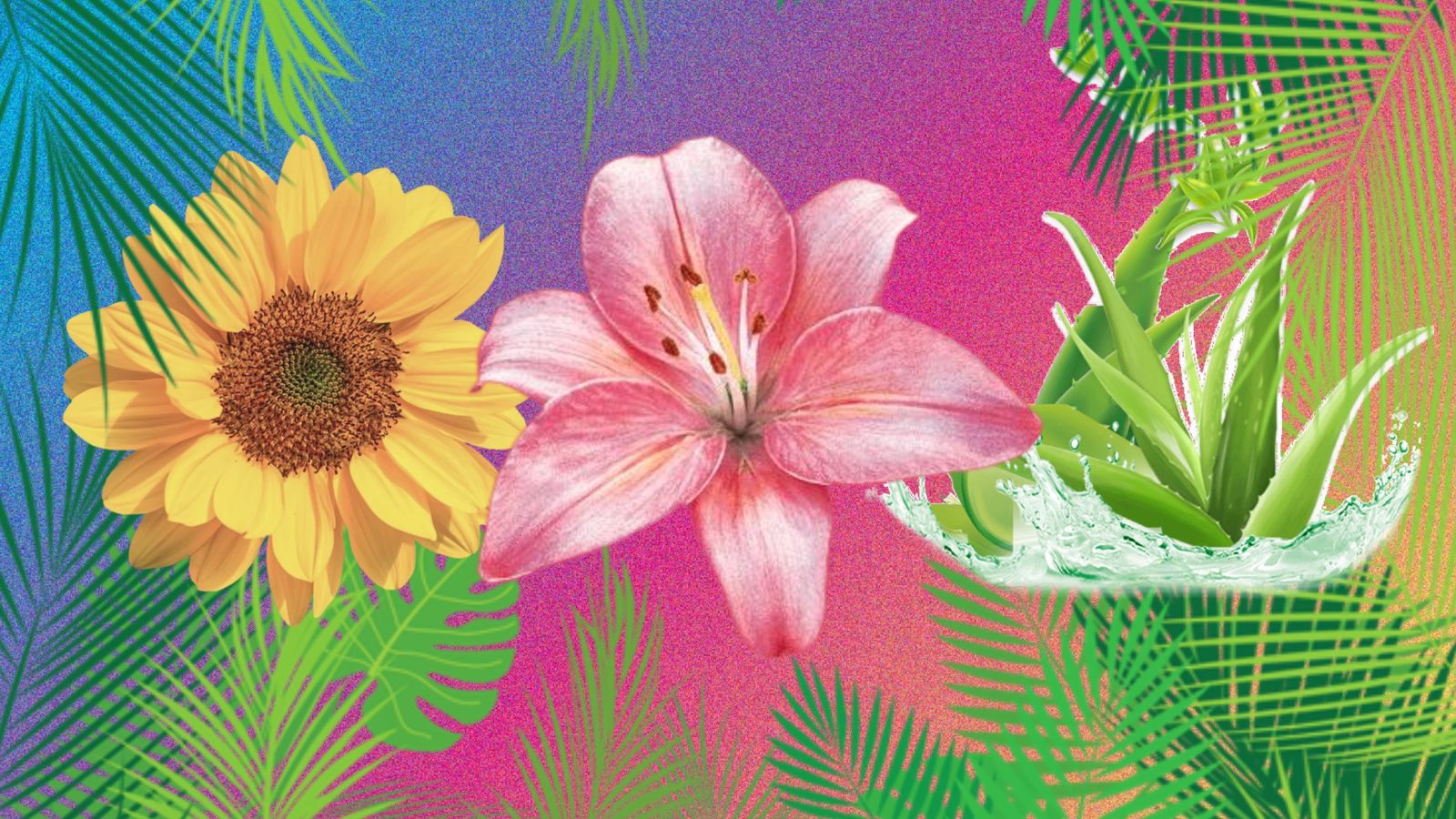
incorporating summer plants into your home can improve the environment. Aloe vera, Chinese evergreen, peace lily, snake plant, pothos,
Summer is a vibrant season that makes you energetic. Nothing is good for long so warm weather is needed in between cool times. Summer plants not only beautify your home but also improve the home environment. In this article, best summer collection indoor plants along with some essentials that will help the plant to grow will help you a lot.

Plants For Summer
- Alovera
- Chinese Evergreen
- Peace lily
- Snake plant
- Pothos
- Zz plant
- Spider plant
- Boston plant
- Rubber plant
- Moth orchid
- String of pearls
- Areca palm
- African violet
- Anthurium
- Money plant
Best indoor plants for summer
If you have these plants in your home, how to care for them is shared below:
1. Alovera best indoor plants for summer

Aloevera, a desert plant, has numerous benefits and specific care needs. It requires 6-8 hours of light per day, well-draining soil, and a pH of 7.0-8.5. Weekly watering and infrequent fertilization are necessary.
Propagation through leaf cuttings or pups is possible. Pruning and vigilance against pests and diseases are crucial. Aloevera’s uses range from skincare to internal health.
2. Chinese evergreen best indoor plants for summer


Aglaonema is also known as Chinese evergreen for its large, glossy, lance shaped to oval leaves and different colours combination such as silver, green , red, white and pink. It prefers low to bright indirect light, peat-based soil, and thrive in temperatures of 68 to 77 °F with 60-70% humidity.
They are toxic to humans and pets, and their care includes proper watering, soil, temperature control, and occasional pruning.
3. Peace lily best indoor plants for summer


One of the most popular indoor plants are Peace lily with easy to grow features. It prefers low to bright, indirect sunlight. They’re the perfect plant to bring life to a dark room or corner.
This plant need consistently moist soil, but they definitely don’t like to sit in standing water. Whenever the top inch of soil is dry, water the plant until the overflow starts to come out of the bottom of the container.
4. Snake plant best indoor plants for summer


One of the most toughest indoor plants, snake plants can tolerate easy to grow indoor condition. It also known as “mother -in- law’s tongue” for its stiff, sword like leaves.
Typically they grow more quickly in brighter light, but strong direct sunlight burns leaves, especially when plants are outdoors.
Your plant only needs to be watered fortnightly allowing it’s soil to completely dry out between watering to prevent overwatering and root rot.
5. Pothos

All kinds of indoor plants are poisonous which are harmful to children, old people and pets. Instead, aim for bright indirect light or filtered sunlight. Water your Pothos every 1-2 weeks, allowing soil to dry out between watering.The best soil for pothos plants should be well-draining and rich in nutrients.
6. Zz plant

ZZ plant is a tropical perennial which is native to Eastern Africa. This plants are also called Zanzibar gems for their spotless, waxy leaves that are so deep green that sometimes. It has become popular world wide in recent years due to its tolerance of a wide range of conditions a highly dependable indoor plant.
Though it can tolerate lower indirect light, the zz thrives in medium to bright indirect light. Your zz plant every 2-3 weeks, allowing the soil to dry out between watering. It can be grown in an orchid compost or peat moss perlite equivalent mix or in sand.
7. Spider plant


The Spider plant is considered one of the most adaptable indoor plants. This plant will bring good luck and prosperity to your home. It can still thrive in low-light conditions and only need to be watered once per week. This plant enjoy damp but not soggy soil, they will typically need more water in the spring and summer than in the autumn and winter.
8. Boston plant

The Boston Fern is very hardy and can be grown outdoors in the hottest parts of the United States. In 1894, this species of fern was discovered during the Borrow Fern shipment from Philadelphia to Boston.
It is considered as a classic indoor plant and easy to care for, as it doesn’t require a lot of sunlight. For its sword shaped leaves, this plant also known as Sword fern.
Cool morning sun is ideal for Boston ferns. Most ferns like an evenly moist soil with regular watering. Allowing the soil to dry out between watering stresses these plants. Its like organically rich, loamy soil with good drainage.
9. Rubber plant

The rubber plant can withstand fifty to seven percent humidity. Nitrogen Phosphorus Potassium is a very good fertilizer for rubber plants. Light is very necessary for the survival of any plant. Its like bright light and a lot of it, but not direct sunlight. Without water, trees and people do not live. Water your Rubber Tree every 1-2 weeks, allowing the soil to dry out between watering.
10. Moth orchid

The moth orchid plant is bright and indirect light becomes bigger and more intense direct lights damages this plant. These plants thrive in strong light, but direct sunlight can burn orchids. Bright, indirect light from an Eastern or Southern window is ideal. These beautiful flowers do not need much water and prefer their growing medium to have the opportunity to dry out completely between watering.
11. String of pearls

The String of Pearls is a unique succulent plant that requires specific care. The String of pearl is a unique succulent plant, its uniqueness makes it is a beautiful indoor plant. It prefers direct and indirect light, well-drained soil, and moderate temperatures with low humidity.
Propagation, pruning, and avoiding overwatering are important for its health. This plant symbolizes luck, prosperity, and air purification, and is known for its medicinal properties.
12. Areca palm

Areca palm is looks like bamboo plant because of its tall, attractive and their fronds are almost same. The palm is commonly sight in outdoor plant at United state which grow in warm environment.
It prefers in bright, indirect light but will tolerate a bit of shade. This plant requires just enough water to keep the soil moist, but not so much water that it’s drowning. This may take a bit of trial and error.
13. African violet

African Violets are one of the most gorgeous indoor plants. This is a compact flower with low growing plants and bloom in several time of the year. This plant need indirect sunlight, direct can burn the leaves.
Choose a north- or east- facing window for best results. African Violets need just enough water to keep the soil moist, but never soggy. Too much water will leave your African Violets susceptible to such deadly pathogens as Pythium, Root Rot and Crown Rot.
14. Anthurium

Expand your tropical plant collection with the beautiful blooms of anthurium, it’s also known as flamingo flowers for their unique tropical shape and bright red , green and white. It requires bright but indirect sunlight to grow and thrive. Direct sunlight can scorch the leaves, while too little light will cause poor growth and a lack of flowers .
It will do best when the soil has chance to dry out in between watering. Too much or too frequent watering can lead to root rot, which could severely affect the long term health of your plant.
15. Money plant

Different plants are believed to have their own benefits but money plants are one of the most well known indoor plants known to bring good luck, wealth are prosperity. Medium to bright indirect light with southern exposure. Never put this one indirect sunlight or the leaves will scorch.
After applying the fertilizer you can put the money plant in the water. Don not forget to check the lower end if it has leaves, remove them. This plants are drought tolerant but they prefer constant moisture.