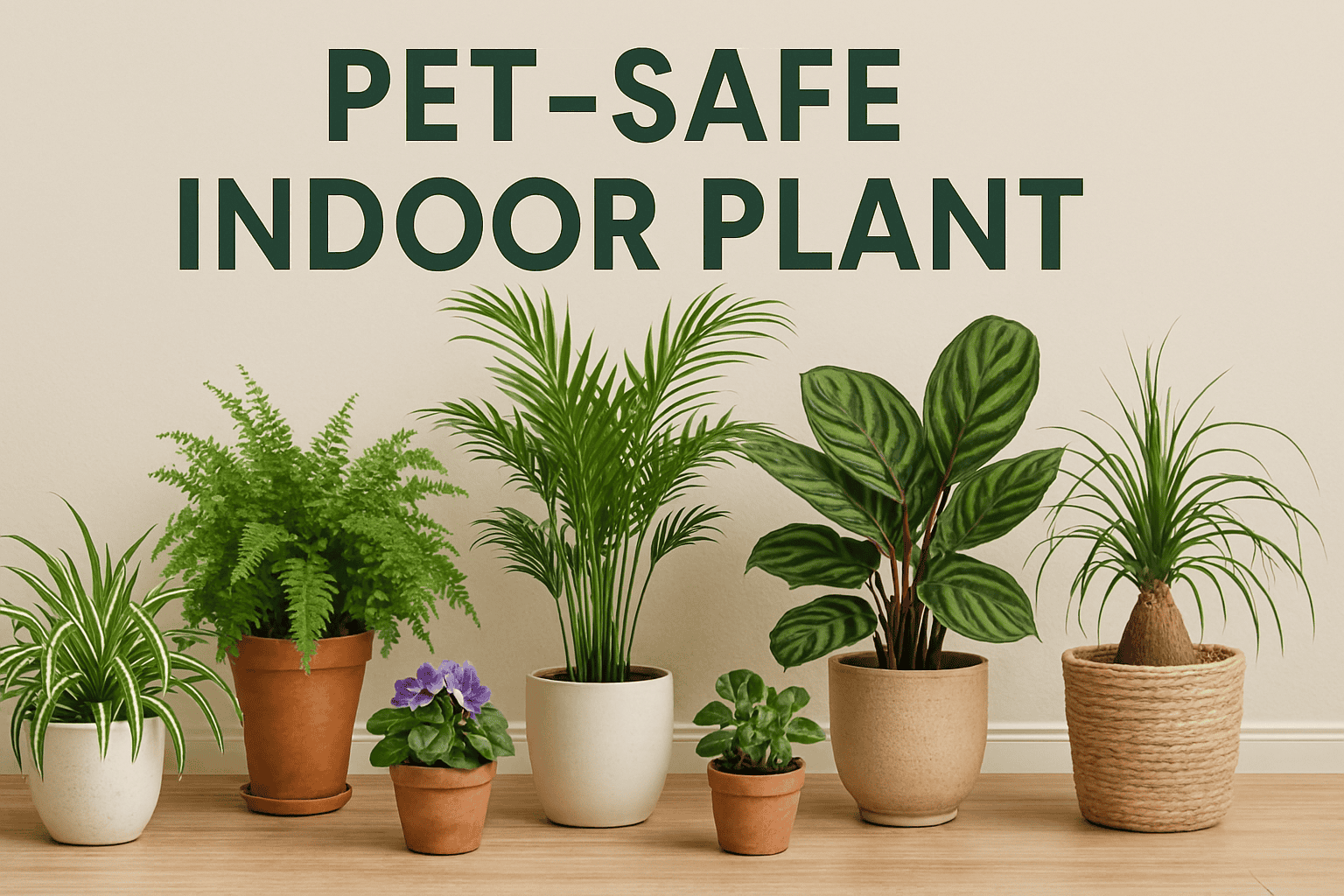
If you have pets in your home, you should make sure that the indoor plants you bring into your home are pet-friendly. This article discusses some of the plants like this, I hope it will help you.
- Hoya Plant
- Money plant
- Chinese Money plant
- Spider plant
- Parlour palm
- Ponytail palm
- Bird’s nest fern
- Calathea plant
- Boston fern
- Watermelon Peperomia
- Polka dot Plant
- Staghorn Fern
- Orchid
- Bromeliad
- String of hearts
- Cast iron plant
- Jasmine plant
- African violet
- Echeveria
- Gloxinia
- Areca Palm
- Haworthia
- Air plant
23 variety of Pet safely indoor plant
1. Hoya Plant

- Plant size : 10-12 feet
- Plant type : Tropical
One of the easiest indoor plant is Hoya plant for its slow growing and low maintenance features. This plant is known as wax plants due to their thick and shiny foliage. It produce clusters of sweet smelling, star-shaped flowers.Most of the Hoya plant prefers medium to bright, indirect light upto 6 hours daily. Place it in a south or east facing window that receives indirect light.
2. Money plant

- Plant size : 6 to 10 feet
- Plant type : Tropical
Different plants are believed to have their own benefits but money plants are one of the most well known indoor plants known to bring good luck, wealth are prosperity. Medium to bright indirect light with southern exposure. After applying the fertilizer you can put the money plant in the water. This plants are drought tolerant but they prefer constant moisture.
3. Chinese Money plant

- Plant size : 8 to 12 inches
- Plant type : Perennial
Pilea peperomioides, also known as the Chinese Money plant, is popular for its coin-shaped foliage and easy care.Pilea prefers bright to medium indirect light. It thrive in bright indirect light to dappled sun. It can tolerate low light, but it may become leggy and lose its vibrant color.Most commonly known as the Chinese money plant, pilea is one of Martha’s favourites to grow. Your pilea enjoys weekly watering sessions, but ensure you allow its soil to completely dry out between watering to prevent overwatering and root rot.
4. Spider plant

- Plant size : 12-15 inches tall and 18-24 inches wide
- Plant type : Perennial
Spider plant will bring good luck and prosperity to your home. It can still thrive in low-light conditionsand only need to be watered once per week. Grow these easy plants in a bright spot out of direct sun as this can scorch their leaves. Spider Plants enjoy damp but not soggy soil, they will typically need more water in the spring and summer than in the autumn and winter.
5. Parlour palm

- Plant size : 6 feet tall
- Plant type : Shurb
Parlour palm is a species of small palm tree native to the rainforests in Southern Mexico and Guatemala. The parlor palm is one of the most extensively sold houseplant palms in the world. It can grow best in tropical or indoor conditions with bright, indirect sunlight, well-drained acidic to neutral soil.
6. Ponytail palm

- Plant size : 4-6 feet tall
- Plant type : Succulent
Ponytail palm is a species of flowering plant in the family Asparagaceae. The species was native to numerous states of eastern Mexico but is now confined to the state of Veracruz. It need bright light, so place your plants in the sunniest room of the home, near the window but not directly in the sun. Your plant gets more than once every two weeks during the growing season. Allow the top 2 to 3 inches of soil to dry out between watering and then give the plant a good soak.
7. Bird’s nest fern

- Plant size : 3-5 feet tall and 2-3 feet wide
- Plant type : Tropical
The Bird’s nest fern is native to the tropical regions such as Asia, Australia, and East Africa. The plant is known for its light green, crinkled fronds that have a waxy cuticle. This plant thrives in moist soil so water when the top inch of soil is dry but they dislike being waterlogged.
8. Calathea plant

- Plant size : 2 to 3 feet tall
- Plant type : Perennial
Calathaea ornata is one such plant that is brought into the home to enhance the home environment.Get water when the soil is too dry but too much water it can cause the roots to rot. It prefers water 1-2 times in a week correspondingly it should also notice whether the soil is dry or not.
9. Boston fern

- Plant size: 2-3 feet
- Plant type : Tropical
The Boston Fern is very hardy and can be grown outdoors in the hottest parts of the United States. In 1894, this species of fern was discovered during the Borrow Fern shipment from Philadelphia to Boston. It is considered as a classic indoor plant and easy to care for, as it doesn’t require a lot of sunlight. For its sword shaped leaves, this plant also known as Sword fern.
10. Watermelon Peperomia

- Plant size : 6–12 in. tall, 6–12 in. wide
- Plant type : Piperaceae family
Peperomia is one of the two large genera of the family Piperaceae. This plant is occurring in all tropical and subtropical regions of the world. Most varieties of Peperomia plants prefer medium to bright indirect light, but can tolerate low, indirect light. It can survive in low light, or in artificial light, areas with infrequent watering.
11. Polka dot Plant

- Plant size : 1 to 2 feet tall
- Plant type : Perennial
Polka dot is a delicate foliage tropical plant. They require bright, filtered light and compost in a warm and humid environment. It can easily grow in containers as indoor plants.
12. Staghorn Fern

- Plant size : 2 to 3 feet in width
- Plant type : Epiphytic
The staghorn fern is a unique and captivating epiphytic plant. It grow best in warm and humid conditions. It thrives best in temperatures between 55-85°F. They are non-toxic to both cats and dogs, and they are easy to grow if you provide the right living conditions.
13. Orchid

- Plant size: 1 to 3 feet tall and 6 to 12 inches wide
- Plant type: Perennial
The moth orchid plant is bright and indirect light becomes bigger and more intense direct lights damages this plant. Bright, indirect light from an Eastern or Southern window is ideal. These beautiful flowers do not need much water and prefer their growing medium to have the opportunity to dry out completely between watering.
14. Bromeliad

- Plant size : 10-13 feet tall
- Plant type : Monocotyledon
Bromeliads are monocots, tropical, epiphytes which have a special form of Photosynthesis that uses a biochemical pathway to allow them to use water more efficiently. Bromeliads should receive 12 to 16 hours daily of relatively bright light.Many bromeliads make good houseplants because they thrive under lower light conditions.
15. String of hearts

- Plant size : 1-2 inch tall, 1.5 inch wide
- Plant type : Succulent
Ceropegia is a genus of plants within the family Apocynaceae. Grow string of hearts in bright indirect light and water regularly in spring and summer, allowing the soil to completely dry out between watering. The String of Hearts can be particularly sought after and therefore priced higher.
16. Cast iron plant

- Plant size : 1 to 2 feet tall
- Plant type : Perennial
Cast-iron-plant is also known in Japanese as haran is a species of flowering plant in the family Asparagaceae, native to Japan and Taiwan. It thrives in low light, so give them a dim corner.They will grow medium to bright indirect light. Properly get water the Cast iron plant is to let the soil dry out completely between watering.
17. Jasmine plant

- Plant size : 2 to 15 feet in height and width
- Plant type : Tropical
If it is said to enjoy a sweet smell but again the smell should be natural, then we can never avoid jasmine flower. This plant needs six or more hours of strong light per day to thrive indoors. Jasmine will grow well in full sun to partial shaded areas.
18. African violet

- Plant size : Height of 6 to 15 cm and a Width of 6 to 40 cm
- Plant type : Herbaceous Perennial
African Violets are one of the most gorgeous indoor plants. This is a compact flower with low growing plants and bloom in several time of the year. It need indirect sunlight, direct can burn the leaves. Choose a north- or east- facing window for best results.
19. Echeveria

- Plant size : 1 to 4 inches tall and 2 to 12 inches in diameter
- Plant type : Succulent
If you want easy to grow succulents plant then this article for you. The Echeveria plant is popular for its low maintenance needs. This succulent plant prefers lot of bright light in a few hours of direct morning Sun. You place your echeveria in a window where it will receive a minimum of six hours of sunlight per day. Echeveria plant stores water and moisture in their thick leaves and stems. Watering is the most critical things of proper plant care.
20. Gloxinia

- Plant size : 6 to 12 inches tall
- Plant type : Perennial
Gloxinia is a stunning flowering plant known for its vibrant red and white blooms. It is a vibrant and popular indoor plant celebrated for its lush foliage and stunning, bell-shaped flowers.
21. Areca Palm

- Plant size : 6-7 ft. tall, 3-4 ft. wide
- Plant type: Perennial
Areca palm is looks like bamboo plant because of its tall, attractive and their fronds are almost same. It prefers in bright, indirect light but will tolerate a bit of shade. South or west facing windows are great as long as you ensure that the plant remains out of direct sunlight for the majority of the day. It requires just enough water to keep the soil moist, but not so much water that it’s drowning. This may take a bit of trial and error.
22. Haworthia

- Plant size : 4-8 inches in height
- Plant type : Succulent
Haworthia, or Zebra Cactus, has rosettes of thick green leaves with white stripes. These plants like bright, indirect light from south or west windows. They can handle some direct light, but too much can burn their leaves.
23. Air plant

- Plant size : Two inches to Seven feet
- Plant type : Succulent
Tillandsia air plant have narrow, strap shaped leaves that grow in a rosette pattern. It should be placed in where they will receive bright, indirect light. Avoiding prolonged sun exposure which can easily burn the leaves. This plant prefers regular watering, these plant grow without soil.