Introduction
The Ponytail palm requires bright, indirect light, well-draining soil, and moderate humidity. Careful watering and balanced fertilization are essential. Propagation can be done through pup division and stem cuttings. It is valued for its Feng Shui significance and air-purifying qualities.
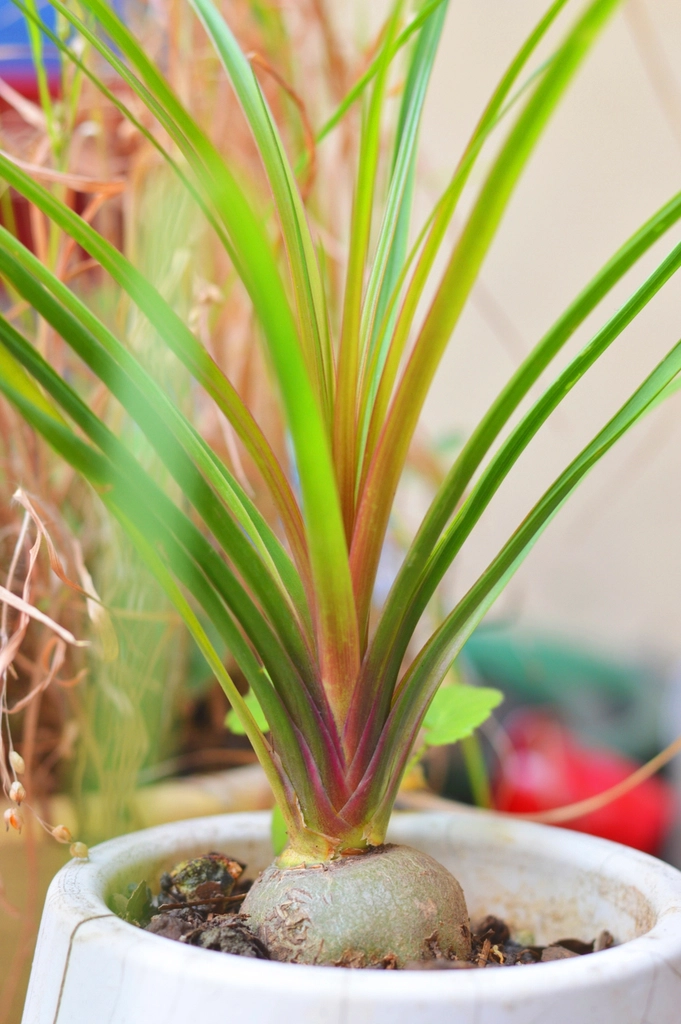
Ponytail palm is a species of flowering plant in the family Asparagaceae. The species was native to numerous states of eastern Mexico but is now confined to the state of Veracruz. The ponytail palm is unique palm plant, that can grow very tall but stay proper size as an indoor plant. It has bare, bulbous stem with narrow leaves at the top that spill over like a ponytail. This plant is easy to care for many people as an indoor plant. Here, we are going to cover all elements of Ponytail palm care.
Page Content
Scientific Classification of ponytail palm
- Kingdom: Plantae
- Clade: Tracheophytes
- Clade: Angiosperms
- Clade: Monocots
- Order: Asparagales
- Family: Asparagaceae
- Subfamily: Nolinoideae
- Genus: Beaucarnea
- Species: B. recurvata


ponytail palm Prefers
- Light – Bright, indirect light
- Soil – Potting mix soil
- Soil pH – 6.5 to 7.5
- Temperature – 65°F- 85°F
- Humidity – 50% to 60%
- Bloom time – May to September
- Flower colour – Pink or Ivory
- Native area – Southeastern Mexico, Belize and Guatemala
- Toxicity – Human and pets
ponytail palm Care
This article will help you with all the essentials you need to grow your plant. Adequate amounts of water, light, and soil should be obtained for the plant to grow. The problems and benefits of the plant have also been shared in this article.
Light
Ponytail palms need bright light, so place your plants in the sunniest room of the home, near the window but not directly in the sun. Leaves can get scorched, showing up as bleached spots or dark patches. It’s like a sunburn, but for your plant. Grow ponytail palm in bright light for best growth, but it tolerates medium- and low-light spots, as well. This desert plant is adapted to bright light, so place it in a window where it will receive as much light as possible.
Water
Your plant gets more than once every two weeks during the growing season. Allow the top 2 to 3 inches of soil to dry out between watering and then give the plant a good soak. This plant is susceptible to root rot, so it’s very important that you do not water the plant if you detect any moisture in the soil. A light watering every two weeks is adequate in dry locations or during droughts. Reduce watering to once a month in the winter.
Soil

%3Astrip_icc()%2Fponytail-palm-plant-95d1052f-5225efca51f94e66b0d1d66bbbe7a997.jpg&tbnid=9VJ0FUtUVuKd8M&vet=1&imgrefurl=https%3A%2F%2Fwww.bhg.com%2Fgardening%2Fplant-dictionary%2Fhouseplant%2Fponytail-palm%2F&docid=Zofb7wxsEJWgkM&w=1280&h=1693&itg=1&source=sh%2Fx%2Fim%2Fm4%2F2&kgs=3cae1cad9706c382&shem=abme%2Cssic%2Ctrie#imgrc=nnA3CGhFbautlM&imgdii=9VJ0FUtUVuKd8M)
Ponytail palms area actually succulents, rather than palms. They can live for years in a pot and make excellent indoor plants. Use a fast-draining cacti potting mix for ponytails. Alternatively, mix 1 part standard potting soil with 1 part sand and 1 part perlite to create your desert soil mix. This will promote faster growth and ensure that your plant remains healthy and vibrant. This plant native to semi desert areas of Central America so when planted it does best in sandy but organically rich soil.
Temperature & humidity
This plant prefers normal temperatures between 65°F and 85°F hits the sweet spot for this plant. These plants are relatively tolerant of a wide range of temperatures. They can survive in temperatures as low as 40°F, but it is best to avoid exposing them to temperatures below 50°F.
These tropical plants need a level of humidity between moderate and high. Keep the humidity level between 50% and 60%. Spring is the appropriate growing season to plant your ponytail palm, but this plant can be planted at any time. It is very slow growing species and may take five years to grow. If you receive any form of regular rain, a ponytail palm planted in the garden hardly ever needs to be watered.
Fertilizer
Fertilise your plant during the growing season with a balance. This fertiliser will help your plant to stay healthy, grow properly and recover from any damage. Over-fertilizing can harm adjust schedule as needed. Use Phosphorus-rich fertilizers (like 10-30-20) promote blooming in Ponytail Palms. Feed weekly liquid fertiliser for the growing season, but reduce feeding during the winter.
ponytail palm propagation
There are three main way to propagate your pony tail plants like pup division, stem cuttings and germinating seeds. More practical way to propagate them is to wait for a plant to produce a “pup,” which you can eventually separate from the parent plant. Each method will give you a beautiful new Ponytail Palm with the right instructions and care.
Moisten the medium and sow seed on the surface of the soil, pressing it in lightly. They prefer to be in a bright spot where they can receive at least 6 hours of indirect sunlight per day. This will promote faster growth and ensure that your plant remains healthy and vibrant.


ponytail palm Pruning
Pruning is important part for your plant makes bushy. It only works on the very young plants and you should make slightly curved cuts into the main trunk to force growth. Keep the plant in an arid region, without much humidity, to prevent the cut from rotting. If you want to stimulate your plant to grow multiple trunks, you can cut off the growing tip and allow the plant to re-sprout.
The action would expose the stem to mold and mildew and it would likely rot before it could ever start producing any more leaves or offsets. A few new sprouts appeared near the top of the plant, just as most plants would do when the top bud or portion of a stem is cut back.
Common problem of ponytail palm
- Overwatering is the tips of the leaves will turn yellow. If this happens, withhold water until the soil is dry and reduce the volume of water you give the plant.
- Too much direct light can cause Sunburn, while pests like mealybugs and spider mites suck the life out of your palm.
- You could be underwatering or overfertilizing your palm plant Curling could even be caused because the humidity is too low, and it is placed under an air vent.
Benefits of ponytail palm


1. Ponytail palm is considered quite auspicious in Feng Shui due to its rounded. It is known to introduce a gentle, positive energy into any space.
2. This plant’s long leaves are great at removing carbon dioxide and carbon monoxide and releasing oxygen. They also improve air quality by removing harmful toxins like benzene and xylene.
3. Its represent free and strong-willed spirits. Their perseverance and resourcefulness allow them to thrive as one of the most unique plants that exist.