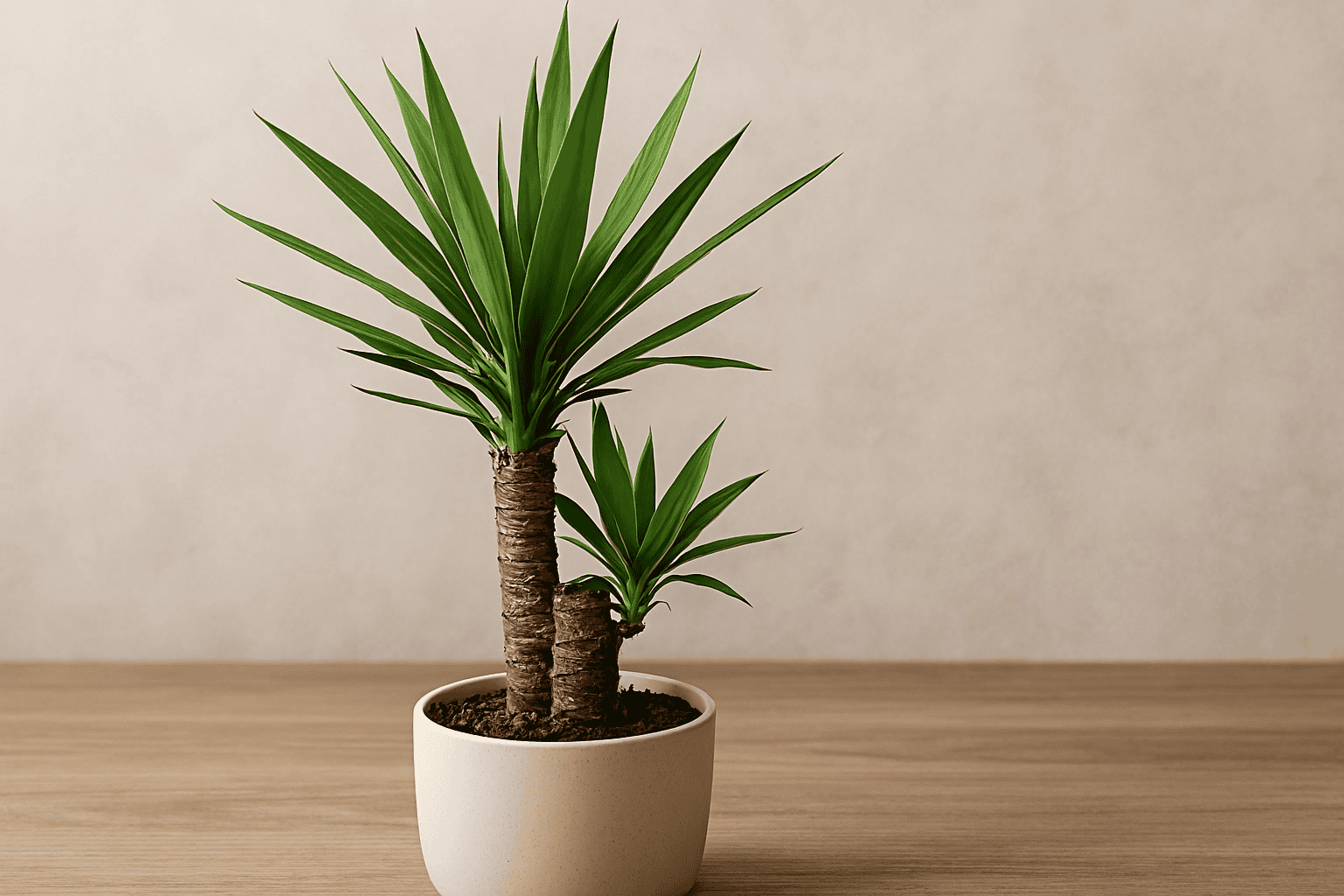
Dracaena fragrans is an evergreen plant with frequently grow as an indoor plant. It has long, narrow leaves and easy to care with relatively low light and water needs. Corn plant is known for their fragrant flowers and beautiful foliage.
Scientific classification
- Kingdom: Plantae
- Clade: Tracheophyte
- Clade: Angiosperms
- Clade: Monocots
- Order: Asparagales
- Family: Asparagaceae
- Subfamily: Nolinoideae
- Genus: Dracaena
- Species: D. fragrans

Prefers
- Light – Bright, indirect light
- Soil – Well draining
- Soil pH – 5.8 and 6.2
- Temperature – 65°F and 75°F
- Humidity – 40–50%
- Flower colour – White flowers
- Blooming time – Late fall and late spring
- Native area – Tropical Africa
- Toxicity – Human and pets
Corn plant care with some tips
Adequate amounts of water, light, soil, temperature and fertiliser should be obtained for the plant to grow. The problems and benefits of the plant have also been shared in this article. This article will help you with all the essentials you need to grow your plant.
If you want to know Dragon plant care.
Light
The ideal location for your plant is near a window with filtered light. It thrives in medium to bright indirect light. To be care, exposure to direct sun can burn the plant’s leaves and cause them to wilt. It can tolerate low light level though leaves may lose some of their attractive variegation if light levels are too low.
Water

This plant prefer moist but not soggy soil during the growing season. Check your corn plant once a week and only water when the soil is completely dry. Regularly check the soil moisture and adjust your watering schedule to ensure the soil remains evenly moist but not waterlogged. Dracaena fragrans can develop root rot if they receive too much water so always check soil moisture before watering.
Soil
Corn plant is well draining potting mix with a pH of 6.0-6.8. A loose, loamy potting soil is the ideal option for growing corn plant. A mix of regular potting soil, peat moss, and perlite or coarse sand works well. Choose a mixture that contains vermiculite ensure the pot has adequate drainage holes.
Temperature & humidity
Corn plant does best in temperatures between 59 degree Fahrenheit to 75 degree Fahrenheit.Optimal daytime temperatures for corn typically range between 77 degrees F and 91 degrees Fahrenheit.
It prefers humidity levels between 40-50%. If the humidity is too low, the leaves may dry out. Use a humidifier or place the pot on a tray of water and pebbles.
Fertiliser
Apply fertilisers when the plant starts flowering. It may cause plants to produce excessive foliage at the expense of blooms. It prefer organically rich soil and use a balance liquid fertiliser every month throughout the growing season.
Propagation of Corn plant care

The best way to propagate your plant is stem cutting. Use sterilised knife to cut the plant below the leaf line. Propagation is the process when you want to grow up another plant. The best time to take your plant cutting for propagation is growing season when the plant actively grow healthy.
Pruning of Corn plant care
Pruning is the essential part of its care that keeps your plant healthy and encourage growth.Trimming your plant for new growth to produce more new branches. Make sure to trim just above a set of leaves and regular pruning will also increase the chances of the plant producing its stunning, fragrant flowers. If the plants grow too tall, cut the tops of damage part. You can use any part of the cane that is removed to propagate new corn plant.
Types of Corn plant
- Dracaena draco: Dracaena draco is a subtropical plant in the genus Dracaena, native to the Canary Islands, Cape Verde, Madeira, western Morocco.It prefers bright, indirect sunlight.
- Dracaena reflexa: Dracaena reflexa is a tree native to Mozambique, Madagascar, Mauritius, and other nearby islands of the Indian Ocean. It is widely grown as an ornamental plant.
- Dracaena surculosa: Dracaena surculosa is called the gold dust dracaena and spotted dracaena. It is a species of flowering plant in the family Asparagaceae, native to west and west-central tropical Africa. All parts of Dracaena surculosa are poisonous to humans and pets and can cause an allergic reaction if ingested.
- Dracaena marginata: Dracaena marginata is a popular indoor plant with long, slender green leaves edged with red. It prefers bright, indirect light. If given too much sun, leaves are at risk of scorch. It’s a good idea to grow them in a bathroom or kitchen for humidity.
Repotting of Corn plant care
Corn plants are slow to grow so they do not need frequent repotting. Repot your plant every year or two into a larger container. When you want to repot the plant then remove the loose soil around it. Repotting is best done in the spring or summer when Corn Plants are in an active growth stage. Choose a porous clay pot with drainage holes to help excess water drain. Never repot the plant while it is actively blooming.
Common problem of Corn plant care

- The yellow leaves that indicate your plant is being over watering. If the this plant receives too much water, its leaves look droopy and yellow. Water is added to the soil when the plant is already waterlogged. The roots will rot and can’t survive for long in saturated soil.
- Another common problem is pest attacks like spider mites, mealybugs are pesticides. It is important when applying the pesticides, to carefully read the instructions on the pesticide packets and only apply the infected area. This plant gets too much pesticide by mistake then the plant will be damaged and turned into yellow colour.
Benefits of Corn plant care
- This plant is easy-care with aesthetic charm, perfect for any interior design. Enhances well-being and energy, offering stress relief and Feng Shui benefits. Its fruit is high in vitamin C and other antioxidants, which are good for your immune system.
- To place the plant on a dish filled with pebbles and water or use a humidifier.The easiest way to increase air humidity is to spray plants with a fine mist of water. If the plant develops brown tips on its leaves, that’s usually a sign the water you’re using has too much salt or fluoride, which can cause discoloration.
Corn plant Faq
1. What’s the difference between corn plant and sweet corn?
Ans. The corn plant is unrelated to sweet corn, the stalky vegetable that is grown for food. They are similar in name only.
2. How fast does corn plant grow?
Ans. The corn plant is a slow growing plant. Its conditions are usually tough and it may slow down its growth rate when the conditions are not perfect.
3. Are corn plants easy to care for?
Ans. Corn plants are easy to care for once their climate. Maintain the proper growing conditions and stay your plant healthy.