Tag: houseplants
-
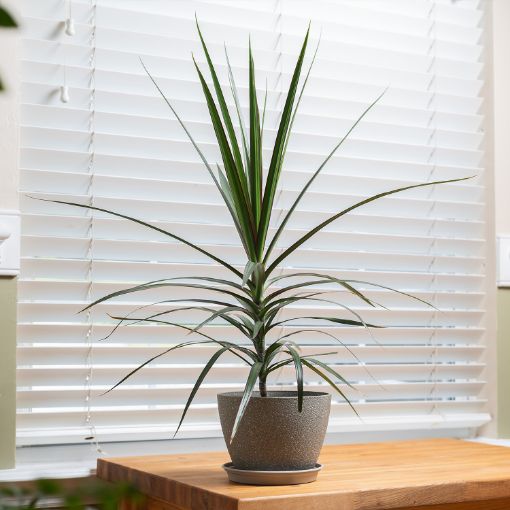
How to grow and care Dragon (Dracaena)Plant – myindoorplants
The Dragon tree, native to Portugal, is a spiky, drought-tolerant plant. It prefers indirect sunlight, loamy soil, and temperatures of 65-80°F. It requires minimal watering and should be kept away from pets. The plant’s care involves fertilizing, pruning, and propagating. It is known for reducing indoor pollution and is considered auspicious in Feng Shui. Dragon…
Written by
·
-

15 Types of Bromeliad – myindoorplants
In this article, I share some types of Bromeliaceae which is based on my experience. Bromeliad Types 15 Types of Bromeliad Dyckia Bromeliad Dyckia is a genus of plants in the family Bromeliaceae, subfamily Pitcairnioideae. This plant prefers well-draining soil. When grown in containers, Dyckias eventually require division.A very robust species with broad, succulent leaves that…
Written by
·
-

How to grow and care Bromeliad – myindoorplants
Bromeliads are monocots, tropical, epiphytes which have a special form of Photosynthesis that uses a biochemical pathway to allow them to use water more efficiently. Bromeliads make great indoor plants, they live for two to five years. They’re one of those plants that blooms once when it hits maturity, and then slowly dies off as…
Written by
·
-

Benefits of Areca Palm – myindoorplants
The Areca Palm is a versatile plant with numerous benefits. It serves as an effective air purifier, improving indoor air quality, reducing stress, and enhancing immunity. The plant is low maintenance, easily propagated, and aesthetically pleasing, making it a popular choice for both health and home decor. It is also necessary to know about the…
Written by
·
-

17 Types of palm plant – myindoorplants
The post introduces 17 types of palm, including Majesty Palm, Parlor Palm, Sago Palm, and others. It provides insights on their origins, care requirements, and uses. Each palm has unique traits and care needs, suitable for indoor and outdoor gardening. The post is a valuable resource for plant enthusiasts. If you like Areca palm then…
Written by
·
-

How to Grow and care Areca Palm – myindoorplants
The Areca palm, native to Madagascar, resembles a bamboo plant. It requires bright, indirect light, well-draining soil, and 65-75°F temperatures. It needs minimal watering and benefits from fertilizer. Propagation can be done through root division or offshoots. Prune dead leaves, and watch for sun damage and pests. It’s a beneficial indoor plant. Areca palm is…
Written by
·
-

16 Types of Chinese money plant ( Pilea plant )
The trailing habit makes variety of Pilea ideal for hanging baskets. This article shares different types including Creeping Charlie, Silver Tree Pilea, Pilea Greysy, Aluminium Plant, Moon Valley Plant, Baby Tears, Clearweed, Norfolk Friendship Plant, Jamaican Pilea, Friendship Plant, Artillery Plant, Silver Cloud, Black Leaved Panamiga, Pilea Ellen, and Pilea Dark mystery. Each type has…
Written by
·
-
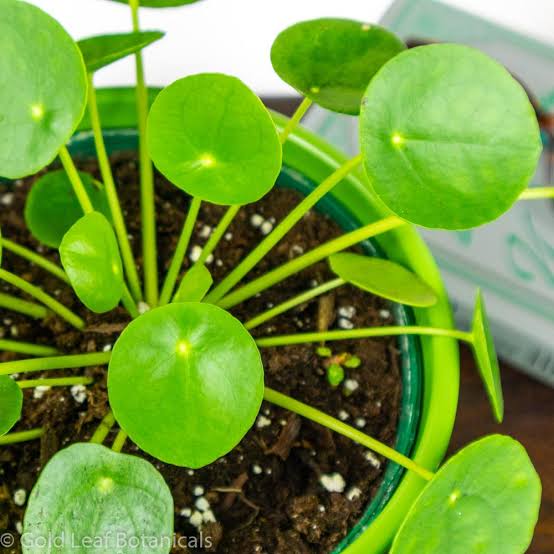
Benefits of Chinese money plant ( Pilea plant ) – myindoorplants
The Chinese Money plant, also known as the Pilea, offers numerous benefits such as antibacterial properties, stress reduction, and air purification. It has ornamental value and requires low maintenance. Additionally, it creates a positive environment, regulates humidity, and contributes to biophilic design, ultimately boosting productivity. This plant is a valuable addition to any living or…
Written by
·
-

11 Benefits of English Ivy ( Hedara helix ) – myindoorplants
English ivy, a versatile evergreen vine, offers numerous benefits. It can reduce nerve pain, improve air quality, and protect buildings. With medicinal and Fengshui properties, it helps in cough relief, lung function improvement, and positive energy. While being aesthetically pleasing, it also boasts invaluable wildlife benefits and aesthetic appeal in various cultural beliefs. English ivy…
Written by
·
-

How to grow and care Monstera deliciosa – myindoorplants
The Split leaf philodendron, also known as Monstera deliciosa, is a tropical plant with unique shape, easy to grow. It thrives with bright, indirect light, well-draining soil, and temperatures between 65-85°F. Regular watering, proper humidity, and monthly fertilizer are key. Propagation and pruning are also important steps. Monitor for root rot and yellowing leaves. Split…
Written by
·