Tag: houseplants
-
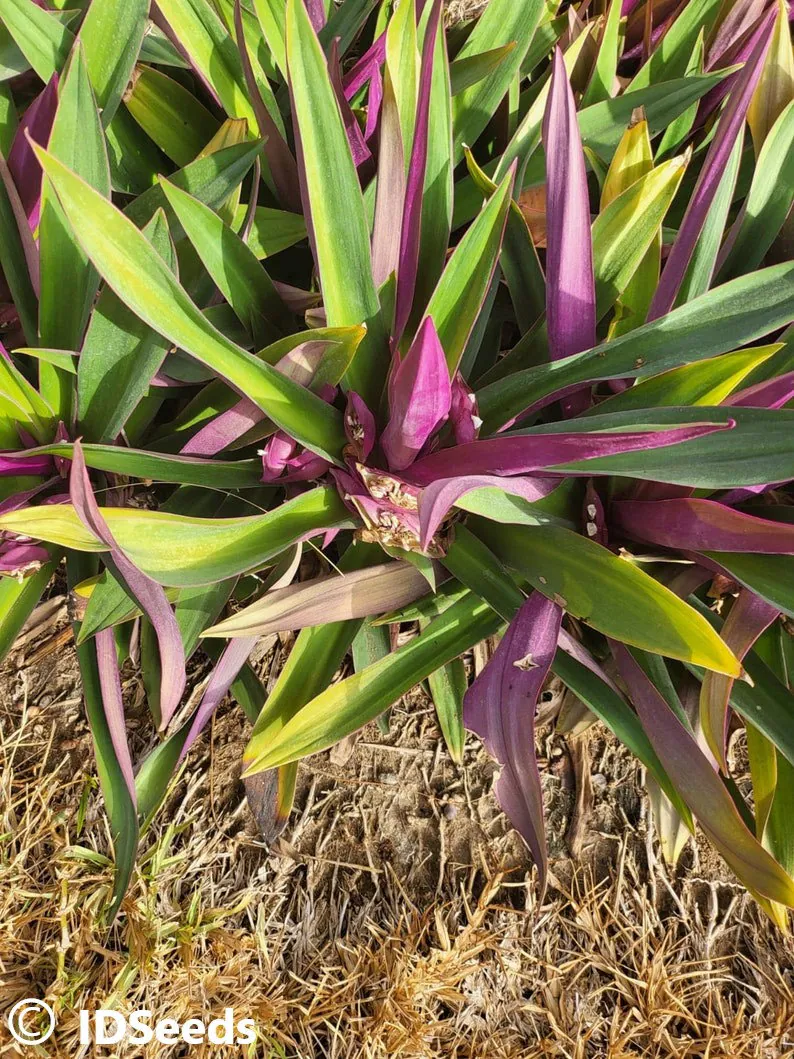
Oyster Plant (Tradescantia Spathacea) Benefits: Health Benefits and Vastu Significance
Oyster Plant, also known as Tradescantia Spathacea offers numerous health benefits such as regulating blood sugar, boosting immunity, and improving heart health. Additionally, it has aesthetic and Vastu benefits, making it a valuable addition to any garden or indoor space. Oyster Plant Benefits Oyster Plant (Tradescantia Spathacea) is a fleshy or succulent perennial garden herb…
Written by
·
-
Silver sword plant philodendron care
Silver sword philodendron is considered as relatively rare and has more popular varieties. This plant is silver green coloured and arrow shaped leaves. The foliage of plant is not only striking in colour but also in shape. Philodendron silver sword is easy to care for nature with an aesthetic appeal. This impressive foliage adds a…
Written by
·
-

Oyster plant Care : Light, Water, Fertilizer
Oyster plant is an herb in the Commelinaceae family which was first described in 1788.The oyster plant is generally simple to maintain and grows well in containers. Eye-catching of Oyster plant grown on warm climate. It has long- lashed shaped,glossy,dark green leaves with white or pink flowers.This plant grows quickly and should be planted in…
Written by
·
-
Cactus Plant Benefits: Air Purification, Stress Reduction
The Aztecs of central Mexico consider a flowering cactus auspicious. According to them, a blooming cactus flower symbolizes good luck and its owner can expect good news immediately. It can transmit bad energy at home. It is believed that the prickly and sharp thorns on the leaves carry negative energies within them. Didn’t know about…
Written by
·
-

Cacti Plant Care Guide: Light, Soil, Water, and Propagation
Cacti plant is now a common indoor plant and caring your plant is important. The native habitat for most Cacti is a desert area. They will grow in lots of light, good soil, high temperature and low humidity. They come in a vest ranges of shape and size from the petite to the grand.Place indoor…
Written by
·
-
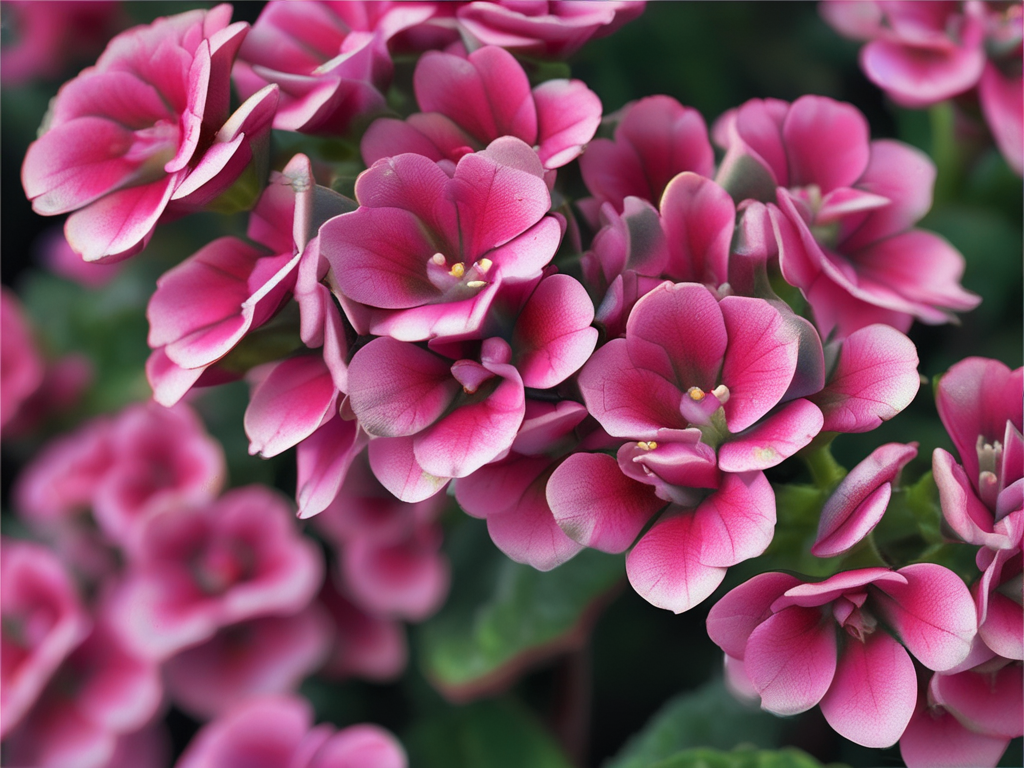
Kalanchoe Plants: Benefits for Air Purification, Analgesic, and Sunburn Treatment
Some of variety develops to red leaves , the most of the Kalanchoe plants which is tiny leaves and red, yellow, pink shades colourful flowers. This plant has drought tolerance capacity and easy to grow. Its grow in tropical climate in indoor and perennial climate in outdoor. I am really happy to share the benefits…
Written by
·
-

20 Colourful Kalanchoe Plant Variety with care tips
This article discusses several varieties of the Kalanchoe plant. Based on my own experience, I have shared how to care for all types of Kalanchoe plants. 20 Colourful Kalanchoe Plant Variety there are total 20 types of kalanchoe plant listed Kalanchoe Types kalanchoe plant types with some care. Because all of plant need some special…
Written by
·
-
How to grow and care Kalanchoe Plant
Kalanchoe plant is a genus of about 125 species of tropical, succulent plants in the stonecrop family Crassulaceae. It is a popular indoor plant because it’s drought tolerant and easy to grow. This plant prefers low-maintenance indoor plant that grows to about 6 to 12 inches tall with fleshy, succulent leaves. It’s native to Madagascar and…
Written by
·
-

Aglaonema Plant: Top Benefits for Health, Positivity, and Luck
This plant is also known as Aglaonema plant, they are long-lasting plant that can tolerate low humidity, low light, low water. Aglaonema plant considered one of the best foliage plants for cleansing room air of toxins such as benzene and formaldehyde. It is highly toxic to pets and human. Ingestion will cause mouth and stomach…
Written by
·
-
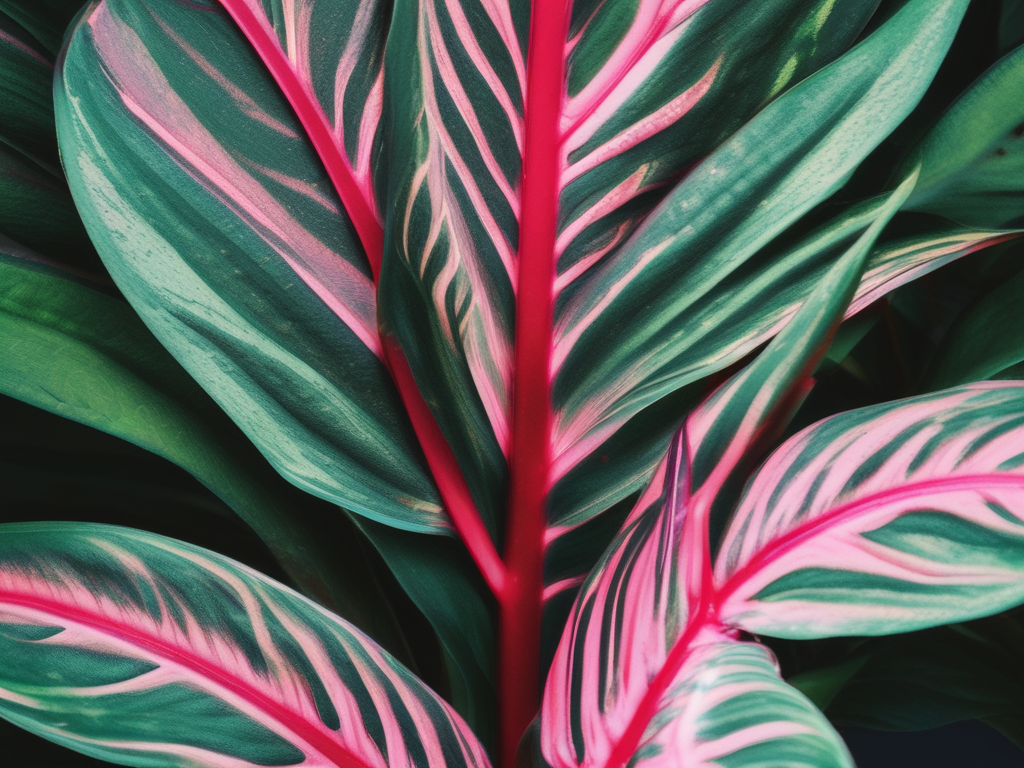
Exotic Aglaonema Plant Varieties: Colors, Patterns, and Care Tips
Aglaonema plants have a variety of impressive range colours and pattern combinations. Add colour to darker foliage and tolerance of shade. Here, I will share some types of Chinese evergreen plants in this article. Aglaonema Plant Types Aglaonema Plant Types 1) Aglaonema Pink Dalmatian This plant will tolerate low light areas but the leaf spots…
Written by
·