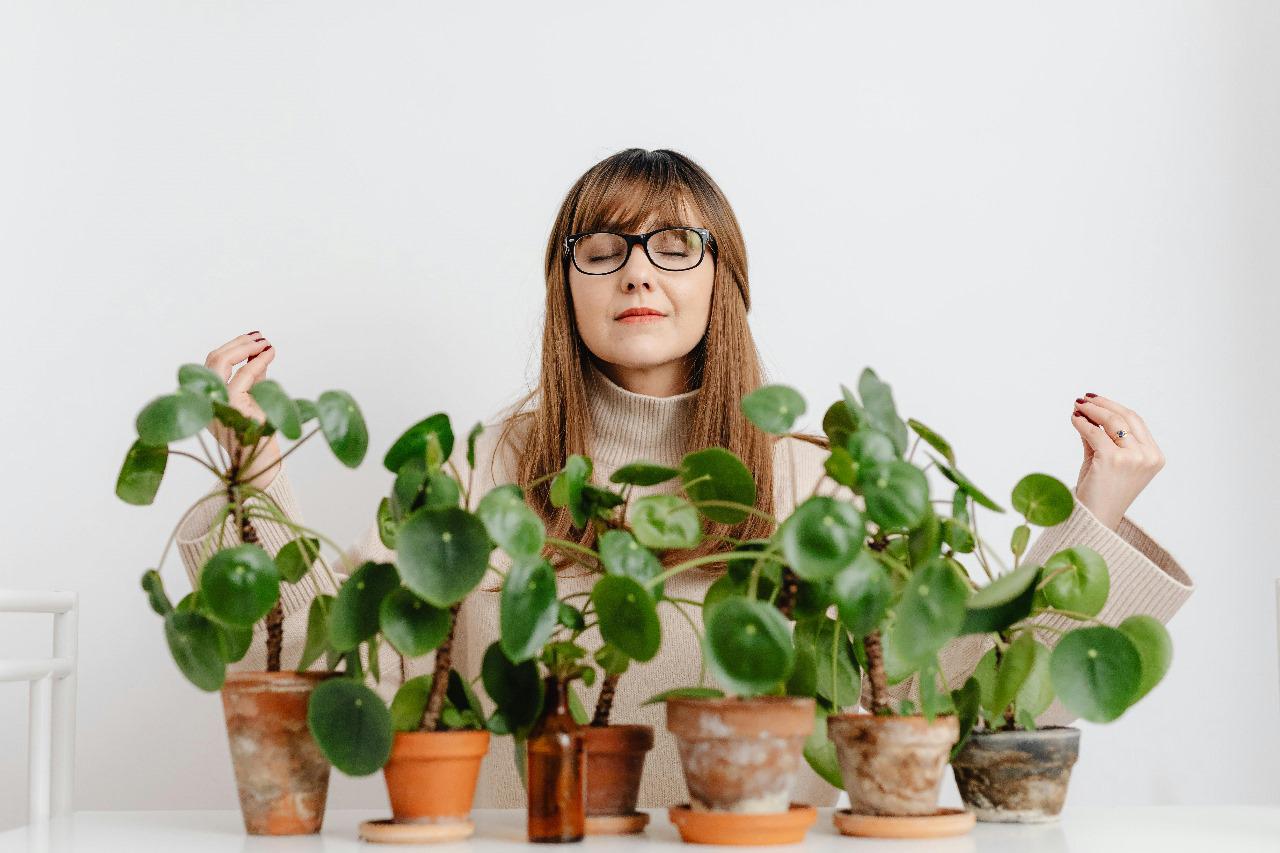
The trailing habit makes variety of Pilea ideal for hanging baskets. This article shares different types including Creeping Charlie, Silver Tree Pilea, Pilea Greysy, Aluminium Plant, Moon Valley Plant, Baby Tears, Clearweed, Norfolk Friendship Plant, Jamaican Pilea, Friendship Plant, Artillery Plant, Silver Cloud, Black Leaved Panamiga, Pilea Ellen, and Pilea Dark mystery. Each type has unique characteristics and care instructions.

The trailing habit makes variety of Pilea are ideal choice for hanging baskets. So, I shared some variety of Pilea in this article that’s help you a lot.
Chinese money plant Types
- Creeping Charlie (Pilea Nummulariifolia)
- Silver Tree Pilea (Spruceana)
- Pilea Greysy
- Aluminium Plant (Pilea Cadierei)
- Moon Valley Plant (Pilea Mollis)
- Baby Tears (Pilea Depressa)
- Clearweed (Pilea Pumila)
- Pilea Globosa (Serpyllacea)
- Norfolk Friendship Plant (Pilea Spruceana)
- Jamaican Pilea (Pilea Grandifolia)
- Friendship Plant (Pilea Involucrata)
- Artillery Plant (Pilea Microphylla)
- Silver Cloud (Pilea Pubescens)
- Black Leaved Panamiga (Pilea Repens)
- Pilea Ellen
- Pilea Dark mystery
Pilea plant Types
Creeping Charlie (Pilea Nummulariifolia)


It is a perennial evergreen herbaceous plant commonly known as creeping charlie. Creeping Charlie is a creeping groundcover perennial plant in the Urticaceae family. Often grown indoors as a house plant. When planted outside it is considered weedy. This plant is a nutritional powerhouse. Its high vitamin C content once made it a scurvy preventative. It’s recognized for supporting kidney, lung, and digestive health.
Silver Tree Pilea (Spruceana)

Silver tree is a beautiful indoor plant with a wrinkle, deep green almost like charcoal leaves with a central silver band. It’s prefer slow fertilizer apply in Spring. Silver Tree Pilea prefers bright, indirect light. Avoid direct sunlight, which can scorch its leaves. A spot near an east or north-facing window is ideal, providing the plant with plenty of light without the harsh direct rays of the sun.
Pilea Greysy


Pilea greysy is cute spread of little round grey green leaves that look like little flowers making an interior statement. Keep the soil moist but not too wet, its prefer 65-75 degree fahrenhite. They like fairly bright light and will grow fast during the Summer. Water once the soil is dry in the winter.
Aluminium Plant (Pilea Cadierei)


Pilea cadierei, commonly called aluminum plant, is native to Vietnam. The foliage looks like it has been splashed with aluminum paint, hence the common name. It like moist soil and should be watered once the top half inch of soil is dry. They may need less frequent watering during the winter when their growth slows. They also benefit from regular misting to help boost humidity. Aluminum plants like bright, indirect light.
Moon Valley Plant (Pilea Mollis)


Moon Valley Pilea (Pilea Mollis) is non toxic and can live alongside pets and small children. You should rotate your Moon Valley Pilea once a week to ensure the growth is even on all sides. It is a bushy trailing plant that features clusters of ovate, toothed, textured, dark green leaves with dark bronze undertones and often light green edges. Leaf undersides are typically dark red. Tiny pink-green flowers in branched cymes in summer are not particularly showy.
Baby Tears (Pilea Depressa)


Pilea depressa is an evergreen, miniature vine. The tiny, green, fleshy leaves with scalloped edges grow on thick pinkish stems. Pilea depressa, commonly known as Baby Tears, it is a charming and fast-growing plant favored for its lush, mat-forming growth habit and tiny, vibrant green leaves. It’s an excellent choice for adding a touch of greenery to indoor spaces or shaded garden areas.
Clearweed (Pilea Pumila)


Pilea pumila is commonly known as clearweed,it is an herbaceous plant in the nettle family.The plant can be used in classroom demonstrations of transpiration using food coloring due to its translucent stem. It was reportedly used medicinally by certain Native Americans for sinus issues, itch relief and to reduce hunger, and it is sometimes used as a diuretic in Asia.
Pilea Globosa (Serpyllacea)

A handful of them are grown as indoor plants, their name comes from the Latin for ‘felt cap’ which refers to the unique way that their fruits are protected. It was originally believed to bring good luck, money and fortune to its owner. Because the large, circular leaves stack on top of each other, they look like coins.
Norfolk Friendship Plant (Pilea Spruceana)

%3Astrip_icc()%2Fnorfolk-friendship-plant-pilea-spruceana-27f64bbf-4b47722aab4440b994836a746addd2de.jpg&tbnid=_4Nwhv1aEBpjRM&vet=1&imgrefurl=https%3A%2F%2Fwww.bhg.com%2Fgardening%2Fplant-dictionary%2Fhouseplant%2Fpilea%2F&docid=gut_wSB3Kib2eM&w=979&h=979&source=sh%2Fx%2Fim%2Fm4%2F2&kgs=6db054d1f3096068&shem=abme%2Ctrie#vhid=_4Nwhv1aEBpjRM&vssid=mosaic)
Norfolk Friendship Plant is prefers indirect sunlight or dappled shade. Prefers moist free-draining soil or a good quality potting mix, and lots of humidity.Use a well-draining potting mix rich in organic matter. A mix designed for indoor plants, with added perlite or vermiculite for aeration, works well.
Jamaican Pilea (Pilea Grandifolia)


Pilea grandifolia is an undershrub and attractive species native only to Jamaica.This is sometimes listed as Pilea grandis The beautiful, oblong, apple green leaves have a lovely quilted texture. It has large clusters of interesting tiny flowers. This is an easy and fast growing tropical.
Friendship Plant (Pilea Involucrata)


Pilea involucrata is commonly called the friendship plant, it is a bushy trailing plant which is sometimes cultivated. Especially where high humidity can be provided, such as in a terrarium. Grow indoors in a warm, humid environment in bright indirect light. Use a peaty soil-based potting mix and place in an area of high humidity. Water moderately in the growing season, less in fall to late winter.
Artillery Plant (Pilea Microphylla)


Pilea microphylla is also known as artillery plant, it native to Florida, Mexico, the West Indies, and tropical Central and Southern America. Pilea microphylla has long been used as a remedy for various ailments, including infections, gastrointestinal issues, and insomnia. Since it is non-toxic, this plant is typically used in teas and tinctures but can also be used in capsules or powders.
Silver Cloud (Pilea Pubescens)


Pilea Pubescens doesn’t like direct hot sunlight, so position in your home where it will receive filtered light & they prefer well draining soil.Uncommon indoor plant with striking silvery leaves, ruffled and serrated, with pinkish color on the undersides. It’s an upright compact plant to 10 inches high with inconspicuous flowers.
Black Leaved Panamiga (Pilea Repens)


Too much sun can cause this pilea stress. Declining leaves will often show spots. It is a low spreading herb with small quilted leaves almost round, thin and glossy, coppery-brown with large crenations at the margin, purplish beneath arranged on hairy stems.
Pilea Ellen


Pilea Ellen is a very choice and unusual, metallic looking houseplant with distinct silver leaves. It prefers well-drained, organic potting soil with regular watering. Prefers a warm, humid environment with bright, filtered light. It is easily propagated from stem cuttings, making sharing with friends a breeze, thus the common name of friendship plant.
Pilea Dark mystery


Dark Mystery Pilea is an intriguing plant that has highly textured, chocolate-brown leaves accented by a broad silvery stripe running up the center of each leaf. It prefers a warm, humid environment with bright, filtered light. It’s a non-toxic plant, making it a safe addition to homes with children. Scientific evidence confirms its safety, so parents can breathe easy.