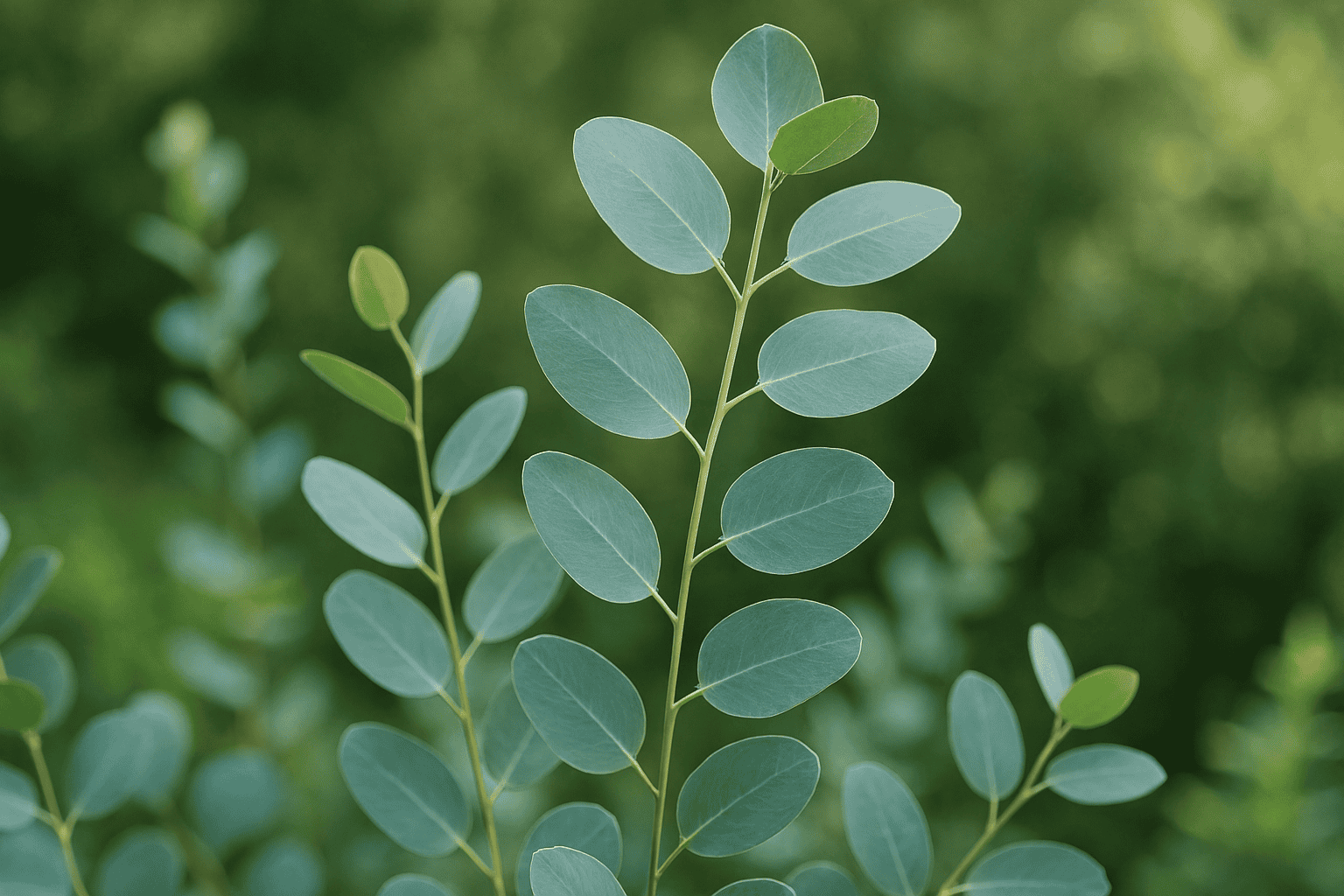
The main goal of bringing a eucalyptus plant into the home is to create a sweet scent in the home. It has reddish-brown bark and silvery, blue-green leaves. Eucalyptus plant fragrant oils are used to scent perfumes and fragrances. All parts of the eucalyptus plant produce these oils but they are most commonly derived through steam distillation of the leaves. With proper care and maintenance Eucalyptus plant can live up 30 years, making it a timeless addition of your indoor gardening.
Eucalyptus plant prefers

- Scientific Name : Eucalyptus globulus
- Family : Myrtaceae
- Plant type : Shrubs
- Length : 60 meters
- Temperature : 65-75°F
- Humidity : 30-50%
- Soil type : Well-draining
- Soil pH : 5.5 and 7.0
- Bloom time : Late spring to Summer
- Native area : Australia
- Toxicity : Human and pets
How to grow your Eucalyptus plant with some care
Adequate amounts of light, water, soil, temperature and fertiliser should be obtained for the plant to grow healthy. The common problems and benefits of the plant have also been shared in this article. This article will help you with help you with all the essentials you need to grow your plant.
If you want to know about the Cat palm plant care.
Light
Eucalyptus plant grow best in full sun and requiring at least six hours of direct sun per day. Place this plant in a south-facing window or under grow lights to receive six to 10 hours per day. Avoid direct sun can scorch the delicate fronds.
Water

This plant is drought tolerant and need low to moderate water. Get water when the top inches of soil feels dry. However, young plants require regular watering to support growth and establish roots. Water deeply to encourage deep rooting. Water thoroughly to moisten the entire root ball which encourages deep root growth.
Soil
Eucalyptus plant prefers dry to medium soils with good drainage. The soil mix such as little compost or topsoil into poor, sandy soils. The ideal pH is slightly acidic to neutral soil pH. To make sure to choose a lightweight potting mix designed for cacti. You can also add some extra perlite or sand to your potting soil to improve drainage and air circulation.
Temperature & humidity
Eucalyptus plant prefers warm temperature and ideal temperature between 65°F and 75°F. Many varieties of Eucalyptus plant are not frost-tolerant so plants may need protection in cooler climates. It cannot survive prolonged exposure to temperatures below 50°F.
It need moderate humidity level around 40% to 60%, making standard household levels suitable. When your home’s air is very dry but eucalyptus plants can tolerate less humid conditions.
Fertiliser
Feed your plant during their growing season with a balance fertiliser. To make your plants grow faster, apply fertilisers when the plant starts flowering. It is generally require little to no fertilizer. Feed slow-release fertilizer or compost, especially in spring. Avoid fertilizers high in nitrogen which can weaken the plant and stop fertiliser in fall to prevent cold damage to new growth.
How to propagate your Eucalyptus plant
Eucalyptus plant is propagate by stem cuttings. The best time to take cuttings is when a plant between 2 and 12 months old. Keep the cutting in a warm, bright spot, under a plastic bag to maintain high humidity and mist it regularly.
- Choose a young, softwood part 4-6 inches long, from a healthy eucalyptus plant. Using a sterilised knife to cut just below a leaf node.
- Remove the bottom leaves and leaving two or three at the top to prevent excess moisture loss. Apply the rooting hormone and water to stimulate root growth and protect against disease.
- Place the pot in a warm, bright location but away from direct sun. Keep the soil lightly moist. Roots should form in about a month.
Eucalyptus plant care: Pruning your plant that make healthier

Pruning is the essential part of its care that keeps your plant healthy and encourage lush growth. It helps the plant conserve energy and produce more prolific and larger flowers. The best time for pruning is late winter to early spring just before plants are actively in growth. It can be sensitive to hard pruning and shock can potentially kill the plant.
To Cut the main stem back to a low height to stimulate new shoots from the base. Regular trimming encourages bushier, more compact growth and prevents the plant from becoming leggy while pruning can also improve air circulation and light penetration, reducing disease risk.
Types of Eucalyptus plant
- Rainbow eucalyptus: The rainbow eucalyptus is a spectacle of nature with its smooth, orange-tinted bark that peels away in strips to reveal a canvas of green, red, orange.
- Eucalyptus caesia: It is a species of mallee that is endemic to the south-west of Western Australia. This plant is very popular and highly ornamental small plants.
- Eucalyptus robusta: This plant is commonly known as swamp mahogany. It has thick fibrous rough bark, large, discolorous leaves with wide-angled side-veins, large buds.
- Eucalyptus cladocalyx: Eucalyptus cladocalyx is commonly known as sugar gum. It is a medium to tall tree of potentially good form, moderately fast growth rate and good coppicing ability.
Repotting of Eucalyptus plant
Eucalyptus plant is fast growing plant so it needs a large pot and frequent repotting every spring. It will need to be re-potted every spring and some faster growing varieties may need re-potting twice a year. Repot when the plant is root-bound or when new pups start appearing at the base of the parent plant. To repot a Eucalyptus plant then move it to a pot only 1-2 inches larger in diameter with drainage holes. Use a larger container with good drainage and well-aerated soil.
Facing some common problem of Eucalyptus plant

- The common problem is Eucalyptus plant’s leaves turning brown. It can be a sign of too little moisture. It also can be a sign of disease, especially fungal diseases.
- Leaf spot is a common disease effecting the plant that results in discoloured spots on its leaves, potentially leading to overall plant wilt and death.
- Nutrient deficiency is main problem of indoor plants. It make yellowing leaves and stunted growth may signal a lack of nutrients. Overwatering is cause
Benefits of Eucalyptus plant
- Eucalyptus plant is a popular indoor plant. The benefit is reducing symptoms of coughs, colds and relieving muscle and joint pain.
- If you know that Eucalyptus plant has a beautiful aroma. It can be used for its aesthetic appearance to decorate your home and the beautiful fragrance will keep your room fresh.
- This plant has analgesic and anti-inflammatory properties. It can help alleviate muscle and joint pain and used to treat conditions like arthralgia.
Eucalyptus plant Faq
1. How fast does Eucalyptus grow?
Ans. Eucalyptus is a fast growing plant and can gain several feet per year.
2. Is planting Eucalyptus plant 2 meters away from my main house building dangerous?
Ans. Eucalyptus survival strategy is encourage hot but wildfires with their highly flammable oil. After the fire burns through, buds emerge from within their scorched trunks.
3. Is silver dollar Eucalyptus viable for bonsai?
Ans. Yes, the Silver Dollar Eucalyptus is viable for bonsai, though its strong, vigorous growth and large leaves can present challenges.