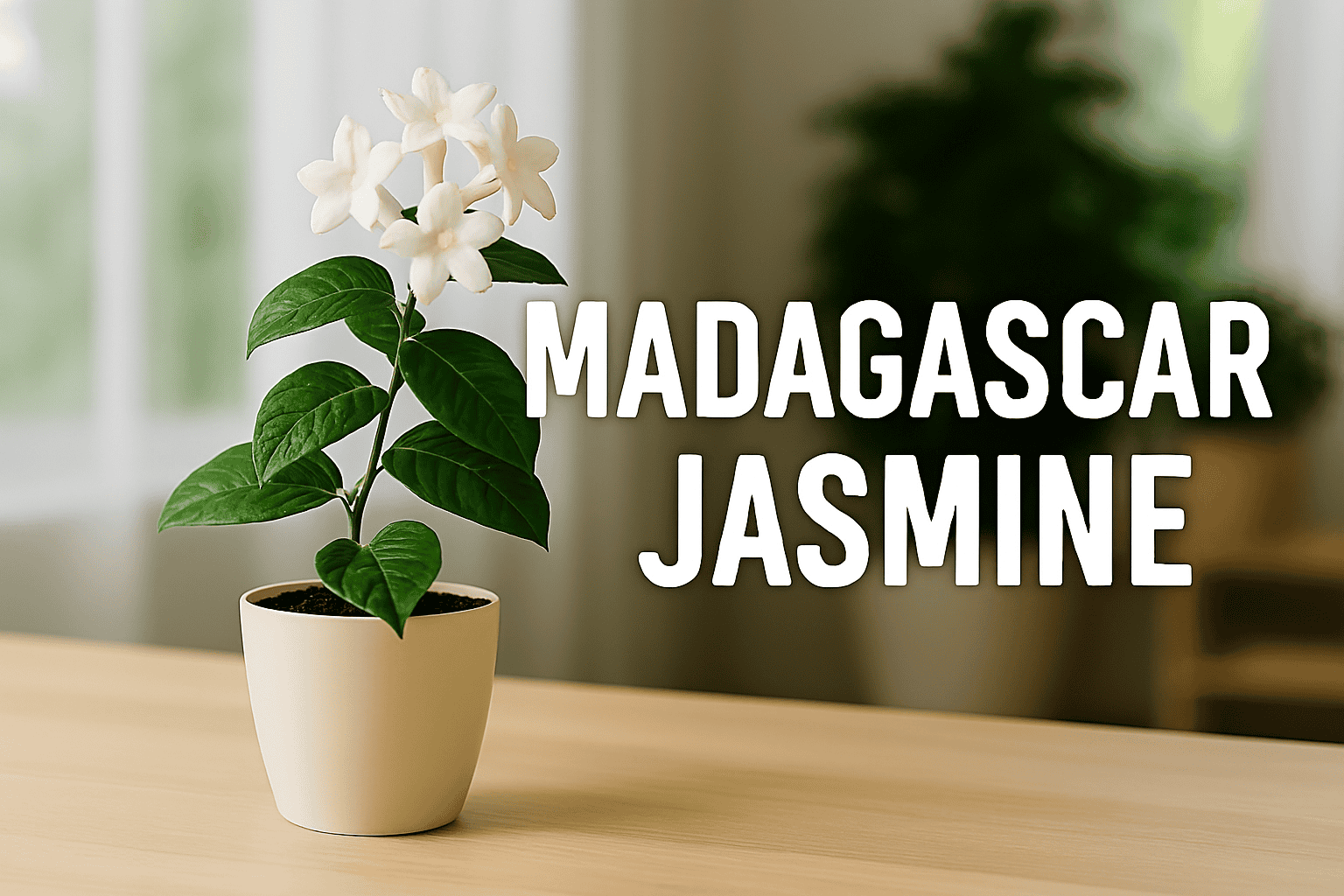
If you want the most decorative indoor plants discussed here. Stephanotis plant is also known as Madagascar Jasmine plant, it is an attractive indoor plants for its clusters of scented blooms. It can grow to more than 20 feet and produces trumpet shaped blooms. This plant has pure white, tubular flowers with dark green leathery leaves.
However, if you can provide the appropriate growing conditions, your plant may survive several years. I have shared the steps taken to grow this plant care in this article which will guide you.
Scientific classification of Stephanotis plant care
- Kingdom: Plantae
- Clade: Tracheophytes
- Clade: Angiosperms
- Clade: Eudicots
- Clade: Asterids
- Order: Gentianales
- Family: Apocynaceae
- Genus: Stephanotis
- Species: S.floribuna

Prefers of Stephanotis plant care
- Light – Bright, indirect light
- Soil – Potting mix
- Soil pH – 5.5-7.5
- Temperature – 68-90 degree Fahrenheit
- Humidity – 40-80%
- Bloom time – Late Spring
- Native area – Southeast Asia and Madagascar
- Toxicity – Non-toxic
Stephanotis plant (Madagascar jasmine) care with some tips
This article will help you with all the essentials you need to grow your plant. Adequate amounts of water, light, and soil should be obtained for the plant to grow. The problems and benefits of the plant have also been shared in this article.
If you want to know Jasmine plant care.
Light
Stephanotis plant prefers bright, indirect light with evenly moist conditions. It also tolerate full sun to partial shade. It needs 6 hours of direct light each day and 2- 4 hours of partial shade. Excess amount of light can causes your leaves turning yellow or sunburn. When the plant in outdoors, it’s requires full sun through afternoon shade may help the vine from becoming scorched.
Water

When the plant is actively growing then it will need to regular watering. Water thoroughly when the top inches of soil feels too dry. Avoid overwatering, it can lead to root rot. Too much or too little water can kill your plant.
Soil
Keep the soil well draining by adding perlite and some organic matter to provide essential nutrients and to help to acidic soil. A good soil mixture for Madagascar jasmine contains lots of organic matter like coco coir, along with perlite or vermiculite to help with drainage.
Temperature & humidity
This plant prefers a temperature between 68 to 100 degree Fahrenheit in its native growth environment. Madagascar Jasmine plant can tolerate cooler temperatures but avoid exposing it to temperature below 55 degree Fahrenheit, it may cause damage the plant.
Stephanotis plant like moderate to high humidity levels. You can increase humidity around the plant by misting its leaves with water regularly or place a tray filled with water. Use humidifier or spray bottle to increase the humidity of the plant.
Fertiliser
Using fertilisers is the process to grow your plant easily. During the growing season use liquid or slow fertiliser, feed the Madagascar Jasmine with a balanced, water-soluble fertilizer to promote flowering. Feed weekly with a high potash fertiliser in summer.
Propagation of Stephanotis plant
The most commonly propagated by cuttings. Propagation is a method by which you can make many plants of your choice. The best time to take your plant cutting for propagation is growing season when the plant actively grow healthy. Stephanotis plant can be propagated by cutting from stem. To cut the lower leaves but leave a few leaves.
Take four- or five-inch cuttings that have at least two leaf nodes. Nodes are the bumps on stems that usually develop into a leaf. Dip the cuttings into a rooting hormone and pot filled with potting soil mixed with sand. Keep the soil moist and provide a humid conditions with proper care.
Pruning of Stephanotis plant

Pruning is the essential part of its care that keeps your plant healthy and encourage lush growth. Trimming your plant for new growth to produce more new branches. Make sure to trim just above a set of leaves and regular pruning will also increase the chances of the plant producing its stunning, fragrant flowers.
Regular pruning is essential for plant growth. It can be encouraged by growing them in a bright and humid conditions. Feed in potassium-rich liquid fertiliser, this nutrient is a bloom booster.The basic procedure consists of removing the lower branches and leaves as that part which doesn’t receive enough light. The best time should take place two week before the plant starts the flowering period.
Repotting of Stephanotis plant
Most of the plant repot in Spring when the plant is double size. Choose a larger container with good drainage hole for your plant. Use well draining potting mix that contains organic matter and perlite. During the growing season, feed your plant balance fertiliser every two or four weeks. Keep the soil moist before watering.
Types of Stephanotis plant
- Isbella – This variety produce larger flowers and foliage.
- Puanani – It is a similar variety of Isbella plant.
Common problem of Stephanotis plant

- The most common problem is yellow leaves is the sign of under-watering or overwatering. It can causes root rot and the plant will be dead.
- Pest can be caused by poor air circulation or high humidity.
- Drooping or curling leaves cause by temperature change and lack of humidity.
Benefits of Stephanotis plant
- This plant used for air purifier and also change the mood for its jasmine like fragrance.
- Stephanotis plant produces
pure white, waxy, star-shaped flowers that are wedding favorites used in bouquets and decorations. - It is used in aromatherapy due to its therapeutic properties. Many people find relief of stress simply by smelling the flowers of this wonderful plant.