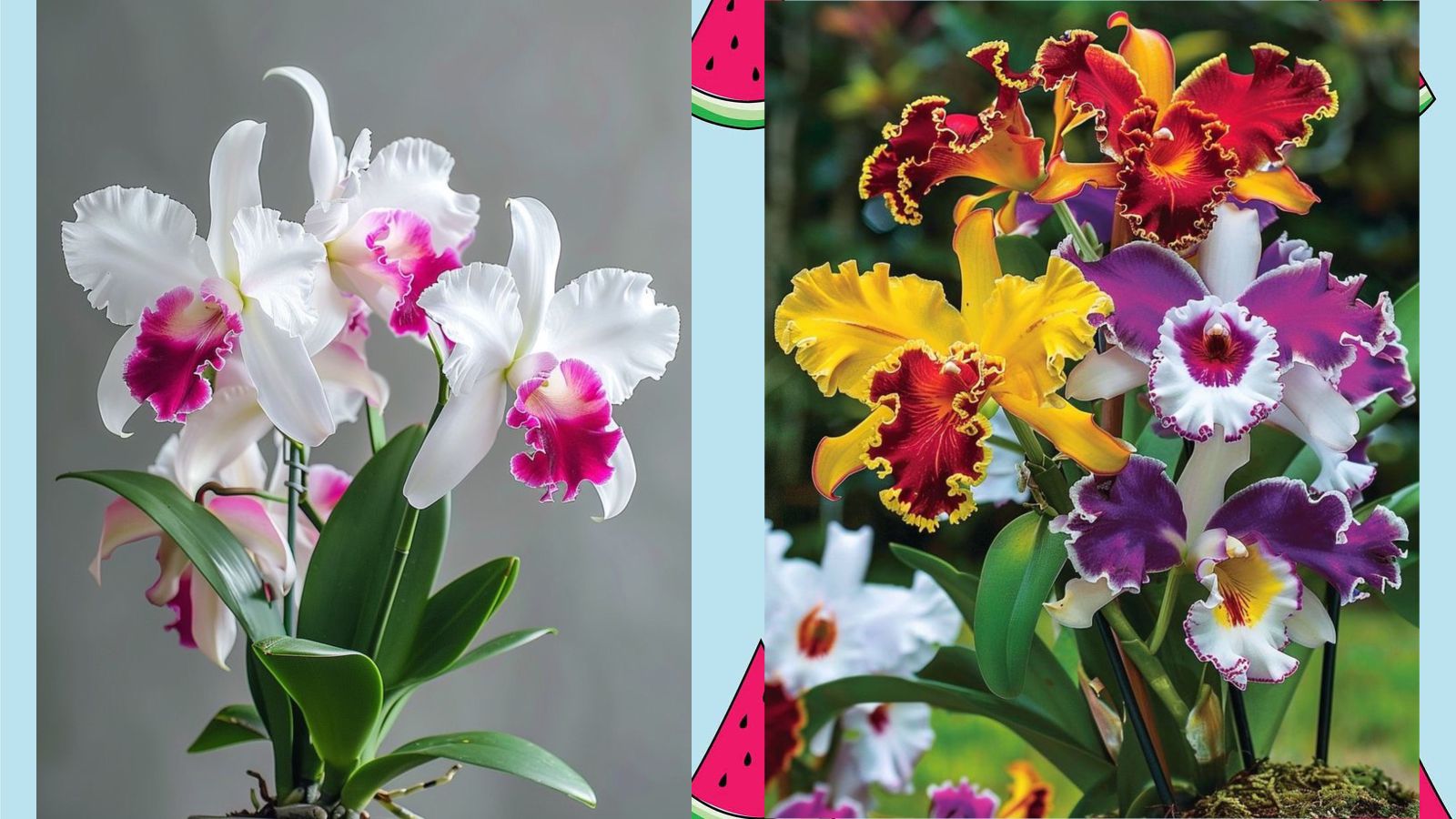
Cattleya orchids require specific care, including adequate light, water, and humidity, to thrive for 15-20 years. Key care tips involve using well-draining soil, balanced fertilizer, and proper pruning. They offer benefits like aesthetic appeal and aromatherapy for emotional wellness.
Cattleya orchid is one of the popular varieties of orchid. It is used for interior decoration purposes. This plant has fragrant flowers that come in a wide variety of shape and colour combinations. Growing these plant is quite challenging if you don’t know how to care for them.
However, if you can provide the appropriate growing conditions, your plant may survive for fifteen to twenty years. I have shared the steps taken to grow this plant in this article which will guide you.
Table of Content
Scientific classification of Cattleya Orchid
- Kingdom: Plantae
- Clade: Tracheophytes
- Clade: Angiosperms
- Clade: Monocots
- Order: Asparagales
- Family: Orchidaceae
- Subfamily: Epidendroideae
- Tribe: Epidendreae
- Subtribe: Laeliinae
- Genus: Cattleya


Cattleya Orchid Prefers
- Light – Indirect Light
- Soil – Potting mix
- Soil pH – 5.5 and 6.5
- Temperature – 70-80° F
- Humidity – 50-80%
- Bloom time – Spring
- Flower colour – Pink, white and yellow
- Native area – Brazil, Colombia
- Toxicity – Non toxic
Cattleya orchid care tips
Adequate amounts of water, light, soil, temperature and fertiliser should be obtained for the plant to grow. The problems and benefits of the plant have also been shared in this article. This article will help you with all the essentials you need to grow your plant.
Umbrella plant turning yellow then check this.
Light
Cattleya orchid wants to bright but filtered light. If the plant’s leaves are rich, dark green it isn’t getting enough light or the plant’s leave is light yellow green then it is getting too much light. The ideal light levels produce foliage with an attractive medium green colour.
Direct light can their leaves and damage the plant. Place your plant in ideal location near an east facing window where it can receive morning sun or shade sun in afternoon.
Water

Generally, Cattleya orchid should be watered when the potting soil becomes dry. Water more regularly when the orchid flowers bloom. Plant roots may rot if grown in wet soil so the water sprays the foliage and runs through the container drainage holes.
When watering your cattleya orchid, ensure that you soak the roots completely until excess water drains out. Avoid more water on the leaves as this can cause fungus or bacterial problems.
Soil
Cattleya orchid is different from other plants so the soil used in it is also different. It grow in well draining and aerated medium, it is essential for the roots to breathe and grow properly. Most of the use a mixture of bark, sphagnum moss, perlite or charcoal as their preferred mix.
Bark is the most important ingredient because it holds moisture well while also allowing good air circulation around the roots. Perlite or charcoal use for better drainage.
Temperature & humidity
This plant grow in tropical regions so they require warm temperatures and high humidity. The ideal temperature between 70-85 degree Fahrenheit. During the winter months, make sure not to expose them to very cold drafts. Day time temperatures can encourage faster growth.
Cattleya orchid do best in humidity level 50-80%. These epiphytic plants naturally grow in humid conditions so natural environment is a must. You can increase humidity by placing humidifier. High humidity levels combined with poor ventilation can lead to fungal disease such as root rot.
Fertiliser
Fertiliser is an essential for your plant growth. When fertilizing your orchids, always ensure that you are using a balanced fertilizer with equal amounts of nitrogen (N), phosphorus (P), and potassium (K). Give your plant a smaller amount of nutrients and regular fertiliser. Avoid excessive fertiliser as they can cause excessive leaf growth at the expense of flower production.
Propagation of Cattleya orchid care

Propagation is a method by which you can make many plants of your choice. There are two methods to propagate your plant like division and bulb propagation. Division involves for separate in smaller sections. Use this method when the plant is not growing. Try to do this during the root growing phase. Another propagation involves in removing the older bulbs from the base.
Pruning of Cattleya orchid care
Pruning is the essential part of its care that keeps your plant healthy and encourage lush growth. Trimming your plant for new growth to produce more new branches. Make sure to trim just above a set of leaves and regular pruning will also increase the chances of the plant producing its stunning, fragrant flowers.
When pruning your orchids, make sure to use clean and sharp scissors to avoid damaging the plants.The first step in pruning is removing any dead or yellowing leaves. You should also remove any damaged or diseased parts of the plant.This will encourage new growth and help the plant produce more blooms in future seasons. Be careful to use clean tools and take care not to damage healthy tissue when cutting away dead.
Repotting of Cattleya orchid
These plant don’t like root division so repot when it’s essential. Choose a large container with good drainage holes. It helps to refresh growing medium, to ensure enough nutrients and oxygen to thrive. The best time to repot your plant after it has finishing blooming and you should also repot when you see roots growing. Get proper care and produce a healthy Cattleya orchid.
Types of Cattleya orchid
- Cattleya labiata: This plant produce big, showy blooms with pink, lilac, or white flowers.
- Cattleya iricolor : This species has fragrant flowers in pale yellow that have long, narrow petals.
- Cattleya mossiae : This species is known as the Easter orchid.
- Cattleya percivaliana : This plant is also known as Christmas orchids because it blooms in Winter.
Common problem of Cattleya orchid
1. Cattleya orchid susceptible to pest and disease include mealybugs, spider mites, and scale insects. This plant is starts to look wrinkled and dehydrated because the fungus plugs the xylem so water cannot move from the roots upward through the plant.
2. The brown spots on leaves, the cause is bacterial infection. Remove the infected leaves and other areas so the bacteria doesn’t spread.
3. Too much getting water is the problem of yellow leaves.Use rubbing alcohol to eliminate the pests.
Benefits of Cattleya orchid

- Cattleya orchid used for decorative purposes including corsages and wedding arrangements.
- This plant has natural aromatherapy session. Orchid’s aroma is known to enhance emotional health, providing a calming influence.