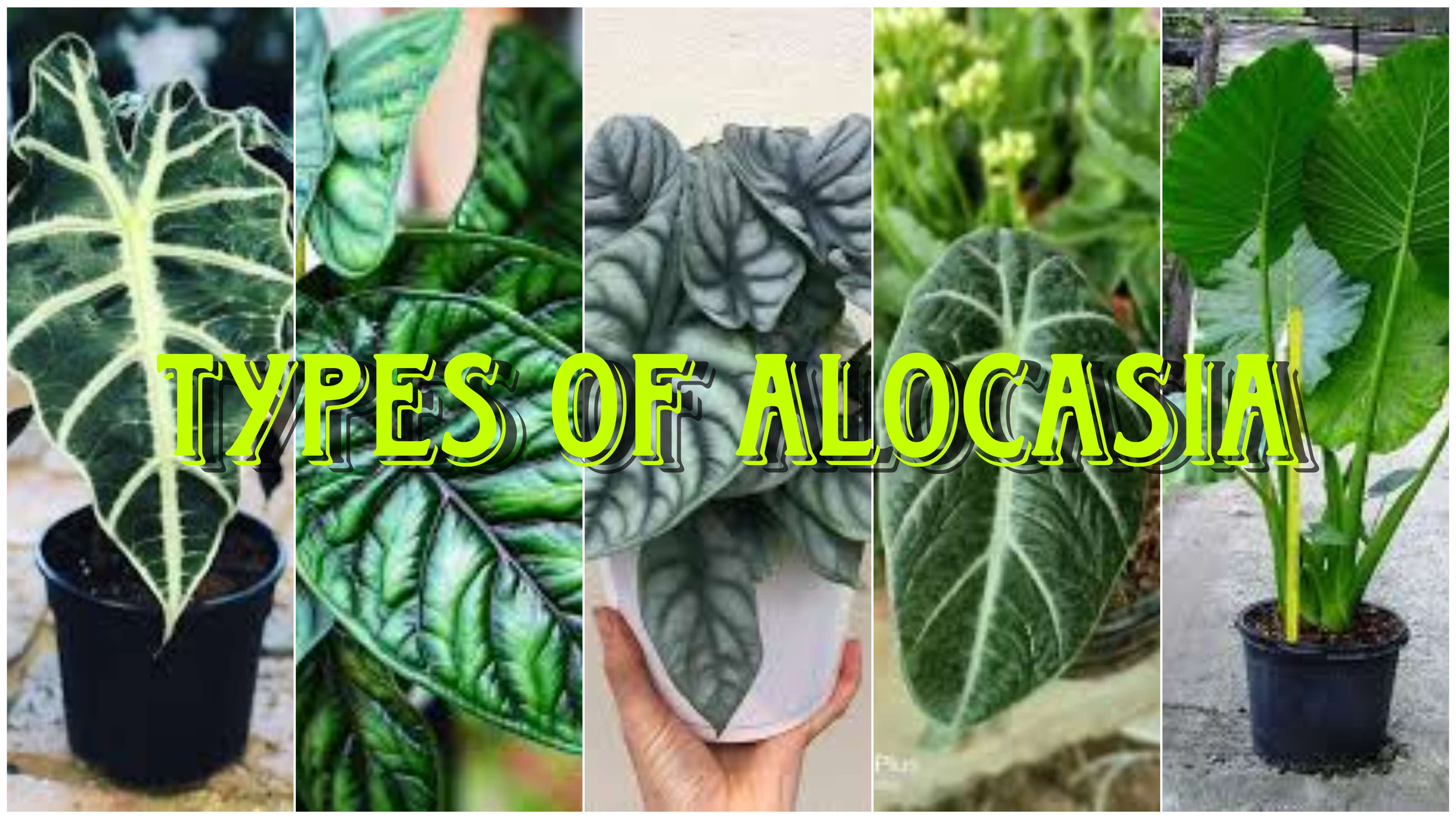
Alocasia plants are sure to be in your home but if you want a variety then this post is for you. Here, I will explain you 12 different types Alocasia plants.

12 different types of Alocasia plant
- Alocasia Jacklyn
- Alocasia Maharani
- Alocasia Pink Dragon
- Alocasia Black velvet
- Alocasia Stingray
- Alocasia Polly
- Alocasia silver dragon
- Alocasia Tiny dancer
- Alocasia Zebrina
- Amazonian Elephant ear
- Alocasia Red secret
- Alocasia Black magic
From a very young age, I have seen my father bring home different types of Alocasia plants and gradually fill them in the home garden.The leaves of this perennial Alocasia plant are quite broad. More importantly, the Alocasia plant is flowering, that is, this plant flowers. There are many species of this plant, but what I am talking about in this article is the top 12 Alocasia plants that most gardeners prefer to have in their gardens.
1. Alocasia Jacklyn


Alocasia Jacklyn is very sensitive to dry soil, so choose a potting soil that retains moisture.The green leaves are textured and somewhat hairy with dark veins and decorative striped stems. Alocasia ‘Jacklyn’ can grow large, so it makes an impressive plant for your rare collection.If you want to boost relative humidity levels for your plant, group it with other houseplants, grow it in a large terrarium or display case.The stems are stiff with a purplish color, but most of the time, they aren’t visible because the large leaves cover them.Alocasia Jacklyn is neither toxic to animals nor humans on touch. But avoid ingesting it as it can be harmful, causing irritation and swelling in the mouth.
2. Alocasia Maharani


Alocasia maharani is also known as Grey dragon. A rare indoor plant for a bright, indirect light location in your home. The distinctive leaves, in attractive shades of gray-green, are stiff to the touch and appear almost prehistoric.If the area your alocasia is in has not enough light, consider using a grow light to boost its foliage. Alocasia Maharani enjoy watering about every 2 weeks, frequent misting, and keeping their soil moist but not wet.
3. Alocasia Pink Dragon


This Alocasia is native to Southeast Asia and Australia where it grows naturally in the tropical forest understory, but thanks to its unique appearance it has gained popularity as a indoor plant too. Blooming time is Spring and Summer . The Pink Dragon Alocasia can reach up to 4 ft in height and 2.6 ft in width in perfect conditions.Alocasia plants can be harmful when mishandled. All parts of the plant contain tiny calcium oxalate crystals. If any part of the plant is chewed it can cause irritation to the lips, mouth, tongue, and throat.
4. Alocasia Black velvet


Black velvet is much more slow-growing plant. It’s sometimes referred to as a jewel alocasia because it’s a diminutive gem. The most distinguishing feature of this eye-catching evergreen perennial is the contrasting silver veins on the thick, textured, dark green foliage.The alocasia black velvet is a moderately rare variety of alocasia, known for its dark arrowhead shaped leaves with thin white veins.Black Velvet alocasia is one of several species of alocasias native in Southeast Asia, with this plant probably coming from the jungles of Borneo.
5. Alocasia Stingray


One of the most eye catching plant is Alocasia Stingray. It grows best in warm, humid conditions and dappled sunlight. Alocasia Stingray is a new, rare form of tropical Elephant Ears that boast immense, spectacular foliage for planting in full sun to partial shade outdoors on the patio or in garden borders for the summer, or indoors all year round where the lush foliage will help to cleanse and purify your air.This alocasia does best with several hours of bright, indirect light every day.
6. Alocasias Polly


Alocasia Polly can be difficult to grow, but most of this plant’s problems can be avoided with proper care. Use your plant’s leaves to indicate potential issues. It enjoy weekly watering sessions and frequent misting, keeping their soil moist but not wet.Alocasias can be susceptible to root rot and fungal infections if their soil doesn’t have proper drainage and becomes waterlogged. This plant can be harmful when mishandled. All parts of the plant contain tiny calcium oxalate crystals.
7. Alocasia silver dragon

%3Amax_bytes(150000)%3Astrip_icc()%2Falocasia-silver-dragon-growing-guide-5524759-03-e2ea591629714218af3fed5a21c725f6.jpg&tbnid=4tRoigsbBwWHQM&vet=1&imgrefurl=https%3A%2F%2Fwww.thespruce.com%2Falocasia-silver-dragon-growing-guide-5524759&docid=1fYo82yWLa-9PM&w=1500&h=1000&source=sh%2Fx%2Fim%2Fm4%2F2&kgs=d3e31189219e02ad&shem=trie#vhid=4tRoigsbBwWHQM&vssid=mosaic)
The Alocasia baginda silver dragon has a medium growth rate. As with most tropical plants, Alocasia Silver Dragons need plenty of sunlight. Place your plant in a spot where it will get at least six hours of bright, indirect sunlight each day.The Alocasia Silver Dragon, while stunning, contains calcium oxalate crystals, which are highly toxic when ingested. These crystals can cause severe pain, swelling, and difficulty breathing, which are particularly dangerous.
8. Alocasia Tiny dancer


The Tiny Dancer is unique compared to other plants in the genus and was named the “most unusual aroid” by the International Aroid Society in 2013.This tropical plant appreciates consistent moisture, warm temperatures, and lots of light. The Alocasia Tiny Dancer is a gorgeous indoor plant that we’ve found thrives growing in water. Stop watering your plant until the early spring months and then start watering lightly.
9. Alocasia Zebrina

This plant is commonly called the zebra plant, is a tropical houseplant prized for its zebra-like stems.It’s a fast grower but it only blooms in ideal conditions and the flowers are usually concealed by the large leaves.Your plant will need plenty of water, though less in winter, so keep the soil permanently moist, but not too wet. The root ball may dry between watering, but do not let it dry out completely.
10. Alocasia Elephant ear


Elephant ears can easily hold their own as a solo plant in the garden or in a large container. They also combine beautifully with other summer bulbs and flowering annuals. Most elephant ears will thrive in full sun at least six hours of direct sunlight per day. Elephant ear plants are indoor or outdoor plants with very large, arrow-shaped leaves. Poisoning may occur if you eat parts of this plant.
11. Alocasia Red secret

It grows best in warm temperatures and high humidity. Keep evenly moist and fertilize during the active growing season.’Red Secret’ is a smaller Jewel alocasia only growing 12-18” tall so it makes an attractive plant for a partially sunny windowsill. It is an exceptionally decorative and rare tropical plant. It is one of the must-have Alocasia varieties among many collectors. They can be harmful if the plant material is chewed on or swallowed. These plants contain oxalate crystals that can cause mouth pain, nausea, vomiting, and diarrhea. They should be kept away from children and pets.
12. Alocasia Black magic


Black Magic needs to be well-watered and fed throughout the growing season. To help support the growth of its lustrous leaves, feed it with fish fertiliser from time to time.Yellow leaves might signal your Colocasia is starving for nutrients. Nitrogen deficiency usually starts with yellowing at the base or top of the plant. All parts of the plant are poisonous while raw, but once cooked the tubers are edible.