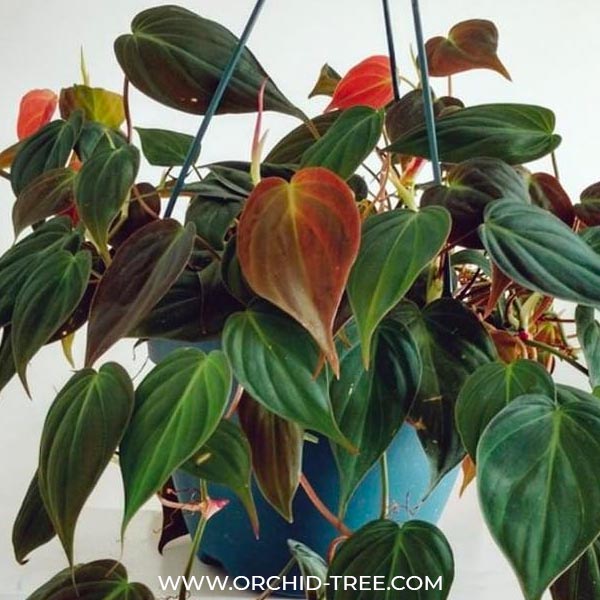
This tropical plant is a stunning variety that is known for its velvety, heart-shaped leaves and easy-to-grow habit. It is great in hanging planters or climbing moss poles. This plant appreciates bright, indirect light, well-draining soil, and regular watering.
Scientific name – Philodendron hedaraceum micans
Kingdom – Plantae
Clade – Angiosperms
Clade – Monocots
Order – Alismatales
Family – Araceae
Genus – Philodendron
Species – P. hedaraceum

Prefers
Light – Partial
Soil type – Well drained
Soil pH – Acidic
Temperature – 65° – 85° fahrenheit
Water – 2 -3 inchs of soil have dried out
Fertilizer – Dilute liquid fertilizer
Bloom time – Spring and Summer
Flower colour – Green , white
Mature size – 8 inchs tall
Native area – North & Central America
How to get care of Philodendron micans
Your plant needs weekly watering sessions, allowing its soil to completely dry out between waterings to prevent overwatering and root rot. In low and medium light spaces, it is best to allow the soil to dry 2/3 of the way through the pot. Here, I will explain how to care for your plant. If you have brought home a new “Velvet Leaves” Philodendron plant, then this article will help you a lot.
Light
This plant thrives in bright indirect light, so place it near a window. However, be sure to keep it away from harsh direct sunlight. Prolonged exposure to direct sunlight can burn the delicate leaves, causing discoloration and crispy edges. While it can survive in low light, it won’t grow as full or as fast. Increased light will cause the leaves to turn red, while low light will result in deep green leaves.
Water

When your plant is the top 2-3 inches of the soil have dried out, another easy way to tell if your plant needs water is to check the leaves. Once it is thirsty, the leaves will start to drop and curl inwards slightly. Philodendron micans can be propagated easily in water. It appreciates regular moisture, but the vining nature of this plant means it’s not accustomed to sitting in water.
Soil
This tropical plant requires well-draining soil that is easy to grow your plant in. While it can technically survive in standard potting soil, this plant will thrive in a custom soil mix designed to meet its needs. Try mixing together 1 part potting soil, 1 part orchid bark, 1 part perlite, and 1 part peat moss or coco coir to create the ideal potting mix for your plant. The perfect pH is between 5.0 and 6.0. When it comes to potting mix, the plant is low-maintenance. All it needs is a well-draining indoor plant mix.
The Philodendron cordatum is also known as the Sweetheart vine. It is another easy-to-care-for indoor plant. If you are a beginner in gardening, this plant is ideal for you. This plant appreciates watering when the soil has dried halfway through the pot. It likes medium to low light, but it is happiest in bright indirect light, where it will produce larger foliage more quickly. Growth will slow if kept at temperatures that are too high or too low. This plant likes to have sandy, quick-draining soil. It will like to be fertilized with a gentle fertilizer every two weeks. Read more
philodendron micans temperature – 650
The ideal temperature range is 65° – 85° Fahrenheit. Luckily, the lower part of that range is typical for indoor heating in temperate regions. Almost any indoor temperature that works for you is a good temperature for velvet leaf philodendron. To ensure that your household temperature is appropriate for your plant, you can keep it away from any cold, drafty windows or air vents.
This plant can thrive in average humidity of 40-50%, but increased humidity will help it develop faster. Place it in an area that is naturally humid or use a humidifier or a pebble tray with water to create the ideal environment.
Fertilizer
Philodendron micans loves to be fertilized during its active growing season, so be sure to use either 1/4 diluted fish emulsion with iron or 1/4 diluted complete liquid fertilizer twice a month. Another option is to top dress your plants with compost in the spring. This plant is in a potting medium that is rich in organic matter, so it will not require any heavy fertilization with a balanced all-purpose fertilizer throughout the spring and summer to help boost growth.
how to propagate philodendron micans
When taking a piece of the stem make sure to take a multiple piece of aerial roots. It’s best to propagate your plants the Spring when the plant is actively growing.

1. Take a new container for the cutting then fill it with the appropriate soil mixture. Choose the area where you will cut the stem of the plant. After cutting have 2 to 3 leaves and nodes at the bottom.
2. Using sharp and sterilized scissors or knife for cut the stem.
3. Cutting stem to allow 12 to 24 hours for callous over.
4. After the calloused placed the stem in water and put in also bright, indirect light where they receive this.
5. Two to three weeks after you should notice a new roots sprouting from the cutting.
6. The roots have grown to atleast 1 inchs in length. Use a well draining soil, foilage liquid fertilizer, humidity, temperature to grow a new plant.
There are hundreds of species of Philodendron, including the Philodendron erubescens. This tropical plant is native to Colombia and is also known as the red-leaf philodendron. The Philodendron erubescens is a collector’s plant that has foliage which is cold and drought tolerant compared to other species. This indoor plant is easy to grow and is relatively easygoing in the home.
Philodendron erubescens is a shade-loving plant. It’s best to water your plant when the soil is dry, allowing for proper drainage. Create a conducive environment and nurture your plant. It prefers to be provided with the right temperature and humidity simultaneously. Read more
Pruning
If you want the plant to remain bushy, then pruning in winter might not show new growth until the spring. Pruning is helpful to create a bushier plant and control its size and shape. Create a more bushy plant by pruning the vines to encourage new growth. Prune the plant when the stem meets the main plant.

common philodendron problems
Velvetleaf philodendron is a member of the Araceae family, and therefore is toxic to all animals, including humans and pets. Its toxicity is caused by the calcium oxalate crystals that can be found in all parts of the plant.
If you ingest any parts of this plant, you may begin to feel irritation in the mouth along with excess drooling and foaming at the mouth. This irritation will spread throughout your digestive system, causing discomfort. Poisoning may also cause kidney stones in very rare circumstances.