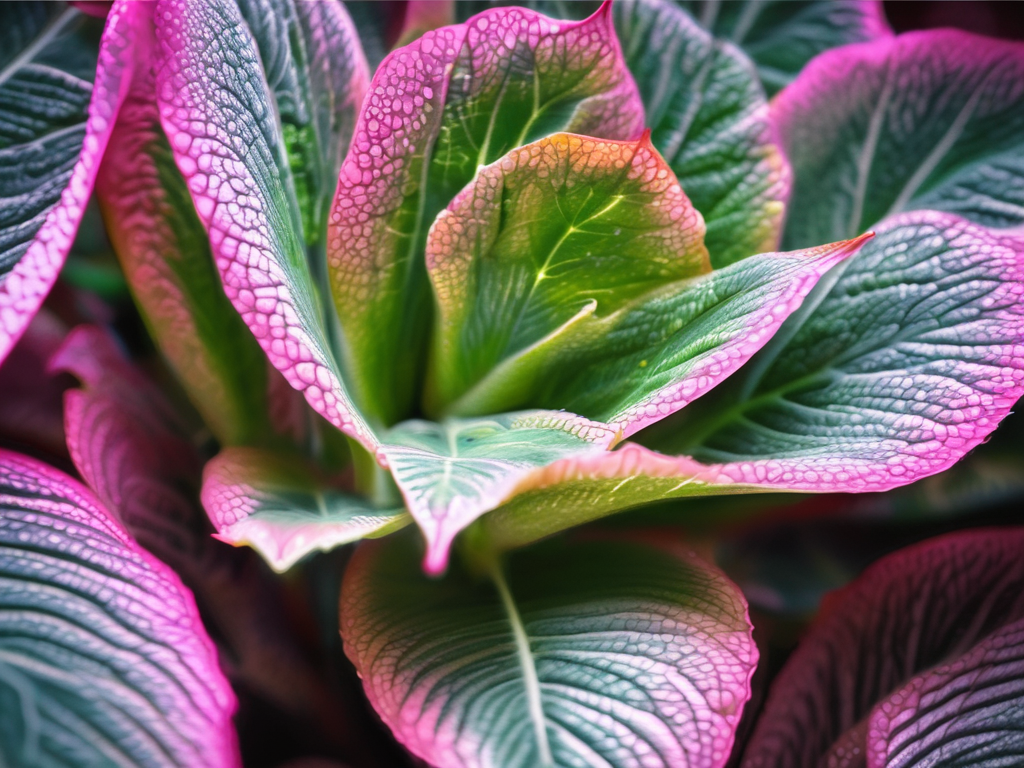
Nerve plant didnot require lot of fertilizer and also take good care of soil remember when soil is dry that ime you have to watering.
We always want to keep something at home that requires less time and less space. So Nerve plant that can grow in less space, it is compact plant. It has lush, green foliage, streaked with veins of white to deep pink.
Page Content
nerve plant has rich green leaves with bright pink, red, or white veins fir that called Fittonia Green due to its .
As per wikipedia this plant is the “network” of vessels appears to resemble the layout of a nervous system.I brought a very small nerve plant to my house, how to make it big, I have shared this article, I hope it will help you a lot.
I just Brought a little table kamini for my garden, here I daily update what is going on my little kamini plant.

Scientific Classification of nerve plant
- Kingdom: Plantae
- Clade: Tracheophytes
- Clade: Angiosperms
- Clade: Eudicots
- Clade: Asterids
- Order: Lamiales
- Family: Acanthaceae
- Genus:Fittonia
- Species:F. albivenis

Nerve (Fittonia) plant Prefers
- Light – Bright, indirect light
- Soil – Well draining
- Soil pH – 6.5
- Temperature – 60-80°F
- Humidity – 60% to 80%
- Bloom time – Summer
- Flower colour – Red, white
- Native area – South America
- Toxicity – Human and pets
nerve Plant Care
This article will help you with all the essentials you need to grow your nerve plant. Balanced amounts of water, light, and soil need for the plant. Also some problem and benefits I shared in this article.
Light
Fittonia green plant prefers bright, indirect light and place it near a north or east-facing window. This plant grow in the low light shade of larger plant and leaves have same growing conditions when grown at room. If it gets too much light so the leaves may burn, turning brown and crispy. Nerve plant is fairly low growing and will live happily near any window.
Water

During the growing season you should water every 3-4 days and be sure to water more when the soil is dry and not before. The plant needs less water in winter but dry air can cause the soil to lose moisture quickly.
It should also be taken care that the nerve plant does not turn yellow due to too much water or that it does not get dry due to lack of water.The Fittonia Green plant will let you know it needs water by shedding leaves, but having to do so every time will damage your plant’s health.
Soil
Nerve plant prefers a slightly acidic soil and should be moisture but should also drain well. Although grows well in potting soil with peat moss base. It is important to see if the soil is well mixed or not, and if the pot is well drained,
it should be seen because water accumulation can cause root rot of the plant. In Spring or early Summer is the best time to repot your plant and use fresh mix soil when you repot to prevent soil compaction and waterlogging.
Temperature & humidity
This plant needs warm temperature between 60-80°Fahrenheit.The temperature needs to be kept within this ideal range as higher temperatures can cause leaf burn.
Nerve plant loves humid environment so place this plant on kitchen or bathroom area. Regular misting will keep the plants from drying out. You can boost humidity with frequent mixing and placing a humidifier near by. Especially the Winter season using a room humidifier may be it’s helpful.
Fertilizer
Fertilizer is the way to grow your plant healthy. During the growing season like Spring and Summer, feed your plant 5-5-5 fertiliser diluted to half strength. No fertilizer is needed during the fall and winter months when growth naturally slows. Fertilise the Fittonia once in 6 weeks and in other seasons you will require to fertilise monthly. Fittonia does not require a lot of fertiliser.
How to get propagate nerve (Fittonia Green) Plant?
Propagation is another process to grow a new plant. The easiest way to propagation is stem cuttings and another way is root division. In my experience, first one has been more reliable than the second one for me.
Stem cutting is the easiest method, simply cut a stem that has one set of leaf nodes and removes all the leaves. Wait for the roots forming then transplant into soil. Another way is root division, first find the stem of the plant and root it. Then remove the soil from the roots and separate the root balls. Repot the each section of root ball its own container. Thus a new plant will be created.
Nerve plant Pruning

Pruning is the important part for the plant growth. Just as we eliminate the unnecessary things from our life, so the plant licks off its wasted leaves through this pruning. For pruning leaves should be trimmed from one inch above.When you feel the need to trim the leaves of this plant, its ornamental leaves do not need to be trimmed as they add to the beauty of the plant.
This process promote your nerve plant and make them bushier.Fittonia responds well to pruning and can become bushier if you regularly pinch back the stems. Fertilise every 2-4 weeks during the growing season.
Common problem of Fittonia Green Plant
- The most common problem of nerve plant is yellow leaves on your Fittonia is often due to overwatering. If you notice yellowing leaves, reduce your watering frequency , yellowing foliage can also be a sign that root rot.
- Fittonia can be affected by root rot, powdery mildew, and leaf spot diseases. Mealybugs and spider mites are the most common pests affecting Fittonia.
- If leaves become crispy and brown when the air is too dry. If the plant starts to drop leaves, light levels might be too low or its position might be too draughty.
Benefits of nerve (Fittonia Green) Plant

- Nerve plant is popular air-purifying indoor plants, reducing carbon dioxide concentrations in the atmosphere and absorb the levels of benzene and nitrogen dioxide.
- This plant can tolerate low maintenance and like to be kept moist. They prefers moderate light and get water when the soil is dry.
- Fittonia does extremely well indoors in bright indirect light. Place them next to a natural light source like windows facing any direction.