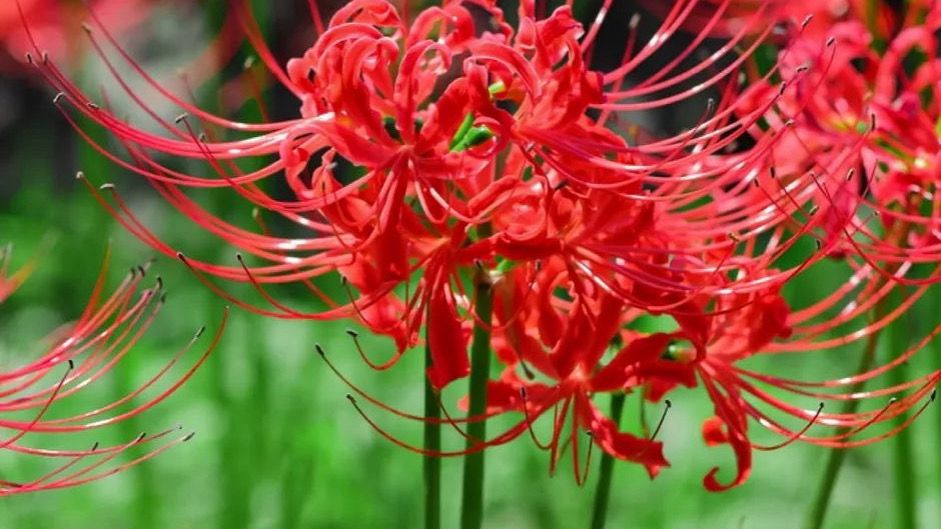
Adequate amounts of water, 5 ot 6 hours of direct sunlight, moist and well-draining soil, temperature and also care your Lily Plant with fertiliser inclued potassium and phosphorus should be obtained for the spider lily plant to grow.
Table of Content
Introduction
One of the most adaptable indoor plants is Spider lily and produce clusters of ribbony leaves like solid green or variegated with lengthwise stripes of white or yellow. Mature plant have long stems with small, star shaped flowers. Spider plants are relatively easy to care for, but a little attention goes a long way in ensuring their health and vitality. This plant appreciates humidity and warm temperatures so they do best in a bathroom, soaking up from the shower.
In this article I share how I have taken care of my Spider lily. Plant lovers like me can grow indoor plants of their choice in very short time and space.
Scientific classification of Spider lily plant
- Kingdom: Plantae
- Clade: Tracheophytes
- Clade: Angiosperms
- Clade: Monocots
- Order: Asparagales
- Family: Amaryllidaceae
- Subfamily:Amaryllidoideae
- Genus: Hymenocallis
- Species:H. littoralis

Spider lily plant Prefers
- Light – Partial shade
- Soil – Well draining
- Soil pH – 6.0 to 7.0
- Temperature – 70-85°F
- Humidity – 40 to 50 %
- Bloom time – late Summer
- Flower colour – Red, pink and White
- Native area – America
- Toxicity – Human and pets
The problems and benefits of the plant have also been shared in this article. This article will help you with all the essentials you need to grow your plant.
If you wants to know about lucky bamboo leaves turning yellow check this.
Spider lily plant in detailed care overview
Light require in spider lily plant

Spider lily plants thrive in warm, Sunny locations and prefers bright indirect light. Place it in a location where receives at least 5-6 hours direct sunlight on each day is best. Choose that place it gets both morning sun and afternoon shade so they can flower without overheating.
Water measurement in spider lily plant

This lily plant requires regular watering when they are growing and flowering to ensure the soil stays moist. The soil should be kept lightly moist but never soggy. Watering should be stopped from leaf drop in spring until flowering in late summer. Keep the soil moist but don’t create a soggy environment.
Soil prefers in lily plant

Appart from that spider lily plant prefers moist, well-draining soil with organic matter. They do fine in acidic, neutral and alkaline soil. During the growing season, they should get supply of moisture. Mix bark and compost will help to boost its nutrient content and improve its drainage. During Summer, they do best if the soil remains dry.
Temperature & humidity

Spider lilies don’t like cold weather, temperatures below freezing can damage. The ideal temperature is between 70-85 degree Fahrenheit during their active growth.
Humidity has no effect on this plant and maintain relative humidity around 40-50%.This level supports the plant’s need for moisture without going overboard.
Care your spider lily plant with Fertiliser

A balanced nutrition fertilizer is great for vibrant blooms. Spider lilies do not require fertilizer when the bulbs have not taken root. The high fertilizer with potassium and phosphorus helps strengthen the plant after blooming and survive winter. It provides essential nutrients for foliage growth, root development, and flower production.
Propagation of Spider lily

Now coming to the Propagation is a method by which you can make many plants of your choice. Spider lily can easily propagate by division and the best time in early Summer. But the healthy spider lily have multiple clumps so you can separate the clumps and replant them at the same depth in another location.
Use a sterilised knife to cut the bulb and separate from the parent bulb in Spring. Water newly potted bulbs until you see new growth.
Pruning of Spider lily
Pruning is an essential part of maintaining the health and appearance of button ferns. Trimming the damage parts of the plant daily helps the plant to grow.This gives the plant a specific shape.Trimming these parts ensures that the plant can healthy growth and it helps prevent the spread of any disease or pests.
Pruning of Spider lily is a vital stimulant for new growth. Trimming the extra foliage and the plant’s energy to the strongest areas, promoting a more vigorous and lush appearance.
Types of Spider lily
There are several varieties of Spider lily plants including
- Golden Spider lily – This variety has golden yellow flowers.
- Red Spider lily – This plant produce bright red blooms.
- White Spider lily – This variety has delicate white flowers.
Repotting Spider lily
Remove the plant from its current pot and place a layer of fresh potting mix in the new pot. Water thoroughly after repotting. Repotting spider plants is only necessary when the roots have become very visible, and the plant is pushing itself up out of the pot. This plant doesn’t tolerate wet soil for very long.
Common problem of Spider lily

- The most common problem is overwatering that makes your plant yellow leaves and waterlogged your plants root rot.
- Spider lily doesn’t tolerate cold temperatures well.If the temperature drops, the plant may die.
- This plant is toxic , and the whole plant contains lycoline. Ingestion can cause vomiting, diarrhea, convulsions, and even death.
Benefits of Spider lily
- This plant use for medicinal properties, it contains various alkaloids and glycosides. To treat various diseases such as gastric ulcers,wounds and respiratory problems.
- Spider plant long, grassy leaves are more attractive so this plant is used for home decoration. According to NASA, this plant removes the toxins such as benzene and formaldehyde from the air.
- Its easy to care feature that its perfect for first time home gardeners.Just give them dappled light or partial shade and well-draining soil.