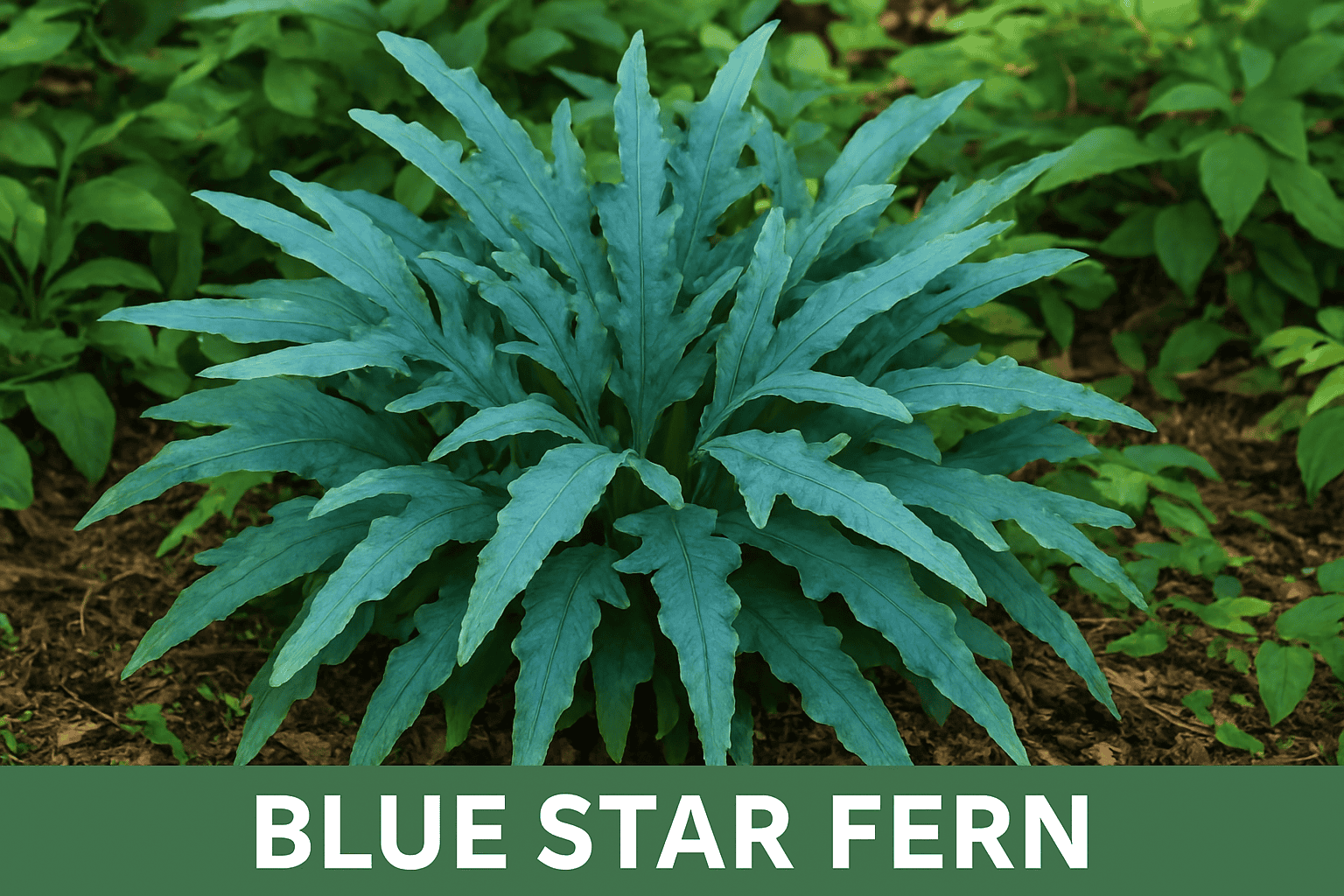
The Blue Star Fern is a species of fern plant. The leaves of this fern plant look a lot like stars. That’s why this plant is called the Blue Star Fern. This plant is called the Blue Star Fern because its leaves have a bluish tint. Blue Star Fern plant looks beautiful when it grows up. Enhances the beauty of the house. That plant is low maintenance and gives good results.
Blue star fern plant prefers


- Scientific name : Phlebodium aureum
- Family : Polypodiaceae
- Plant type : Epiphytic
- Length : 1-2 feet tall
- Temperature : 65-75°F
- Humidity : 60-80%
- Sun exposure : Bright, indirect light
- Soil type : Well-draining soil
- Soil pH : 4 to 7
- Native area : Eastern United State
- Bloom time : Do not bloom
- Flower color : No Color
- Toxicity : Non-toxic
How to grow and care Blue star fern plant
Proper amounts of light, water, soil, temperature and fertiliser should be obtained for the plant to grow healthy. This article will help you with help you with all the essentials you need to grow your plant.
If you want know Blanket flower plant care.
Light
This plant prefers bright, indirect light and making it a perfect choice for both beginner and experienced plant enthusiasts. It grow best in a North or East facing window is ideal. To be ensure it receives the gentle light it needs without the risk of scorching. Avoid placing it in spaces with low light, direct sunlight or spaces without natural light.
Water
Most of the fern plant like consistent moisture. Water blue star fern when the top inch of soil is dry to touch. Water your fern once or twice a week during spring and summer and cut back in fall and winter. Avoid tap water and use rain , tank water are better options. Reduce watering in the winter when plant growth typically slows down.
Soil


Blue star fern plant prefers well draining soil with potting mix like a peat-based indoor plant mix or a chunky blend with perlite and orchid bark. Use a commercial mix and add extra perlite to improve drainage. It is epiphytic plant and grow best in a loose, airy potting mix.
Temperature & humidity
The ideal temperature between 60-80 degree Fahrenheit. It can tolerate slightly lower temperatures but avoid exposing it to temperatures below 70 degree Fahrenheit.
Blue star fern plant prefers moderate to high humidity. The ideal humidity level is between 50-80%. You can increase humidity by placing the plant in a naturally humid room like a bathroom or kitchen.
Fertiliser
Feed your plant during their growing season with a balance fertiliser. To make your plants grow faster, apply fertilisers when the plant starts flowering. You can feed your blue star fern with a diluted balanced, water-soluble fertiliser. Avoid fertilizing during winter when the plant is dormant.
Blue star fern plant care: Propagate your plant to healthy way
The best way to propagate by division and mature plants can also reproduced by spores. The number of divisions depends on the size of the parent plant and you can create as many sections as there are sufficient roots, rhizomes and leaves to support.
- Remove your plant from the pot and observe the root ball. Continue to loosen the roots until the two clumps of plants separate. Use a sharp knife or clean snips to separate the plant if needed.
- Place it in separate container using a well-draining potting mix and water thoroughly with proper care.
Pruning of Blue star fern plant to make it healthy

Pruning is the essential part of its care that keeps your plant healthy and encourage lush growth.The best time for pruning is late winter to early spring just before plants are actively in growth. Trim the stems back by about one-third to one-half of their current height. Use a sharp knife to cut damage leaves or fronds. Do not prune during the fern’s dormancy in winter.
Repotting of Blue star fern plant
Reporting is important for those who want to grow more than one of your favorite plants and want to add to their garden. The blue star fern does not need to be repotted often every two to three years. Choose a new larger pot and use fresh soil as you can during repotting.Divide overcrowded plants by removing them from the pot then use a sharp knife to cut into the root mass and dividing it into 2 or 3 sections.
Facing some common problem of Blue star fern plant


- The leaves fronds turning brown and crispy for low humidity or too much direct light. Increase humidity and ensure consistent watering. Move to location with bright, indirect light.
- The common pest like Spider mites, fungus gnats and disease like crown rot or root rot. It is a general term for diseases that affect the base of a plant’s stem.
- Crown and root rot happens when too much moisture comes into contact with the fronds and roots of the plants. This may seem confusing since I have been discussing keeping your ferns growing in a humid environment.
Benefits of Blue star fern plant
- Blue star fern plant has most common benefits air purification which can reduce toxicity and produce fresh air. It helps improve indoor air quality. Its large fronds are effective at absorbing common toxins and contributing to a healthier living environment.
- It has aesthetic appeal and also well adapted to cultivation and valued both as an ornamental plant and in herbal medicine.
- Another important benefits is that Blue star fern plant is easy-going indoor plant and a good choice for beginners.
Blue star fern plant Faq
1. What is the lifespan of a blue star fern?
Ans. A perennial blue star fern can live for one to two years if grown in ideal conditions as a indoor plant.
2. Does my blue star fern need repotting?
Ans. It depends on what you like to do with it. If you like to keep it small just cut off some of the rhizomes.
3. Can blue star ferns be mounted on wood like staghorn ferns ?
Ans. Blue star ferns are epiphyte just like Staghorn ferns. They can also be mounted on wood and grown successfully.