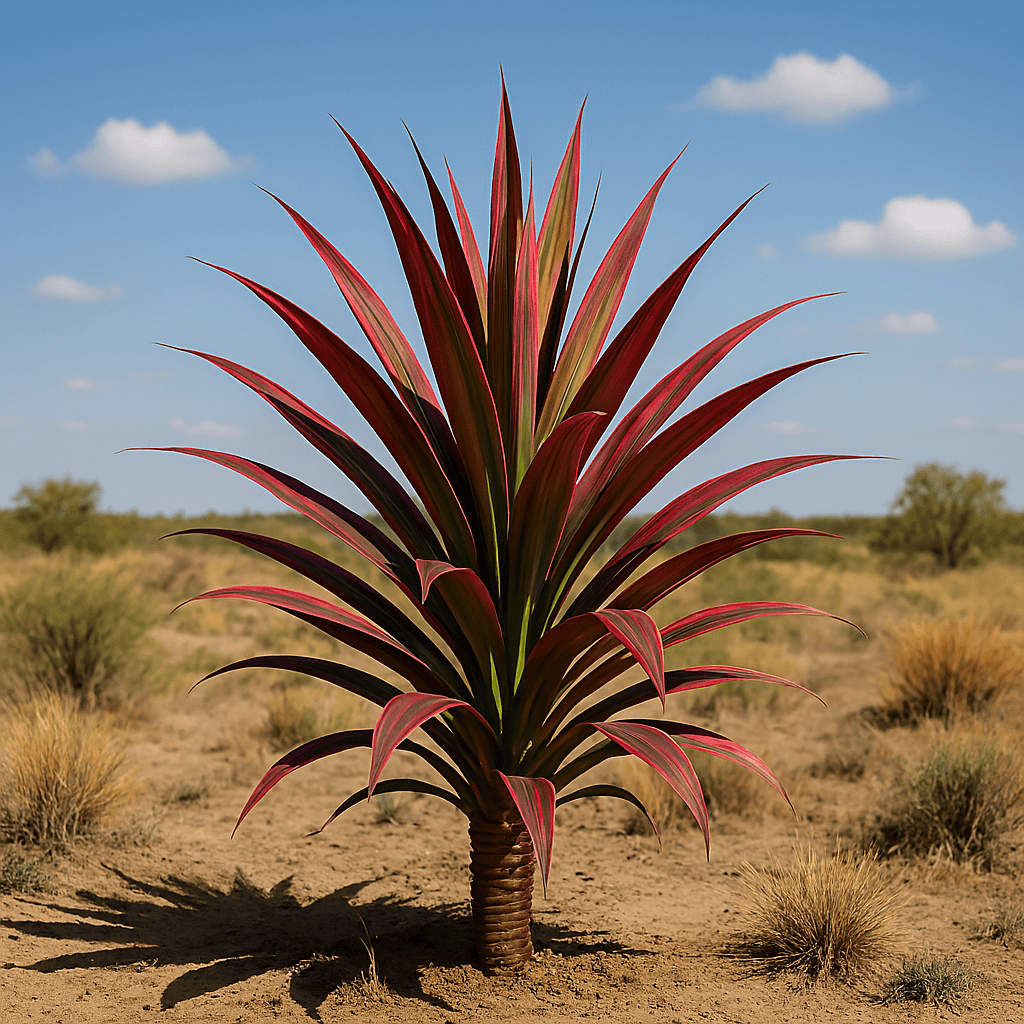
To be care healthy growth Cordyline plant, it requires bright, indirect light, well-draining soil, regular watering, proper temperature and humidity.
Introduction
Cordyline plant is known for its bright colour and also common decorative plant. It has leathery, spikey leaves with variety of colours like red, yellow, purple.They are not only popular for their vibrant foliage but also have a rich cultural significance.
Scientific classification
- Kingdom: Plantae
- Clade: Tracheophytes
- Clade: Angiosperms
- Clade: Monocots
- Order: Asparagales
- Family: Asparagaceae
- Subfamily: Lomandroideae
- Genus: Cordyline
- Species: C. fruticosa

Prefers
- Light – Medium to bright indirect light
- Soil – Well draining
- Soil pH – 6.0 and 6.5
- Temperature – 60°F and 80°F
- Humidity – 50-70%
- Blooming time – February or March
- Flower colour – White, pink or Lavender
- Native area – Eastern Australia, Southeastern Asia
- Toxicity – Human and pets
Cordyline plant care with some tips
Adequate amounts of water, light, soil, temperature and fertiliser should be obtained for the plant to grow. The problems and benefits of the plant have also been shared in this article. This article will help you with all the essentials you need to grow your plant.
If you want to know Rainbow elephant bush care.
Light
Cordyline plant prefers bright, indirect light but avoid direct sunlight. Green leaved cordyline can tolerate direct light, while those with other colour leaves may need indirect light. Too much exposure, as this may lead to leaf burn. Place indoor plants near a window and make sure to rotate the plant occasionally to ensure even growth.
Water

This plant needs water when the soil feels dry and water will be added until water is flowing out of the drainage hole. Avoid overwatering, it can lead to rooten roots. Don’t give tap water because tap water is convenient, it often contains high salts, chlorine, and fluoride levels that can build up and dry soil over time.
Soil
Cordyline plant grow best in neutral to alkaline soil with pH of 6.5 to 8.0. A good potting mix for cordylines combines potting soil, perlite, and compost. It prefers well-draining soil and should not be planted in heavy clay soils.
Temperature & humidity
The ideal temperature between 60°F and 80°F and can tolerate slightly cooler temperatures but are sensitive to frost. When the temperatures below 50 degree Fahrenheit, it can lead to stress while temperature exceeding 90 degree Fahrenheit.
This plant thrives in a releative of humidity 40-50% to keep those leaves lush. If you can increase humidity level, use a humidifier.
Fertiliser
To make your plants grow faster, apply fertilisers when the plant starts flowering. It may cause plants to produce excessive foliage at the expense of blooms. This helps the plant get enough nutrients to continue to grow. A balanced fertilizer with a 10-10-10 mix of nitrogen, phosphorus, and potassium (NPK) can provide the nutrients your plant needs. You can feed the plant weekly during the growing season and make sure don’t fertilise during the winter.
Propagation of Cordyline plant care

Propagation is the process when you want to grow up another plant. The best time to take your plant cutting for propagation is growing season when the plant actively grow healthy. It is easily propagate by stem cutting. Cut the mature stem and also remove all the leaves from the stem. Produce the proper care and grow a healthy plant.
Pruning of Cordyline plant care
A healthy cordyline plant should have stems different heights upto 3-4 ft. Remove dead leaves and trim the top to encourage bushier growth. You can cut the main stem just above a sideshoot. Pruning is the essential part of its care that keeps your plant healthy and encourage growth.
Trimming your plant for new growth to produce more new branches. It can be prune to encourage branching, remove irregular growth and maintain their shape.
Use clean, sharp pruning shears to make cuts and reduce the risk of damaging the plant. After pruning new stems grow with proper care.
Types of Cordyline plant
- Red sister : Red sister plant is also known as Ti plant. It can be relatively easy to grow indoors as long as its high humidity needs.
Water regularly and deeply during growing season to develop root system. - Red star : Another variety of Cordyline plant is Red sister Cordyline plant, it is a tropical plant with sword like leaves. This plant has striking dark bronze red and cream striped variegated leaves.
- Baby doll : This plant is a palm like evergreen shrub with a strong usually unbranched stem which is known as a smaller foliage.
- Cherry Sensation: It has deer resistant, evergreen, grass like shrub with narrow maroon leaves.
Water when the top 25–50% of soil is dry. In winter, water less frequently. - Tangelo : Cordyline Tangelo features vibrant orange and green variegated leaves that add a tropical flair to the garden. Its compact size and easy-care requirements make it an excellent choice for adding colour.
Repotting of Cordyline plant care
Spring is the best time for repotting your plant. When repotting, choose a larger pot any material with adequate drainage holes. Repotting is important if you want to grow more than one of your favorite plants. Carefully remove the roots and place the plant in the new pot. Avoid repotting during slow growing season or immediately after a stressful event, such as a pest infestation. If you have used a high quality soil, repotting cordyline every two to three years.
Common problem of Cordyline plant care

- Overwatering is a common culprit behind the flower drop in Cordyline. When the roots set in soggy soil, they can develop root rot.
- Yellow and browning leaves can causes by cold, wet weather in winter, or drought and heat stress in summer.
- Aphids, Spiderlike and Mealybugs can damage cordyline plants by sap from the leaves, which can cause the leaves to yellow or die.
Benefits of Cordyline plant care
- Cordyline plant can positively impact mood, reduce stress and boost your energy.
- The most common benefits are air purification, its remove toxins from the air. Removes volatile organic compounds and converts carbon dioxide into oxygen.
- Cordyline plants are relatively easy to care for, requiring only occasional watering and occasional fertilising.
Cordyline plant Faq
1. How to control height of Cordyline plant?
Ans. I would prune them to the desired height, once you start seeing a new flush start to emerge treat them with the inhibitors.
2. Does Cordyline come back year after year?
Ans. This plant comes back yearly as perennial only in warmer and humid conditions.
3. Why this plant consider as a lucky plant?
Ans. This plant is considered to have mystical powers that brings good luck and long life.