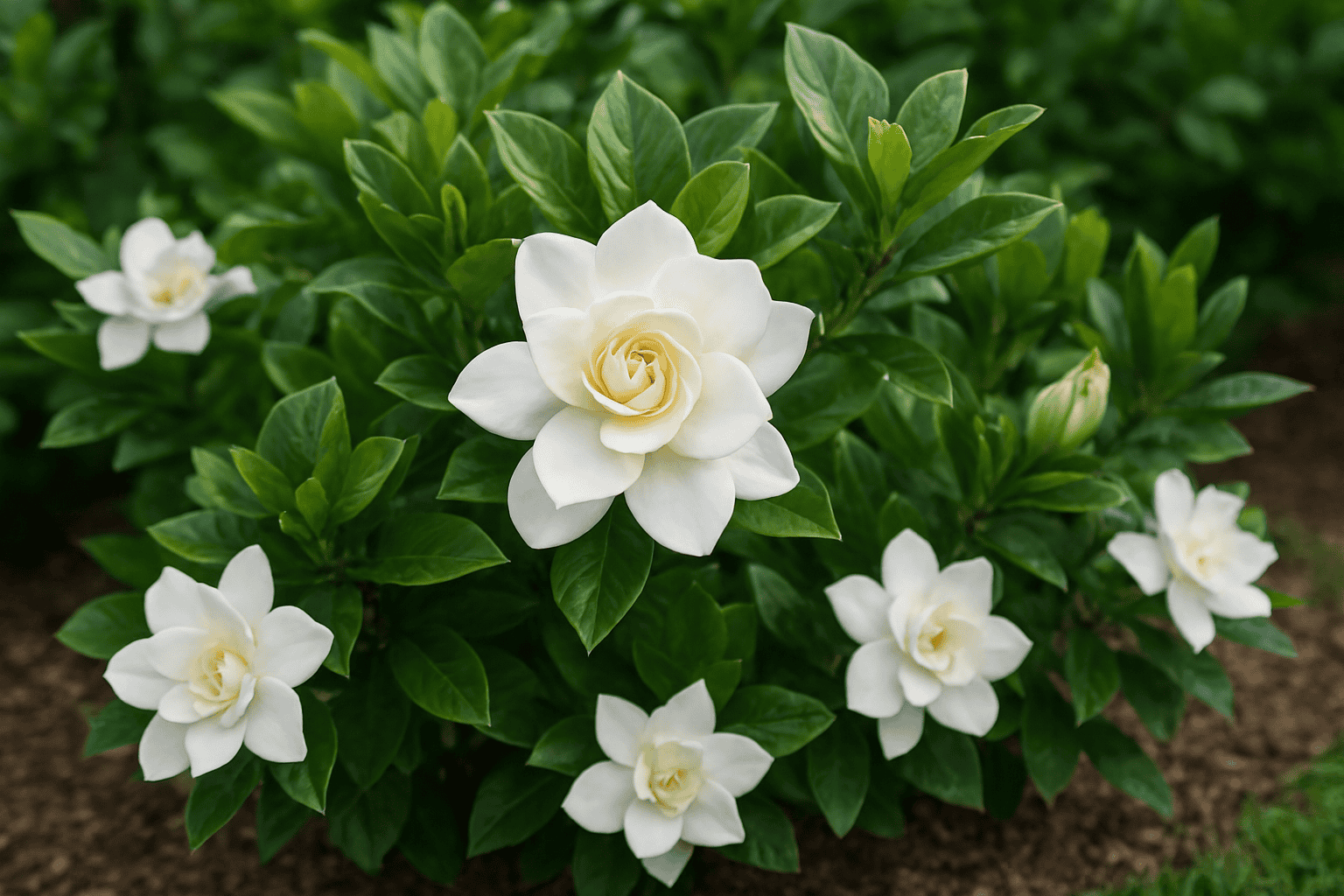
Gardenia plant has tropical, broadleaf evergreen leaves with magnificent-smelling blooms. The flowers are white turning to creamy yellow and have a powerful, sweet fragrance, and can perfume an entire room. It grow best in warm, humid conditions.
Scientific classification
- Kingdom: Plantae
- Clade: Tracheophytes
- Clade: Angiosperms
- Clade: Eudicots
- Clade: Asterids
- Order: Gentianales
- Family: Rubiaceae
- Subfamily: Ixoroideae
- Tribe: Gardenieae
- Genus:Gardenia

Prefers
- Light – Bright, indirect light
- Soil – Well draining
- Soil pH – 5.0 to 6.5
- Temperature – 70–75°F
- Humidity – 60%
- Blooming time – Late Spring
- Flower colour – White
- Native area – Africa, Asia, Madagascar
- Toxicity – Human and pets
Gardenia plant care with some tips
Adequate amounts of water, light, soil, temperature and fertiliser should be obtained for the plant to grow. The problems and benefits of the plant have also been shared in this article. This article will help you with all the essentials you need to grow your plant.
If you know about the types Vastu indoor plant.
Light
Gardenia plant prefers bright, indirect light, especially during the summer. Place your plant where they can get four to six hours of sunlight.Too much can cause by sunburn and also the leaves are turning yellow. If you notice that your plant leaves get yellow then move the plant in shade area.
Water


Water when the top inch of soil dry and keep the soil consistently moist but not soggy. It should be watered 2-3 times per week for the first 6 weeks. In the winter, reduce watering and only keep the soil slightly moist.Overwatering can cause root rot, so be sure to check the soil before watering.
Soil
This plant prefers well draining with acetic soil with lots of organic matter. It grow best in a pot with good drainage. Ingredients should include peat moss, sand, and perlite.The proper soil can bushy your plant growth if the top inches of stem is pinching off.
Temperature & humidity
The ideal temperature of Gardenia plant is between 60-70 degree Fahrenheit. This plant prefers warm days and cooler nights. Gardenia plant prefer high humidity levels, around 60%. To maintain proper humidity, Use a humidifier or pebble tray for indoor plants.They seem to grow best in humid areas and don’t tolerate drought or arid conditions well.
Fertiliser
To make your plants grow faster, apply nutrient-rich fertilisers when the plant starts flowering. It may cause plants to produce excessive foliage at the expense of blooms.Feed plants every three to four weeks during the growing season. It has an NPK ratio of 9-3-6 and includes other essential nutrients, including calcium, magnesium, sulfur, copper, iron, magnesium, and zinc.
Propagation of Gardenia plant care
The best time to take your plant cutting for propagation is growing season when the plant actively grow healthy. The most common method for propagating through stem cuttings which is best in early Summer. The stem should be prefers green at this end.To encourage root growth, dip the bottom of the cut stem in root hormone. The cutting should be at least 5 inches long and taken from the tip of the branch.
Use a sterilised scissors to cut the multiple divisions part of the plant with proper care. Replant each in a new location and keep it well watered until you see new growth in a few weeks.
Pruning of Gardenia plant care

Pruning is the essential part of its care that keeps your plant healthy and encourage lush growth. Trimming your plant for new growth to produce more new branches.This plant doesn’t like hard pruning like rose so prune them after flowering.
Late May or early June is the best time to pruning your plant. You can leave a few yellow leaves on the plant until fall, but if there are too many, you can cut them off. Make sure to trim just above a set of leaves and regular pruning will also increase the chances of the plant producing its stunning, fragrant flowers.
Types of Gardenia plant
- Gardenia radicans : Anothet variety of Gardenia plant is Gardenia radicans, it is easy to care shrub with sweet smelling white flowers. This plant prefers moist, well draining soil that is slightly acidic.
- August beauty : This plant has large, sweetly fragrant with velvety white evergreen foliage. It prefers full sun, some shade is appreciated during the warmed months.
- Crown jewel : Another variety of gardenia plant is crown jewel gardenia, it is small evergreen shrub with dark green leaves and double white flowers.
- Frostproof : This evergreen plant has lustrous, dark green foliage with large, fragrant white flowers. It prefers warm, sunny climates with mild humidity levels.
- Gardenia taitensis : Gardenia taitensis is also called Tahitian gardenia, it has dark green leaves.It used to antiseptic, anti-inflammatory and other medicinal uses.
Repotting of Gardenia plant care
Gardenia can be grown in large pots with good drainage. This process can stress the plant so only do it when necessary. The best time to repot your plant in early spring. After the flowers bloom then the energy shifts to root development and making it the ideal time to repot.
You can also repot if the plant is root bound and use a high-quality, peat-based potting mix with a low pH. You can also repot if your plant looks like vibrant but has no insects or disease.Carefully remove the excess amount of soil from the root before placing this plant in a new container.
Common problem of Gardenia plant
- The most common problem is yellow leaves can be caused by poor drainage, root problems and over or under watering.
- Canker is the disease in gardenias. One of the most common gardenia diseases. The main stem is swollen near or below the soil line.
- Another common problem is low humidity, the leaves turn into brown tips. Root rot caused by a soil mix that doesn’t drain well or overwatering.
Benefits of Gardenia plant


- This plant brings positivity and good luck. It contains a chemical that might reduce insulin resistance and help prevent high blood sugar.
- In medical uses, to treat a range of conditions, including jaundice, headaches, fever, inflammation, and hepatic disorders.
Gardenia plant with Faq
1. What is the lifespan of Gardenia plant?
Ans. It can live up to 50 years in the right conditions with proper care.
2. How do I take care of my gardenia?
Ans. It prefers bright, indirect light with moist soil and balanced fertiliser.
3. Which flowers are good alternative to gardenias?
Ans. Jasmine, camelias are great alternative to gardenia’s.