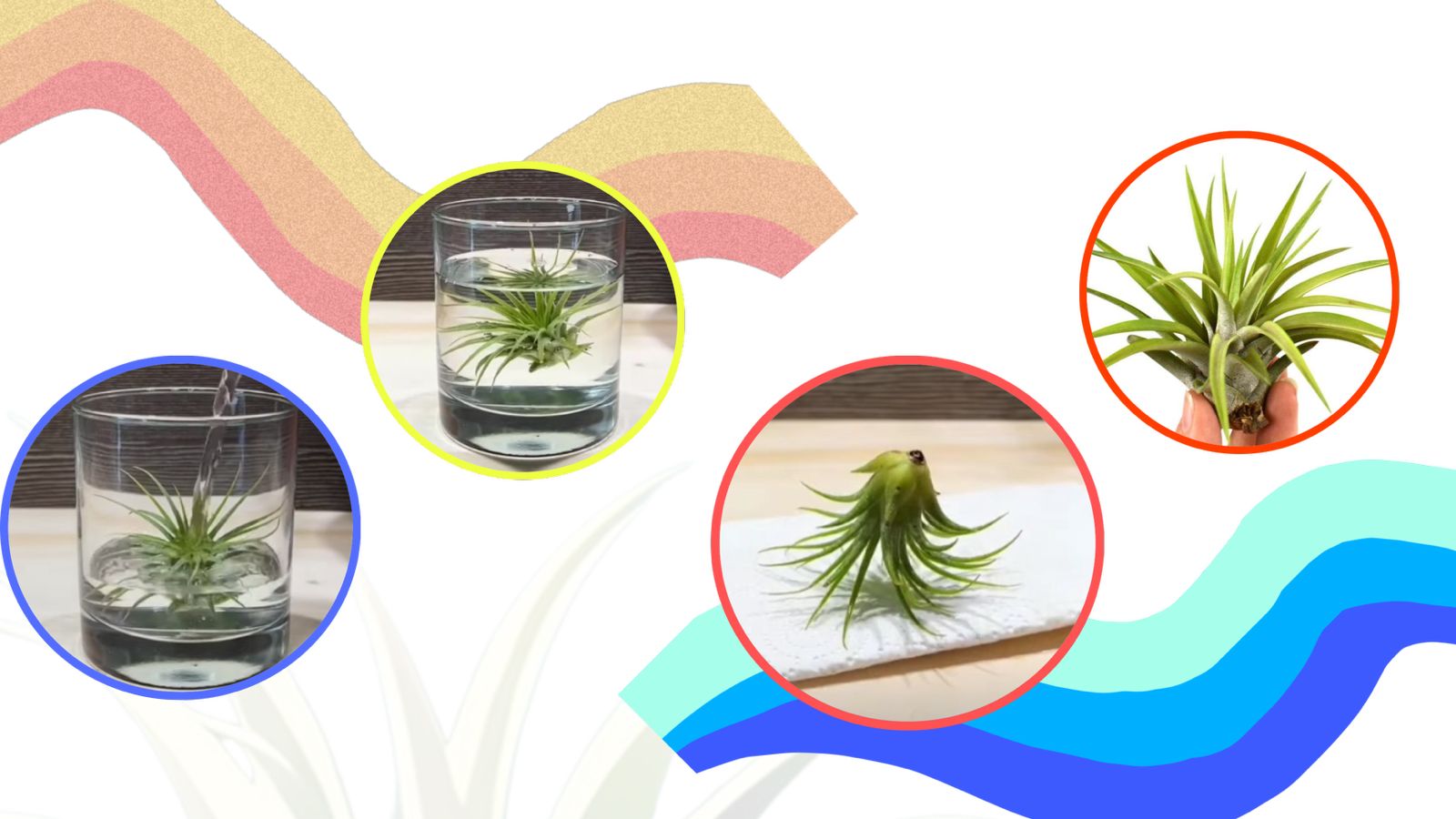
tillandsia Air plant get nutrients from the soils, water and also from air around them. Tillandsia air is easy to care plant. It has silver foliage tend to be the most drought tolerant plant.
Page Content
INTRODUCTION
Are you looking for a unique plant that grows without soil then bring home an air plant. Tillandsia air plant have narrow, strap shaped leaves that grow in a rosette pattern. Tillandsia air plant care for beginners can be low maintenance and easy to care for your home.
In this article I share how I have taken care of my tillandsia air plant. Plant lovers like me can grow indoor plants of their choice in short time.
Scientific classification of tillandsia air plant
- Kingdom: Plantae
- Clade: Tracheophytes
- Clade: Angiosperms
- Clade: Monocots
- Clade: Commelinids
- Order: Poales
- Family: Bromeliaceae
- Subfamily: Tillandsioideae
- Genus: Tillandsia


tillandsia air plant Prefers
- Light – Bright, indirect light
- Temperature – 50-90 degrees Fahrenheit
- Humidity – 60% to 80%
- Bloom time – Lifetime
- Flower colour – Red, Yellow, Purple and Pink
- Native area – Tropical & Subtropical America
- Toxicity – Non toxic
Tillandsia air plant Detailed care tips
Adequate amounts of water, light, and soil should be obtained for the plant to grow. The problems and benefits of the plant have also been shared in this article. This article will help you with all the essentials you need to grow your plant.
Light
Tillandsia air plant should be placed in where they will receive bright, indirect light. Avoiding prolonged sun exposure which can easily burn the leaves. Place your plant at south facing windows and fall winter when light is more intense from shining in at lower angle.you keep them well watered, they can tolerate hotter, more direct sun, and longer exposure.
Water (most important)


Tillandsia air plant prefers regular watering, these plant grow without soil. Water your plant in the morning to ensure they get enough time to fully dry. Depending on season, this plant needs to be water different frequency. In the summer, they like to be bathed once a week but the cold season, once every three weeks.
Air plants absorb all of their water and nutrients through their leaves. The best option for you to use in rainwater or filtered water. You can also use a misting bottle in spraying your air plants, apply this method at least once a day, less or more when needed.
All of the above are common watering methods. Tillandsia air plant should be immersed in water for one to half an hour. After that, should be placed upside down on a paper for drying. When the water drains, you put the plant back in the pot.

Soil
Tillandsia plant is does not require soil to survive. However, some air plants such as staghorn ferns, some species of moss can adapt to grow in soil, require extremely arid, well draining mix soil.
If you like the plant then definitely you wants the variety of this plant. to check this
Temperature & humidity
The ideal temperature range for Tillandsia is 50-90 degrees Fahrenheit. Protect your plants from anything cooler than 45 degree Fahrenheit. If you keeping your plants outside for the summer, make sure to bring them in well before the first frost avoid killing them.
Tillandsia plant prefers warm and humid conditions. Air plant is a moisture absorbing plant, they get their moisture and nutrients from the air so its love humidity. If your room is dry in winter, add a humidifier. The perfect air plant humidity is between 50-70%. This plant is great for bathroom space because they can absorb humidity from the shower.
Fertilizer
During the growing season like Spring and summer, apply the pre-mixed liquid fertiliser with a spray bottle once a month. If you want to give your plant extra boost, you can fertilise them once a month in addition to regular watering. This plant needs dilute fertiliser, since they are sensitive and will burn if given normal fertiliser.
Tillandsia air plant propagtion


Propagation is a method by which you can make many plants of your choice. The most of the epiphytes plant, like tillandsia air plant can be propagated through the pup removal. You can easily propagate tillandsia air plant in the Spring when it starts active growth. Pups are always genetically identical to original plant. You will need to separate the pups once they get to around of their mother plant.
Use a sharp knife, carefully lay the mother plant on its and cut away the pups. Air plants are healthy and established will begin to grow pups.
Pruning of Tillandsia air plant
Pruning is the essential part of its care that keeps your plant healthy and encourage lush growth. Trimming your plant for new growth to produce more new branches.Make sure to trim just above a set of leaves and regular pruning will also increase the chances of the plant producing its stunning, fragrant flowers.
Trim these plants once a year and remove dead or yellow leaves. Use a sterilised scissors and trim damaged al leaves and leaving only healthy leaves. After watering, old leaves can absorb extra moisture it causing rot so it’s best to cut them.
Repotting the tillandsia air plant
Air plant is the easiest plant to move because they are not rooted in soil. This plant is requires no soil and receives their nutrients from the environment. Air plants can thrive in any kind of container or pot.This plant reports the time to shift home and shifts to larger containers. If the plant gets proper water, light, fertilizers, temperature, it will grow as before.
Common problem of Tillandsia air plant
- Too much or too little water can kill your plant. If the leaves falling off or your plants begins to turn black or brown, this is a sign that it’s beginning to rot from too much water.
- Signs of underwatering your plant turn into crispy leaves.The natural concave shape of air plant leaves tends to become more exaggerated when under-watered.
- The most common problem is pest attacks such as Spider-mites, it is indicates that yellow leaves, thrive in dry conditions.

Tillandsia air plant types
read more
Benefits of Tillandsia air plant

- This plant can help to purify the air and create a positive environment in your home or office.
- Tillandsia plant is non toxic pet friendly plant.Having a pet at home will not be a problem.
- They can adjust any situation into any space and be placed in any container.