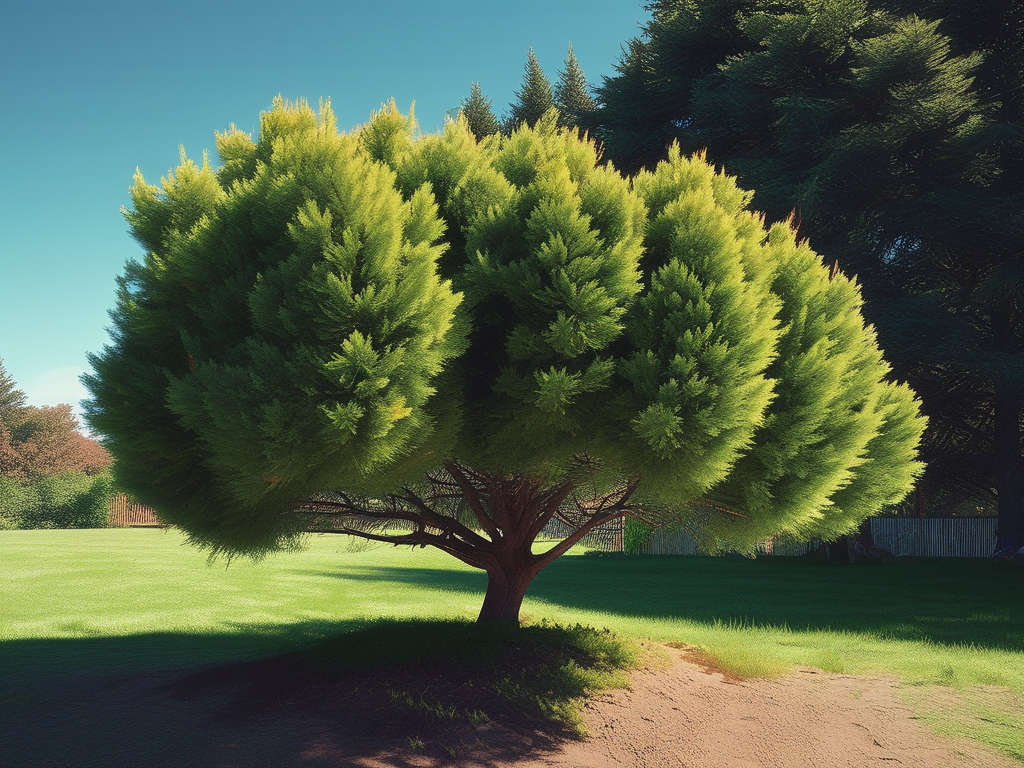
Thuja tree that requires bright, indirect light, loamy soil, and adequate humidity. It prefers temperatures of 60-75°F and can tolerate various soil types. Propagation can be done through seeds or cuttings, and pruning is essential for healthy growth.
Page Content
Introduction
This is a cone-shaped tree with a bushy part where birds nest. This varieties are low maintenance and is much easier to properly nurture thuja cultivater. Thiscompacta more commonly known as morpankhi in India is an evergreen tree which can gain height from 10 feet to around 200 feet.
I have shared this article on how to grow this plant with care in my house. I hope it will help you.
Scientific classification of thuja tree
- Kingdom: Plantae
- Clade: Tracheophytes
- Clade: Gymnospermae
- Division: Pinophyta
- Class: Pinopsida
- Order: Cupressales
- Family: Cupressaceae
- Genus: Thuja
- Species: T. occidentalis

thuja tree Prefers
- Light – Bright, indirect light
- Soil – Loamy soil
- Soil pH – 5.0 – 5.3
- Temperature – 60-75 degrees Fahrenheit
- Humidity – 60 to 70%
- Bloom time – November- December
- Flower time – White
- Native area – North America
- Toxicity – Human and pets
Thuja tree Care
Adequate amounts of water, light, and soil should be obtained for the plant to grow. The problems and benefits of the plant have also been shared in this article. This article will help you with all the essentials you need to grow your plant.
Light


This tree prefers bright, indirect light and it grows well under all circumstances. Place it where this plant gets a minimum of six hours or more of direct sun per day. Thuja can tolerate partial shade with better foliage colour, density and overall growth. When the plant gets too much direct light the leaves become turn brown and die.
Water
Thuja tree need water everyday upto first 2-3 months until the plant are established. To ensure after growing, get water when the soil is dry. Adding water once every 2-4 weeks is sufficient during the cold season. This mature plant requires more water. Too much watering your plant becomes turning brown and the plant is becoming yellow then your plant is under-watering.
Soil
Although this plant is prefer slightly acidic soil, keep the soil moist but not soggy. It is adaptable to various soil types including loam, sandy loam and clay soils but thrives in these conditions. Care must be taken to ensure that the water drainage of the pot is correct, otherwise water may accumulate and destroy the plant roots. It can adapt to a wide range of soil types, from sandy soil to dirt heavy with clay.
Temperature & humidity
Generally this plant is hardy and can tolerate wide range temperatures. The ideal temperature is 60-75 degrees Fahrenheit. But extreme temperature fluctuations of excessive heat or cold can stress the plant.
Thuja is drought tolerant Plant, it grow generally any humidity of the air. Not necessary to humidify it from a spray bottle or humidifier. In cold regions, thuja appreciates to protect from strong winds and heavy snow loads when they are young.
Fertilizer

Fertilizer is most important part of your tree’s growth. This thuja tree roots ball have been thoroughly soaked, you should also use liquid fertiliser to encourage new growth. During the growing season like Spring or early Summer, feed your plant liquid balanced fertiliser. Regular feed the thuja with the organic fertiliser GREENODIN BROWN for optimal development and growth.
Propagation of Thuja tree
The most of the evergreen Plant, like thuja can be propagated through the seeds and cuttings. Propagation of cuttings is the most popular method.This process determines which traits the plant will carry to its next generation.
Choose a healthy mature plant for propagation, the best time is early morning it will be well hydrated and resulting in a high success rate. Use a sterilised knife to cut the below of node. Remove any foliage from the lower end of the plant.
To increase the success rate applying the rooted hormone. This stimulates root growth and helps the cuttings establish quickly. Place it the appropriate location where have bright indirect light and well draining soil.
Thuja tree types
there are many types of thuja plant If you confuse with the lets see
Pruning of Thuja
Pruning is the most important part of your thuja tree growth. Prune any damaged or dead leaves before dropping their own. The best time is early spring, avoid pruning later in the summer. Variety of thuja is well suited to a hedge style trimming.This process promote your thuja plant and make them bushier. High amounts of magnesium as well via water soluble fertilizers. Thuja grows quickly during cooler periods.
Common problem of Thuja
- The most common problem of thuja tree is a fungal disease caused by Didymascella thujina that attacks the leaves and it can be badly damaged.
- If the tree pot drainage is not good, then more water accumulates, overwatering and planting Thuja hedging in waterlogged soil can cause the roots to start rotting, affecting the overall health of the plant.
- Many times, thuja tree turn black because pet urine mixes with the plant’s soil.

Benefits of Thuja tree
- The leaves of thuja tree used as a medicine. It is used for respiratory tract infections such as bronchitis, bacterial skin infections and also used for painful conditions including osteoarthritis and a nerve disorder that affects the face called trigeminal neuralgia as per rxlist.
- Its have another benefits, this plant is excellent remedy for dry hair and used when dry, brittle, crimpy hair is rough with a lack of shine.
- Thuja occidental is also showed significant antibacterial activity against bacteria and fungi.