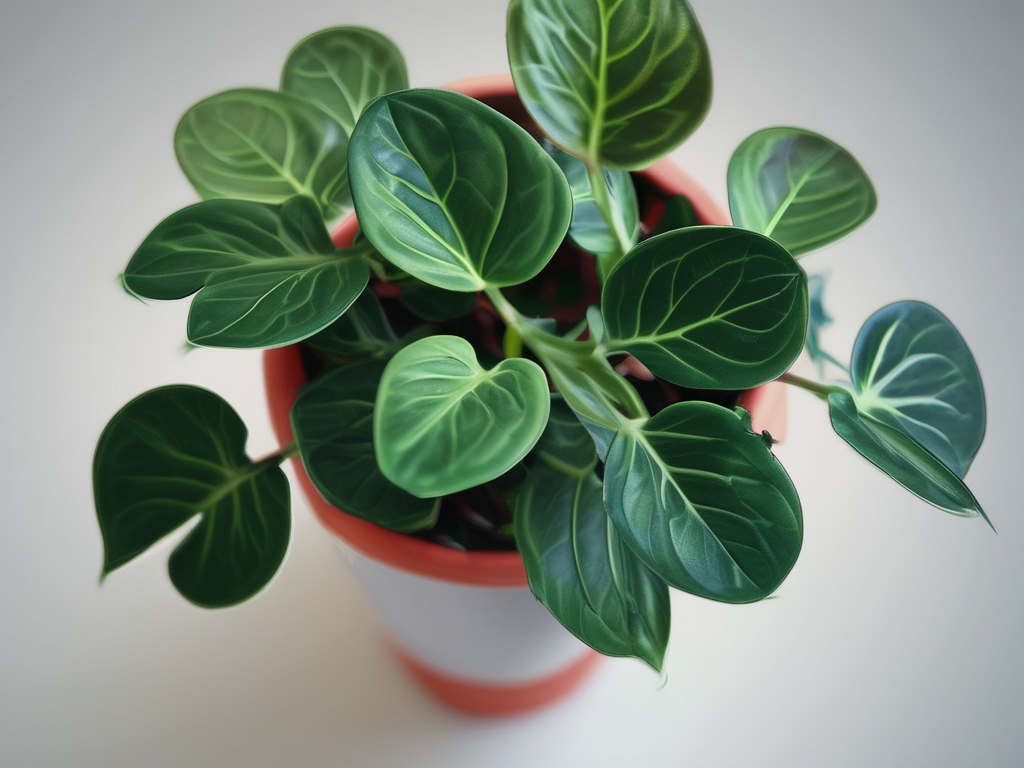
Origin and Introduction
Peperomia thrives in medium to bright indirect light, requires well-draining soil, and prefers warm temperatures. With low maintenance needs and air-purifying benefits, Peperomia is a popular choice for home gardens, contributing to a healthy indoor environment.
Peperomia is one of the two large genera of the family Piperaceae. This plant is occurring in all tropical and subtropical regions of the world. It’s grown their foliage rather than their leaves. Peperomia is a commonly grown, low maintenance indoor plant. Features are thick, fleshy leaves that store the water.
These leaves come in variety like some species of leaves are smaller than a dime and others as large as a football. There are variety of leaves make white and cream. The thick, flashy leaves are drought tolerant. Grow your Peperomia green plant in your home with some important tips.
- Origin and Introduction
- Scientific classification peperomia green plant
- Prefers peperomia green plant
- Peperomia Green Plant Care
- Peperomia Green Plant Propagation
- Peperomia Green Plant Pruning
- Common problem of Peperomia Green Plant
- Peperomia Green Plant Benefits
Scientific classification peperomia green plant
- Kingdom: Plantae
- Clade: Tracheophytes
- Clade: Angiosperms
- Clade: Magnoliids
- Order: Piperales
- Family: Piperaceae
- Genus: Peperomia
- Species: P. obtusifolia


Prefers peperomia green plant
- Light – Bright, indirect light
- Soil – Mix well draining
- Soil pH – 6.0 to 6.5
- Temperature – 65-80°F
- Humidity – 40 to 50 %
- Bloom time – Spring and Summer
- Flower colour – White or Green
- Native area – Ecuador and Peru
- Toxicity – Human and pets
Peperomia Green Plant Care
Mentioned some important points in this article based on my own experience. How long does the plant grow, how often to water the plant, where to keep the plant, all the details are described below.
Light
Most varieties of Peperomia plants prefer medium to bright indirect light, but can tolerate low, indirect light. It can survive in low light, or in artificial light, areas with infrequent watering.
This plant can adapt to medium and low light, but growth may slow. Keep out of direct sunlight, which can burn the leaves.
Peperomia plants are not suited for intense, direct sun. If they are in a shadier spot it’s a good idea to reduce watering. Keep them out of direct sunlight, which will scorch the leaves.
Water


Check the moisture level by inserting your finger into the soil.Water thoroughly when the top inch feels dry. It can be slow to root in water.
Be patient and give them time to develop roots. Water your plants only once in a week and let all the excess water drain out of the drainage holes of the pot.
Soggy soil can lead to root rot. This plant leaves are succulent like so it’s need to frequent watering.Expect to water more often when your plant is in brighter light and less often in lower light.
Soil
Peperomias like a light but rich mix which drains well. It’s prefers Miracle-Gro Indoor Potting Mix, which, as a lightweight, well-drained soil, will help your plant from becoming waterlogged or developing root rot.
A well-draining mix is essential. This keeps the roots aerated and prevents them from becoming stressed from overwatering.
The good mix to try is an indoor plant potting mix with added bark, perlite, and horticultural grit. They rot out easily so you want the mix to contain a good amount of something like coco coir.
Temperature & humidity
Peperomia plants are hardy to USDA zone 10, so they cannot handle freezing temperatures.The ideal temperature range for the Peperomia Green Creeper Plant is between 65-80°Fahrenheit.Give this plant warm temperatures of at least 55 degrees Fahrenheit.
It will tolerate most temperatures above 55 degrees Fahrenheit, but prefer temperatures no higher to 80 degrees Fahrenheit. Treat a peperomia like a tropical plant.
Understanding the typical humidity range in your Peperomia plant’s native habitat. It is the measure of water vapor in the air, expressed in grams per cubic meter. Its prefers 40-60% relative humidity to thrive.
Use a hygrometer to monitor and maintain ideal humidity levels. It is easy to grow peperomia in your bathroom because of the high humidity levels.
Fertilizer
During the growing season like Spring and Summer fertilise your plants. Fertilise peperomias with an indoor plant fertiliser like Scotts Osmocote Pour+Feed for indoor plants once a month to encourage strong healthy growth.
An NPK ratio of 2-2-2 or 6-4-4 is recommended, striking a balance that supports both growth and blooming.
Peperomia Green Plant Propagation


There are various way to propagate your Peperomia plant. Pick a stem with at least four leaves from the mother plant that appears healthy. Peperomia can also be propagated by leaf cuttings. Remove the bottom two leaves from the cutting after cutting this stem slightly below the lowest leaf.
It can be slow to root in water. Be patient and give them time to develop roots. You can try using rooting hormone on the cut ends of the stems before placing them in water.
Propagating by stem cuttings is the easier and more successful method, which makes it more popular and well-known. Stem cuttings can be propagated in both water and soil.
Peperomia Green Plant Pruning
Pinching back the stems just above a leaf node helps maximize the plant’s lush appearance by encouraging more branching. Lightly prune peperomia plants in the early spring to correct leggy, sparse growth. When pruning, use clean, sharp pruners.Cut above a node or where the leaves emerge on the side of the stem.
These plants can grow up to three to four feet every year. Since they don’t need a lot of water, peperomia are very low-maintenance and simple to care for.
Common problem of Peperomia Green Plant
1. The leaves fall off because of a lack of light, underwatering, or overwatering. Ensure your plant gets plenty of indirect light and allow the soil to dry slightly between waterings and then water thoroughly.
2. Leggy growth or root rot are common problems due to poor light or overwatering. Its requires proper watering, light optimization, and regular pruning.
3. Droopy leaves, mushy stems, and moldy soilare signs of overwatered Peperomia.Overwatering can lead to root rot, a nasty condition that’s often a death sentence for your plant. Nitrogen and potassium are the most frequently observed nutrient deficiencies of peperomias.


Peperomia Green Plant Benefits
- This plant has air-purifying qualities, its indoor pollutants, stripping the air of nasties like formaldehyde. According to NASA research, Peperomia plants can remove harmful chemical particles from the air.Peperomia can reduce formaldehyde levels indoors by 47%.
- Peperomia plants are low maintenance and pet friendly. It’s considered a lucky charm, and its gifting serves as a calming assurance.
- Peperomia is safe around curious little ones. Ingestion rarely harmful, but watch for symptoms and seek medical advice if needed. The speed of growth and its ability to prolifically reproduce, being a great plant to share with friends.