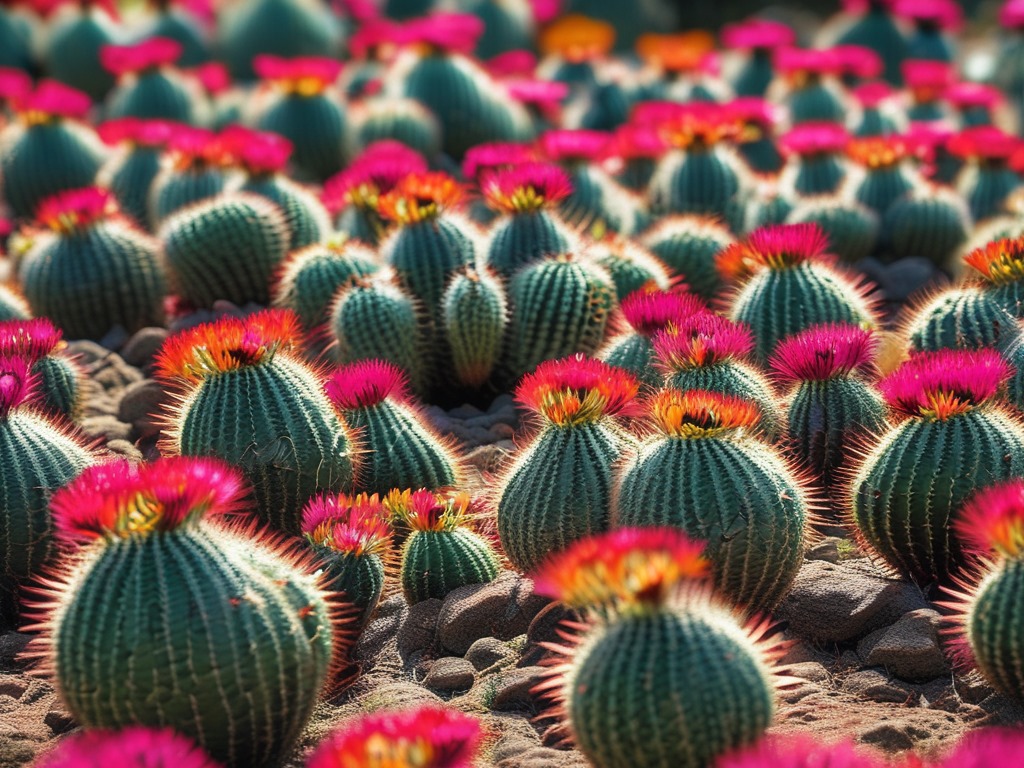
I have shared this article on some of the colorful varieties of Cacti plants that I have added to my garden.

Types of Cactus plant
- Barrel Cactus (Ferocactus sp.)
- Christmas Cactus (Schlumbergera sp.)
- Prickly Pear Cactus (Opuntia sp.)
- Saguaro Cactus (Carnegiea gigantea)
- Fishhook Cactus (Mammillaria sp.)
- Organ Pipe Cactus (Stenocereus thurberi)
- Dragon Fruit Cactus (Hylocereus undatus)
- Bunny Ears Cactus (Opuntia microdasys)
- Moon Cactus (Gymnocalycium mihanovichii)
- Golden Barrel Cactus (Echinocactus grusonii)
- Star Cactus (Astrophytum asterias)
- Pincushion Cactus (Mammillaria crinita)
- Fairy Castle Cactus (Acanthocereus tetragonus)
- Old Lady Cactus (Mammillaria hahniana)
- Fishbone Cactus (Epiphyllum anguliger)
- Ladyfinger Cactus (Mammillaria elongata)
- Arizona Barrel Cactus (Ferocactus wislizeni)
- Old Man Cactus (Cephalocereus senilis)
- Silver Ball Cactus (Notocactus scopa)
Types of Cactus plant
1. Barrel Cactus (Ferocactus sp.) is types of Cactus Plant

Barrel cactus reach over 1 metre in height at maturity, and have been known to reach 3 metres in some regions. It grow into a squat tubular shape, giving it the appearance of a very spiky ribbed barrel. They don’t contain any toxic substances that could harm pets or children if accidentally ingested.
2. Christmas Cactus (Schlumbergera sp.) is types of Cactus Plant


Christmas cactus or Schlumbergera is a small genus of cacti with six to nine species found in the coastal mountains of south-eastern Brazil. Keep the temperature above 70 degrees Fahrenheit in the daytime and from 55 to 65 degrees Fahrenheit at night. It thrive in bright indirect to medium indirect light. They are not suited for long periods of intense, direct sun.
3. Prickly Pear Cactus (Opuntia sp.) is types of Cactus Plant


Prickly pear cactus is a genus of flowering plants in the cactus family Cactaceae, many known for their flavorful fruit and showy flowers. It is promoted for treating diabetes, high cholesterol, obesity and hangovers. It’s also touted for its antiviral and anti-inflammatory properties.
4. Saguaro Cactus (Carnegiea gigantea) is types of Cactus Plant


The saguaro is a tree-like cactus species in the monotypic genus Carnegiea that can grow to be over 12 meters tall. It is native to the Sonoran Desert in Arizona.The saguaro provides both food and shelter for a variety of desert species.
5. Fishhook Cactus (Mammillaria sp.)


Fishhook cactus is a common name for any hook-spined species of the genera Mammillaria.The name is especially applied to various small cacti of the genera Sclerocactus and Mammillaria but also to species from other genera, such as Ferocactu.
6. Organ Pipe Cactus (Stenocereus thurberi)


Organ-pipe cactus is characteristic of warmer rocky parts of the Sonoran Desert in Baja California, Sonora and southern Arizona.To these early cultures, the organ pipe cactus or chuhuis, was a survival tool that provided construction mate- rial and high calorie fruit that could easily be turned into preserves, syrup, and wine.
7. Dragon Fruit Cactus (Hylocereus undatus)


We call this plant a fruit, but dragon fruit is actually considered a cactus. They have scaly skin that can be pink or yellow, while the inside flesh may be red or white with tiny, black seeds.Avoid overwatering and ensure your potting mix is well-draining. They can handle heat, drought, humidity and poor soils but will grow tastier fruit with regular watering and rich soil.
8. Bunny Ears Cactus (Opuntia microdasys)


Bunny Ears Cactus is a species of flowering plant in the cactus family Cactaceae, native and endemic to central and northern Mexico. It needs full sun in the summer months and should be grown in a pot with cactus potting soil to prevent root rot.
9. Moon Cactus (Gymnocalycium mihanovichii)


Moon Cactus is a species of cactus from South America. The most popular cultivars are varied mutants which completely lack chlorophyll, exposing the red, orange, or yellow pigmentation.
10. Golden Barrel Cactus (Echinocactus grusonii)


Golden Barrel Cactus is a species of barrel cactus which is endemic to east-central Mexico. It has a globe-like appearance and is recognized by its magnificent color that comes from vertical yellow ribs that line its edges. The spines of the golden barrel cactus will light up any landscape with its magnificent color.
11. Star Cactus (Astrophytum asterias)


Star Cactus is a species of cactus in the genus Astrophytum, and is native to small parts of Texas in the United States and Mexico. Its typically flowers from March through May, with fruiting following from April to June.
12. Pincushion Cactus (Mammillaria crinita)


Mammillaria is one of the largest genera in the cactus family, with currently 200 known species and varieties recognized. Most of the mammillaria are native to Mexico. It usually doesn’t grow more than 6 inches in height. This is a relief for cactus enthusiasts and casual plant owners alike, as the plant’s spikes are its only real defense mechanism.
13. Fairy Castle Cactus (Acanthocereus tetragonus)


The fairy castle cactus rarely blooms. Cacti need perfect growing conditions to produce flowers and the plants in the Cereus family bloom at night. Water in the spring and summer, slow down in the fall, and water sparingly in the winter. Keep your fairy castle cactus dry until spring.
14. Old Lady Cactus (Mammillaria hahniana)


The old lady cactus is a species of flowering plant in the family Cactaceae, native to central Mexico. It grows to 25 cm tall by 50 cm broad. Its rare and striking blooms, carries a bouquet of meanings. Maturity is often represented by its flowers, as these plants may take years to produce their first bloom.
15. Fishbone Cactus (Epiphyllum anguliger)


Fishbone cactus is a cactus species native to Mexico. The species is commonly grown as an ornamental for its fragrant flowers in the fall.This plant prefers enough to reside in a warm, sunny climate, you’ll be able to enjoy the benefits of growing it outdoors year-round.The best place to set your fishbone cactus is in an area with lots of morning sun but mostly shade in the afternoon.
16. Ladyfinger Cactus (Mammillaria elongata)


The ladyfinger cactus is a species of flowering plant in the family Cactaceae, native to central Mexico. A cactus variety called Lady Finger is the cause of its showy, copper colored, long finger-like stems, and star-shaped harmless spines. It grows vertically and new growth will emerge from the top of the plant. It needs bright sunlight, great drainage, and infrequent water to prevent rot. Pick containers with drainage holes and use well-draining cactus.
17. Arizona Barrel Cactus (Ferocactus wislizeni)


The fishhook barrel cactus is also called Arizona barrel cactus is a species of flowering plant in the cactus family Cactaceae, native to northern Mexico and the southern United States. It grows in desert grasslands and desert shrub habitatsin the southwest Sonoran and Chihuahuan deserts. Barrel cacti grow into a squat tubular shape, giving it the appearance of a very spiky ribbed barrel.
18. Old Man Cactus (Cephalocereus senilis)

The old man cactus is a species of cactus, native to Hidalgo and Veracruz in central Mexico. It is a popular plant in the garden and house. The wild plants are endangered in its original habitat in Mexico.The hairs are modified spines and serve to protect the plant from frost and sun by reflecting the rays of the sun and insulating the cactus from heat and cold.
19. Silver Ball Cactus (Notocactus scopa)


The silver ball cactus is a species of flowering plant in the cactus family Cactaceae. It native to upland Southern Brazil and Uruguay.Water moderately during the growing season, allowing the soil to dry between waterings.