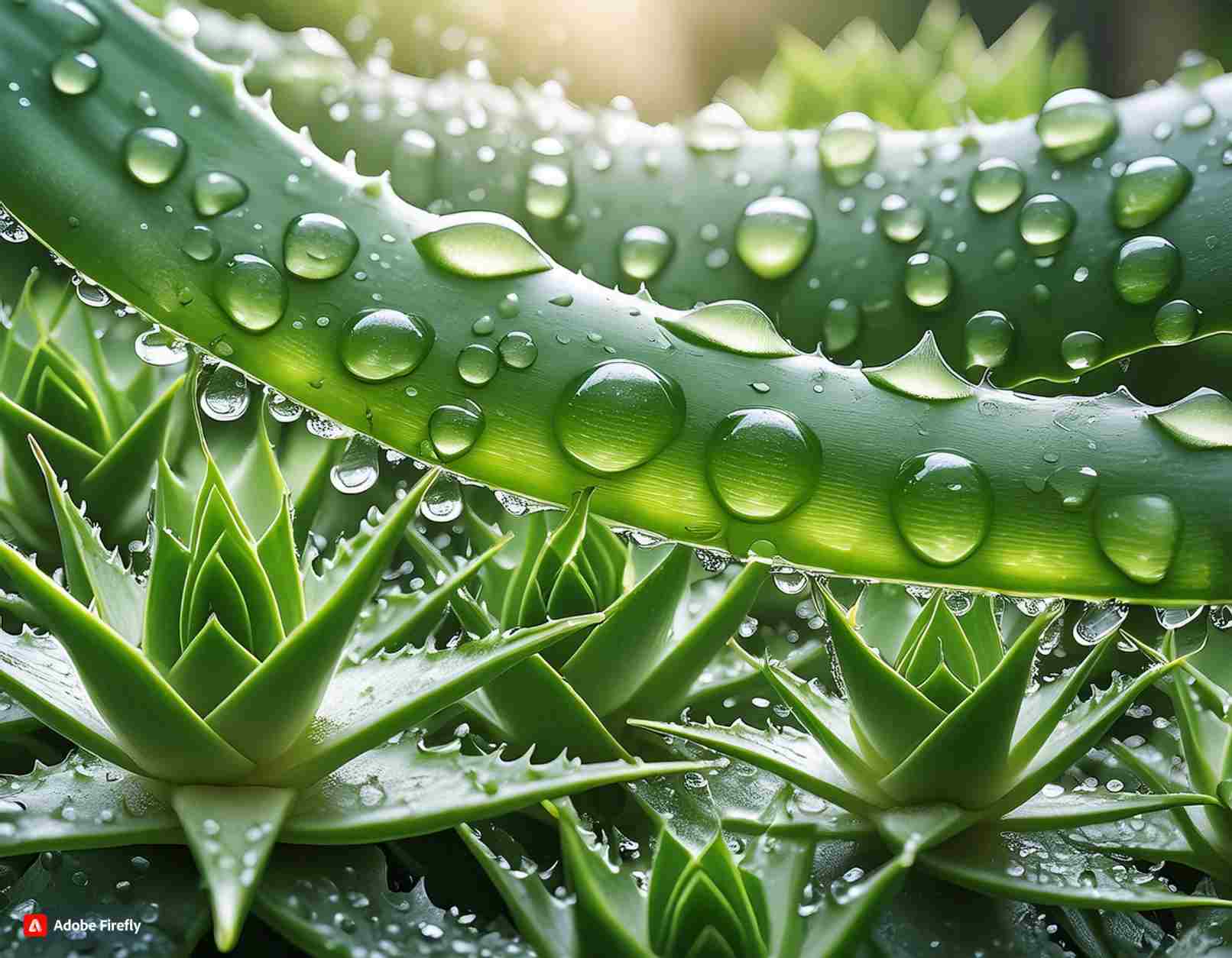
In this article, I have shared with you 17 types of Aloe vera plants among many varieties.

Honestly, one of my favorite plants in my garden and the plant that I take care of the most is aloe vera. I am very excited to share about how many varieties of this plant I have in my garden today.
Aloe Vera Plant Types
- Golden Toothed Aloe
- Short-Leaf Aloe
- Red Aloe
- Snake Aloe
- Spiral Aloe
- Soap Aloe
- Mountain Aloe
- Tree Aloe
- Krantz Aloe
- Climbing Aloe
- Coral Aloe
- Jewel Aloe
- African Aloe
- Cape Aloe
- Aloe vera
- Fan Aloe
- Tiger tooth Aloe
Types of Alovera
Golden Toothed Aloe


Golden Toothed Aloe is an evergreen succulent perennial forming a carpet of decorative rosettes, 12in. wide (30 cm), with broadly triangular, fleshy leaves. This plant is very sensitive to wet soil, so choose a potting soil that drains very well and doesn’t retain too much moisture. It prefers daytime temperatures between 70°F to 80°F. At night, it prefers to chill slightly, with a range of 65°F to 75°F being just right.
Short-Leaf Aloe


Aloe brevifolia, the short-leaved aloe, is a species of flowering plant in the family Asphodelaceae. It is a tiny, compact, blue-green evergreen succulent perennial, that is native to the Western Cape, South Africa.This aloe prefers filtered shade with morning sun and may sunburn in full sun. While drought-resistant, provide additional irrigation throughout the year.
Red Aloe


Red Aloe Vera contains collagen, which prevents aging and regenerates the skin. Red Aloe Vera has been found useful in treating burns, scrapes, psoriasis, and even insect bites too.The primary reason behind Aloe Vera leaves turning red is exposure to direct sunlight. It is the plant’s natural response because it releases anthocyanin when exposed to the direct sun to protect itself from the UV rays. However, the foliage can similarly turn red due to inadequate care.
Snake Aloe


Aloe broomii, known as the mountain aloe or snake aloe on account of its odd inflorescence, is a species of flowering plant in the genus Aloe, found in southern Africa. Snake plant are succulents related to aloe vera and found originally in the desserts of Asia and Africa . They have strong, stiff, almost plastic-like, succulent leaves that come directly right out the ground from the roots or rhizomes..
Spiral Aloe


Aloe polyphylla, the spiral aloe, kroonaalwyn, lekhala kharetsa, or many-leaved aloe, is a species of flowering plant in the genus Aloe that is endemic to the Kingdom of Lesotho in the Drakensberg mountains.Spiral aloe is a very rare and strikingly beautiful plant native to a mountainous region of southern Africa. The plant is in danger of extinction in the wild due to over-harvesting and overgrazing.
Soap Aloe


When Aloe is used in black soap, it can help to moisturize and protect the skin, reducing the appearance of blemishes, irritations, and other imperfections. This makes it a popular choice for individuals with skin issues such as dryness, redness, bumps and irritation.Aloe vera herbal bar soap can be used to cleanse the face, remove makeup, and moisturize the epidermis.
Mountain Aloe


Aloe marlothii is a large, single-stemmed Southern African aloe of rocky places and open flat country, occasionally growing up to 6 m tall.Mountain Aloe is used for a number of remedies with the Zulus using leaf and root decoctions roundworm infestations and by other cultures for stomach problems and horse sickness.
Tree Aloe


Aloidendron barberae, formerly Aloe bainesii and Aloe barberae, also known as the tree aloe, is a species of succulent plant in the genus Aloidendron.It is able to increase its height by 10-30 cm per year under favourable conditions. It is a long lived plant and once established, it will be content in its position and with its soil for years.Tree aloes are drought tolerant and should be irrigated only occasionally, primarily during hot, dry periods. Water deeply, then allow the soil to dry before watering again.
Krantz Aloe


Aloe arborescens, the krantz aloe or candelabra aloe, is a species of flowering succulent perennial plant that belongs to the genus Aloe, which it shares with the well known and studied Aloe vera. It is a multi-stemmed aloe with thick, yellow-green leaves. The leaves are usually sharply toothed on the margins and are very juicy with a yellowish, slimy sap. The sap has been used to treat stomach ailments for many centuries.
Climbing Aloe

Aloiampelos ciliaris, formerly Aloe ciliaris, the common climbing-aloe, is a thin, tough, rapidly growing succulent plant from South Africa.Climbing Aloe, a relative of the more commonly known Aloe Vera, has been embraced for its skin-soothing properties. When it comes to skin irritations and minor wounds, the gel found within the succulent leaves can be a garden-sourced salve. It may not share the medicinal fame of Aloe vera, but it’s still a safe bet for your green space.
Coral Aloe


Aloe striata, with the common name coral aloe, is a small, stemless South African Aloespecies.The plant has attractive, broad, bluish-green, smooth leaves and coral red blossoms. It grows two to three feet tall and two feet wide. Unlike other aloes with serrated leaves or a spine, it has a smooth, pink margin.Easily grown in sandy or gravelly, well-drained soils in full sun or light shade. Water moderately throughout the year but more sparingly in winter.
Jewel Aloe


This plant prefers partial sunlight and 5 inches tall with a space with waxy, triangular leaves. Its native in South Africa and flowers colour is yellow, orange and red.If you’re growing aloe vera outdoors, it should go in a sunny spot. Don’t just move an indoor plant to full sun, though, as it can, ironically, get sunburn.
African Aloe


Aloe africana (known as the Uitenhage aloe) is an arborescent species of aloe plant, indigenous to the Eastern CapeProvince, South Africa. It is easily propagated from seed sown in spring or summer. The plants grow slowly and reach the flowering stage in 4 to 5 years. Sow in a sandy, well-drained potting soil in a warm, shady position in standard seed trays. Germination takes about three weeks.
Cape Aloe


Aloe ferox, commonly known as Cape aloe, is a species of flowering plant in the family Asphodelaceae. This woody aloe is indigenous to southern Africa. The bitter latex, known as Cape aloe, is used as laxative medicine in Africa and Europe and is considered to have bitter tonic, anti-oxidant, anti-inflammatory, antimicrobial and anticancer properties.While the plant is similar to aloe vera in many ways, the chemical composition of the gel from its leaves does differ.
Aloe vera


Aloe vera contains 75 potentially active constituents: vitamins, enzymes, minerals, sugars, lignin, saponins, salicylic acids and amino acids. Vitamins: It contains vitamins A (beta-carotene), C and E, which are antioxidants. It also contains vitamin B12, folic acid, and choline. This plant has been used for thousands of years to heal a variety of conditions, most notably burns, wounds, skin irritations, and constipation. It is grown in subtropical and tropical locations, including South Africa, Latin America, and the Caribbean.
Fan Aloe


The Fan aloe is a perfect container, raised planter and rock garden plant in both residential and commercial plantings. It is a slow growing species with thick branching stems slowly growing 5-6 ft. tall and as wide. This plant is technically known as Aloe plicatilis, but is often lumped into the aloe vera category. It has plump leaves like aloe vera, but they are much longer and arranged in a fan shape. This Cape native can get quite large but, in a container, it will stay smaller.
Tiger Tooth Aloe


Aloe juvenna (Tiger-tooth Aloe) is a species of plant in the genus Aloe. It is popular in cultivation but extremely rare in its natural habitat in Kenya.The plant contains compounds that, if consumed, can lead to gastrointestinal distress. Symptoms might include nausea, vomiting, and diarrhea, which are no walk in the park.Bright, indirect light is your Tiger Tooth Aloe’s best friend. A cozy spot with an east-facing window works wonders, ensuring at least 6 hours of sunlight daily. Keep the temperature above 60 degrees to prevent cold stress, but ideally, aim for a balmy 70 degrees or higher.