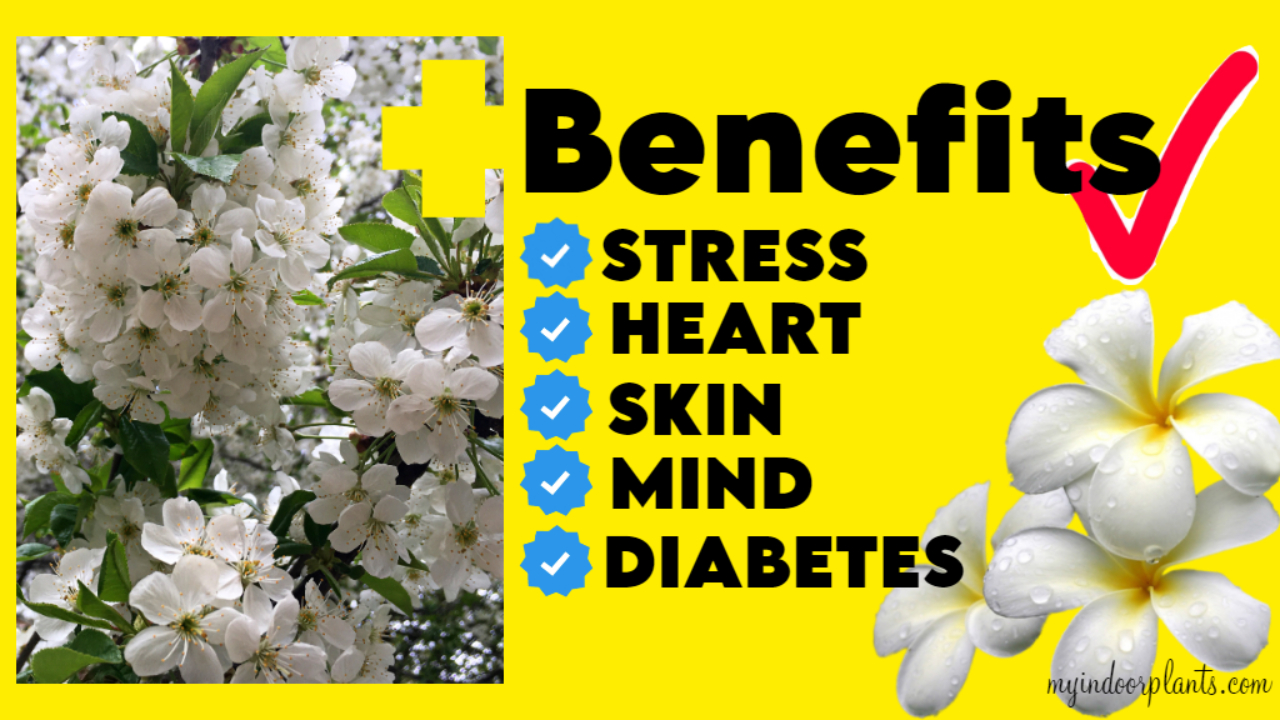
You brought jasmine plant home but knowing what positive things make your home so beautiful. So let’s get started for you.

- Reduce stress
- Promote heart health
- Increase skin elasticity
- Boost your mind
- Reduce swelling
- Increase oral health
- Eases cough and cold
- Reduce food cravings
- Improve cognitive functioning
- Manage diabetes
Benefis of Jasmine Plant
1. Reduce stress


Jasmine – The calming scent of jasmine provides therapeutic benefits. Jasmine is often infused into medicinal alternatives for conditions like depression, stress, anxiety, and even insomnia. Chamomile – Chamomile is another well-known plant lauded for its relaxation benefits. Chamomile inspires calm. Jasmine’s scent directly impacts a brain/central nervous system chemical known as GABA, which results in the calming of the nerves, a soothing of anxiety depression, and the facilitating of rest.
2. Promote heart health
Jasmine tea is high in polyphenols, which may help protect against heart disease. In animal and test-tube studies, tea polyphenols have been shown to protect LDL (bad) cholesterol from oxidizing — a process that raises your risk of heart disease. Jasmine tea contains antioxidants and polyphenols, which may provide various health benefits such as improved heart health, digestion, and immune function. Additionally, the aroma of jasmine is believed to have calming properties, making jasmine tea a popular choice for relaxation and stress relief.
3. Increase skin elasticity
Jasmine oil is one of the anti aging butters for skin toning, lifting, balancing, and nourishing. Jasmine is known as the King of Flowers. It can be used to dry skin, wrinkles and is considered suitable for all skin types , especially dry mature aging skin. It might causes headaches, skin reactions and nausea due to its strength. It can always be toned down by combining it with coconut , almond and jojoba oil and avoiding direct contact with the skin. Create a luxurious and hydrating face serum by combining jasmine Infused Water with a few drops of jojoba oil, rosehip oil, and vitamin E oil. It works by increasing
4. Boost your mind


The beautiful floral scent of jasmine is one of our favourites. Unlike its delicate flower, its scent is rich, exotic, tenacious and warm and it’s often described as the King of essential oils. The super scent seems to help bring problems into perspective – drawing a person out of depression and helping them see a problem for what it really is. It offers little choice other than optimism. The sweet floral scent of jasmine provides relief from coughs by helping clear out the accumulation of phlegm in the respiratory tracts.
5. Reduce swelling
If you’ve got a new or small plant, you can prune it to make jasmine grow larger. Just pinch off the tips of the vines to encourage your jasmine to branch off and create a fuller plant. The plant Jasminum sambac L. (Oleaceae) is cultivated throughout India. The leaves and roots of the plant are used traditionally in the treatment of inflammation, fever and pain. The leaves of the plant have been reported to posses significant anti-inflammatory and analgesic activities. Maintain even moisture by allowing the top half-inch of soil to dry between waterings. Reduce water during the fall and winter months when plants are less active.
6. Increase oral health
Jasmine tea can promote periodontal health by reducing inflammation, preventing bone resorption and limiting the growth of certain bacteria associated with periodontal diseases. These catechins may help protect against tooth decay or cavities. They work by killing plaque-forming bacteria like Streptococcus mutans. Some experts suggest that jasmine tea like green tea may help reduce bad breath by controlling the growth of odor-causing bacteria. Jasmine tea is good for oral health.


Murraya paniculata – Kamini. Kamini flowers have an aromatic orange-like fragrance.The Jasminum auriculatum leaves have numerous medicinal applications such as antilithiatic, wound healing activity and diuretic activity.Plant in well-drained soil in full sun for optimum flower and scent power. Great to plant as a specimen close to a sitting area to enjoy the fragrance, or great for pots on a sunny porch or balcony.Most gardeners love fragrant plants, some even collect them, and there are fragrant flowers from almost every category of plant: perennials, shrubs, trees and vines. Readmore
7. Eases cough and cold
Jasmine oil is also known to ease spasmodic coughs. Parijat, also known as night jasmine, typically provides relief from the symptoms of cough and cold. Harsingar is packed with beneficial uses such as, it helps treat dandruff, lice, vertigo and anxiety symptoms, scurvy and acidity. Additionally it also treats high blood pressure, sciatica, relieves menstrual cramps and is an antidote to snake bites in some cases. Jasmine has been used for liver disease (hepatitis), pain due to liver scarring (cirrhosis), and abdominal pain due to severe diarrhea (dysentery).
8. Reduce food cravings
Jasmine is inhaled to improve mood, reduce stress, and reduce food cravings. In foods, jasmine is used to flavor beverages, frozen dairy desserts, candy, baked goods, gelatins, and puddings. In manufacturing, jasmine is used to add fragrance to creams, lotions, and perfumes. It does contain some amount of caffeine, which can cause problems in some people. Consuming too much caffeine can lead to or trigger problems like anxiety, restlessness, stomach problems and nervousness.
9. Improve cognitive functioning

%3Astrip_icc()%2Farabian-jasmine-4f0853b0-974f01515aa54935a9b84acd860fdeb7.jpg&tbnid=Ya9q3NSaZFm6sM&vet=1&imgrefurl=https%3A%2F%2Fwww.bhg.com%2Fgardening%2Fplant-dictionary%2Fvine%2Fjasmine%2F&docid=MzXOElh7fN7YgM&w=1280&h=1933&source=sh%2Fx%2Fim%2Fm4%2F2&kgs=e039e34f6fb3aec9&shem=abc#vhid=Ya9q3NSaZFm6sM&vssid=mosaic)
The aroma of Jasmine flower tea has been found to have an uplifting effect on the mood. Naturally, Jasmine flowers are used in aromatherapy to relieve symptoms of depression, anxiety, and stress. No need for candles or oils, just steep some Jasmine tea and breathe in the sweet, soothing aroma. Boost brain function. The small amount of caffeine in jasmine green tea plays a big part in its potential to improve brain function. Caffeine encourages your brain to release mood-enhancing chemicals like serotonin and dopamine.
10. Manage diabetes
The petals of jasmine contain three molecules that together may help people with prediabetes or diabetes control their blood sugar levels, according to new research. These molecules reduce brain inflammation, which in turn improves insulin function. Regular consumption of jasmine as tea or in dishes significantly reduces the breakdown of starch into glucose which in turn lowers the fasting blood sugar and insulin levels. Night blooming jasmine is a fragrant plant with multifaceted medicinal properties like antioxidant, antibacterial, antifungal, anticancer, hypoglycemic, antimalarial, antiepileptic, cytotoxic, analgesic, anti-inflammatory, anti-HIV, and hepatoprotective, antipyretic and wound healing effect.