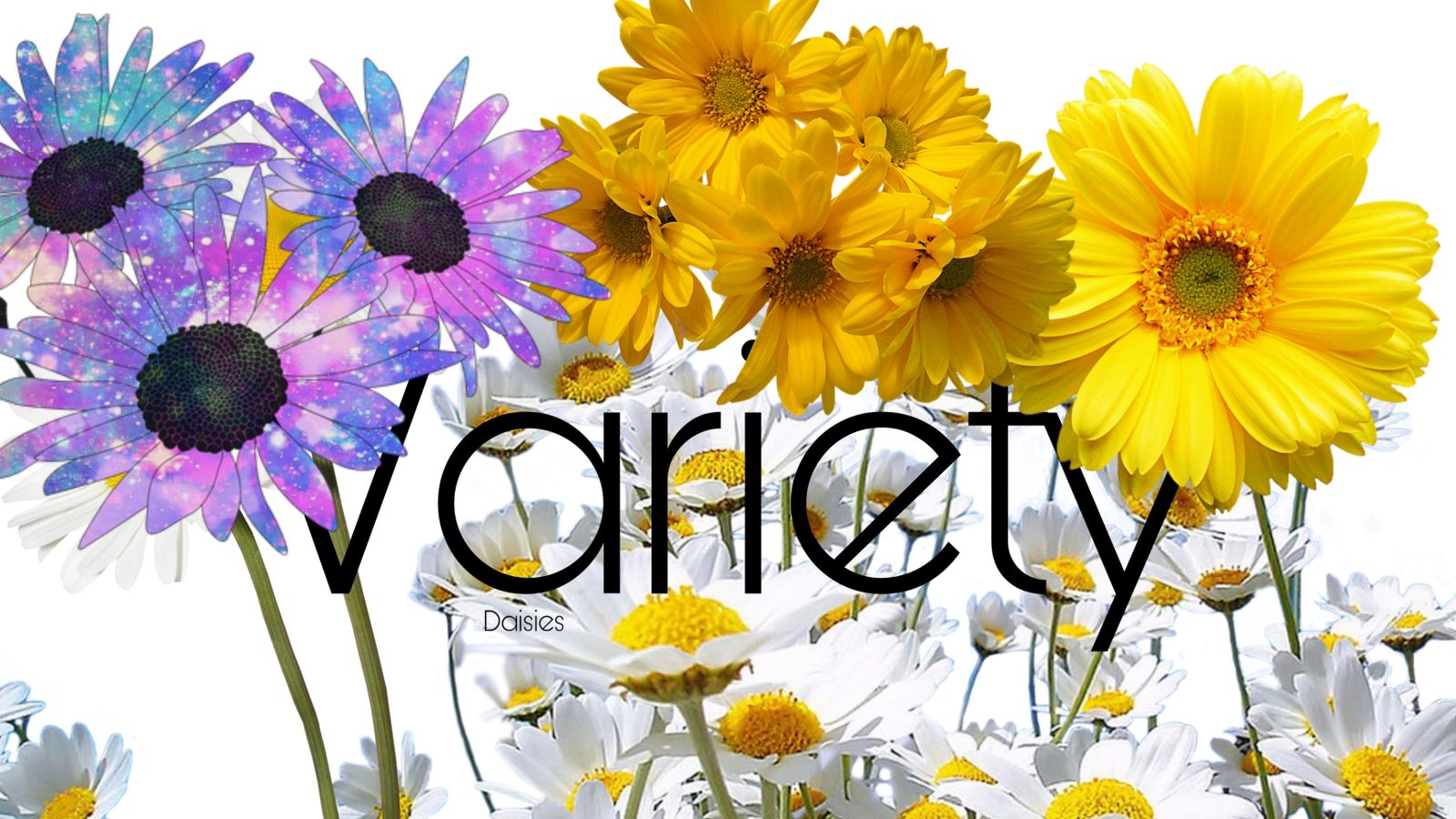
Marguerite Daisy, Gerbera Daisy and 18 varieties of daises plant. In this article I will share some of the varieties of daisies plant that I have in my house along with the necessary ingredients that help in growing varieties of daisies .

20 Daisies varieties
- Marguerite Daisy (Argyranthemum frutescens)
- Gerbera Daisy (Gerbera jamesonii)
- Oxeye Daisy (Leucanthemum vulgare)
- Painted Daisy (Tanacetum coccineum)
- English Daisy (Bellis perennis)
- Chrysanthemum
- Cape Daisy (Osteospermum)
- Coneflower Daisy (Echinacea)
- Golden Marguerite Daisy (Anthemis tinctoria)
- Gloriosa Daisy (Rudbeckia hirta)
- Shasta Daisy (Leucanthemum x superbum)
- Dahlberg Daisy (Thymophylla tenuiloba)
- Curly Leaf Daisy (Arctotis revoluta)
- Euryops Daisy (Euryops pectinatus)
- Desert Star Daisy (Monoptilon bellidiforme)
- Chocolate Daisy (Berlandiera lyrata)
- Blue Daisy (Felicia amelloides)
- Aster Daisy (Symphyotrichum)
- Gaillardia Daisy (Gaillardia)
- Livingstone Daisy (Dorotheanthus bellidiformis)
20 most common Different varieties of daisies
1. Marguerite Daisy (Argyranthemum frutescens)

Another varieties of daises is Marguerite Daisy, is a perennial plant known for its flowers. It is native to the Canary Islands and prefer cooler temperatures that don’t go above 70 degrees Fahrenheit with well-draining soil that receives at least 6 hours of sun each day. It is used in traditional remedies to promote relaxation and combat ailments.
2. Gerbera Daisy (Gerbera jamesonii)

Gerbera is also commonly known as the African daisy, it native to South Africa. It grow best in planty area and also grow best in a pot so can move them to the best location as the season change. Water only when the soil is dried out and also needs more frequent watering when fast getting established. It can live two or three years with proper care.
3. Oxeye Daisy (Leucanthemum vulgare)

Oxeye Daisy is a widespread flowering plant native to Europe and the temperate regions of Asia. They prefers full sun to partial shade and well draining soil. It is used for respiratory tract, wound healing, and various other purposes. This plant is low maintenance and tolerant of a variety of soil types.
4. Painted Daisy (Tanacetum coccineum)

Painted Daisy is a perennial flowers feature a yellow centre surrounded by red, magenta and marigold colours petals. It blooms time from to late Spring to late Summer. This plant is unfussy about soil texture and soil pH is between 5.2-7.0.
5. English Daisy (Bellis perennis)

Another varieties of daises is English Daisy, is commonly known as lawan daisy, it is native to Western, Central and Northern Europe. It prefers well draining, evenly moist soil. Water regularly because this plant is not drought tolerant. English daisies prefer cooler temperatures and can tolerate light shades. It is low maintenance plants, making them suitable for beginner gardeners.
6. Chrysanthemum


Chrysanthemum is native to East Asia and northeastern Europe. It requires well draining soil and full of light. Water frequently due to their shallow roots system. This plant is requires even moisture for the best growth.
7. Cape Daisy (Osteospermum)

Cape Daisy is known as African daises, it grows best in full sun and well draining soil. Water regularly, keeping the soil moist but not soggy. You can fertilise your plant every two to three weeks during the blooming period. These flower prefers low maintenance when grown in an environment they like.
8. Coneflower Daisy (Echinacea)

Coneflower Daisy is a genus of herbaceous flowering plants, it native to Eastern and Central North America. This plant is drought tolerant and it prefers moderate water for best growth and flowering. During the first growing season, it’s important to keep the soil consistently moist but not waterlogged.
If you know about the problem of Jade plant then check this.
9. Golden Marguerite Daisy (Anthemis tinctoria)

This plant is a bushy, clump-forming perennial bearing attractive, daisy-like flowers. Golden marguerite plants are best grown in full sun. Choose a location that will receive at least 6 hours of full sun each day. It prefer cooler temperatures that don’t go above 70 degrees Fahrenheit.
10. Gloriosa Daisy (Rudbeckia hirta)

Gloriosa Daisy is garden friendly and easy to grow plant. It native to Eastern and Central North America. It is generally a great choice for beginners and consider for its easy to care features. This plant prefers well draining soil and should be water regularly.
11. Shasta Daisy (Leucanthemum x superbum)

Shasta Daisy is a highly popular herbaceous perennial valued for its prominent and spectacular floral display. This plant is like moist well draining soil in full sun to partial shade. It have moderate drought tolerance once established, but they prefer regular watering for optimal growth and blooming.
12. Dahlberg Daisy (Thymophylla tenuiloba)

Dahlberg daisy plants have feathery foliage and yellow blooms. It prefers well-draining, sandy soil with a pH of 6.8 or higher in full sun.Thrives in sandy soils with excellent drainage. From spring to summer, it produces small upturned, star-shaped, bright yellow flower.
13. Curly Leaf Daisy (Arctotis revoluta)

Curly Leaf Daisy is a small, low growing shrub that produces flowers with long yellow petals and centres. This plant needs sufficient watering during its establishment phase in a garden. It also bears curly like leaves that are often covered in a layer of fine hair.
14. Euryops Daisy (Euryops pectinatus)

Euryops Daisy is a species of flowering plant in the family Asteraceae and native to South Africa. This plant prefers well draining soil and full of sun for best blooms. It is attractive to pollinators and can tolerate some shade. It is a various evergreen shurb growing with silvery green, hairy leaves and yellow flowers.
15. Desert Star Daisy (Monoptilon bellidiforme)

Desert Star Daisy is prefers low dry sandy and gravelly flats, desert washes, Creosote Bush (Larrea) and pinyon-juniper woodlands. It is native to the desert southwest of the United States.These plants thrive in well-draining sandy soil with minimal water, as they are drought-tolerant.
16. Chocolate Daisy (Berlandiera lyrata)

Chocolate Daisy is a North American species of flowering plant in the family. Its have coarse, gray-green foliage with chocolate aroma. It is derived from the scent of its flowers that smell like chocolate. Also referred to as ‘green-eyes’ comes from the green disk shaped flower center that remain after the petals fall off.
17. Blue Daisy (Felicia amelloides)

Blue Daisy is a hairy, soft, usually perennial, evergreen plant. It has white-veined, velvety leaves with flashy purple undersides. It blooms from summer to fall with pink, trumpet-shaped flowers.Water regularly, but moderately, especially during the dry season.
18. Aster Daisy (Symphyotrichum)

Aster Daisy flowers are a warm lavender-blue with yellowish-green centres. Grow asters in moist but well-drained soil in dappled shade or partial shade. This plant likes loamy soil, as this soil type allows enough water, air, and nutrients to flow through the flower.
19. Gaillardia Daisy (Gaillardia)

Gaillardia is a genus of flowering plantsnative to North and South America. Gaillardias do best in nutrient-poor soil so it’s best not to fertilise or mulch as you would with other perennials.Grows well in sandy beach locationsand is salt tolerant.
20. Livingstone Daisy (Dorotheanthus bellidiformis)

Livingstone Daisy is unique, bright-red colored flowers on succulent ground-cover plants, it is native to South Africa.Choose a location that will receive at least 6 hours of full sun each day. Livingstone Daisy plants need a very well drained soil.