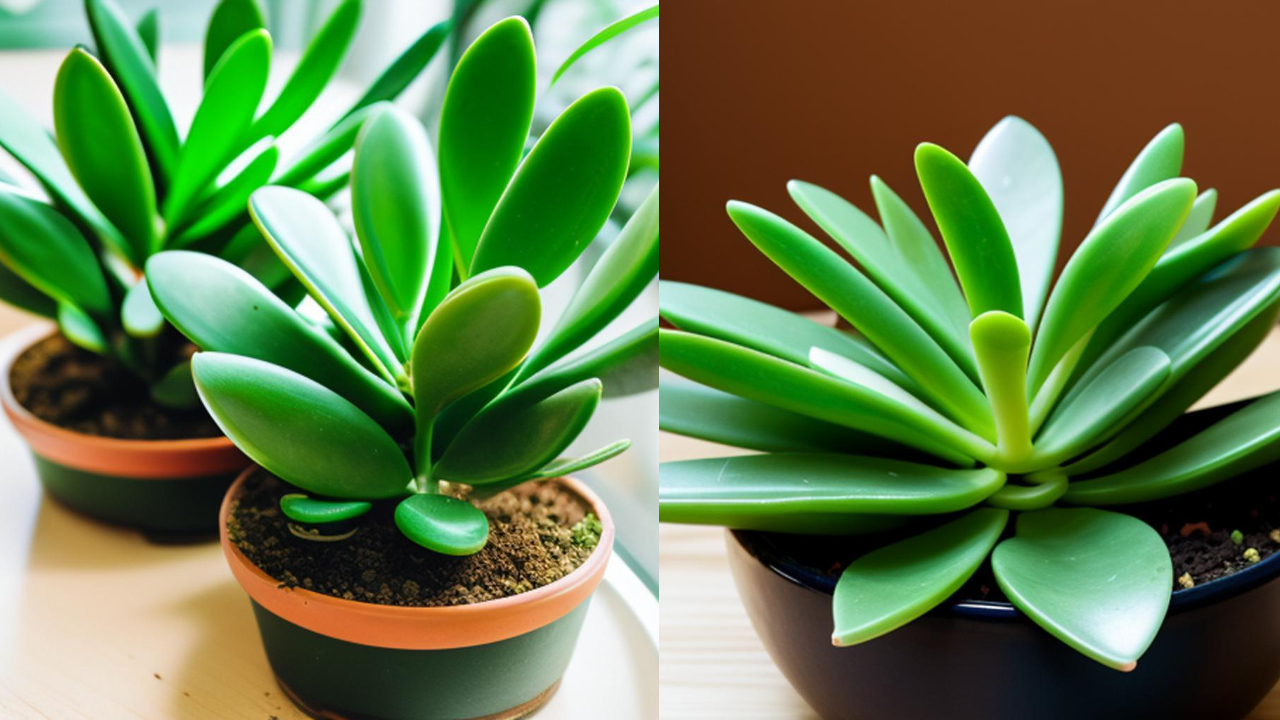
The most important point about jade plant is that this plant can store a lot of water in its roots and stems. I was surprised to hear this from my father. So let’s know how to keep fresh and healthy jade plant at home from the few tips given by Dad.

Scientific classification of Jade Plant
- Kingdom: Plantae
- Clade: Tracheophytes
- Clade: Angiosperm
- Clade : Eudicots
- Order : Saxifragales
- Family: Crassulaceae
- Genus : Crussula
- Species : C. ovata


Jade plant Prefers
- Light : Bright, Indirect light
- Soil : Well draining
- Soil ph : 6.0 pH
- Temperature: 65-75 degree fahrenhite
- Humidity: 30-60%
- Bloom time: June to August
- Toxicity: Humans and pets
- Native area: South Africa
How to take care of Jade plant
To keep your jade plant in the running for the longest living, you need to know how to take care of it. Here, I will explain you how to take care of your plant.The most important factors to consider when growing jade indoorplants is water, light, temperature, and fertilizer. So let’s get started.
Light
The jade plant grows best in filtered sun to partial shade, and may sunburn if planted in reflected sun. It is drought-tolerant but requires occasional irrigation and does not like to be over-watered. Keep your jade plant in bright light for at least six hours per day, according to Almanac. While mature plants can handle direct sunlight, younger plants require a bright space that’s free of direct rays. Without proper sunlight, your jade plant will stop growing, or it’ll grow tall and leggy.
Water
Your jade plant will need a generous soak about every 14 days, although the frequency in which you have to water your plant will depend on the season. Jade plants need more water in the summer and much less in the winter.These drought-tolerant plants are happy to go for several days or even weeks without water and prefer their soil remain dry most of the time. Jade plants are succulents, so they don’t do well when sitting in constantly moist soil, so let the top 1 to 2 inches of soil dry out between waterings. Indoors, this will probably mean watering once every 2 to 3 weeks—but be sure to check regularly.
Soil

%3Astrip_icc()%2Fjade-plant-moss-accent-table-c503ce13-9538bbfb99874b278a195fb5de4fee1a.jpg&tbnid=o5DAVIF7LM3PcM&vet=1&imgrefurl=https%3A%2F%2Fwww.bhg.com%2Fgardening%2Fplant-dictionary%2Fhouseplant%2Fjade-plant%2F&docid=8lwW1LYzlWzG1M&w=1245&h=1660&itg=1&source=sh%2Fx%2Fim%2Fm4%2F2&kgs=0a482cb56023e089&shem=abme%2Ctrie#imgrc=RLK-h5UxbLUCsM&imgdii=o5DAVIF7LM3PcM)
Jade plants typically root more reliably in soil, but you can also try propagating these houseplants in water. Keep in mind that jade plants grown in water often root quickly, but they can sometimes struggle when transplanted into soil. This plants prefer a loose, rocky soil that is well-draining. Adequate drainage is vital, as too much moisture can cause wet feet and rot out your entire plant. Avoid using traditional all-purpose potting soils when planting jade.
Temperature & humidity
To keep your Jade plant in the Goldilocks zone—not too hot, not too cold. That’s between 65°F and 75°F for the uninitiated. It’s the sweet spot where your plant will thank you with robust growth and the potential for flowers, even if they’re just a humble brag.
During the winter months, protect plants from drafts and do not let their foliage touch windowpanes. Jades prefer the full sun or bright filtered light of a south-facing window.Jade plants thrive at 30-60% humidity, ensuring healthy growth. Stable humidity prevents stress and common issues like leaf curling.
Fertilizer
Jade plant use liquid tea and coffee fertilizer and also compost of tea leaves. This fertilizer is best homemade fertilizer for jade plant. You can use tea fertilizer compost every 15 days and liquid fertilizer every week.It makes the leaves darker and stems thicker.
Propagation of Jade Plant
The best way to propagate a jade plant is with a stem cutting. This is a particularly great method if a branch of your plant falls off or if you want to gift a baby plant to someone else. Select a stem from the mother jade and using clean scissors or pruners, snip the stem just above where the stem meets the branch. You need to create a long enough stem that will root and stay upright in the soil so break off any leaves from the lower half of this stem.


A Swiss cheese plant is typically 30-40 years with proper care.The Rare Mini Monstera is not commonly found everywhere. The rarity of these variegated Monstera plants is due to the fact of how challenging it is to grow.The best way to identify borsigiana is to check the top of the mature leaves.Monstera esqueleto may have difficulty thriving, and will drop leaves , without ample sunlight. Place it less than 3 feet from a south-facing window to maximize the potential for growth. Read more
Pruning of Jade Plant
Pruning your Jade plant isn’t just about keeping it looking sharp; it’s crucial for the plant’s structure and overall health. To prevent your Jade from becoming the Leaning Tower of Pisa, snip off leggy growth. This encourages a denser, more robust form. If your plant is not compact and looks stretched out, chances are that it has become etiolated. This just means that the plant has stretched out because of insufficient light. By snipping away the dead or damaged bits, you’re essentially telling pests and diseases to back off, making room for fresh, robust growth.


Common problem of your plant
- The most common issues with jade plants is overwatering, which can lead to root rot. This condition is often fatal if not addressed promptly.
- Too much or too little water plus insects and mites are the main problems. Root rot usually results from a soil mix that does not drain quickly or overly frequent watering.
- Jade plants are rarely affected by diseases, but there are a few to look out for, namely root rot and mildew. Root rot is caused by continuously wet substrate and waterlogging. Obvious signs of root rot include soft shoots and a rotting smell coming from the plant.
Benefits of Jade Plant
- The jade plant is not only an ornamental indoor plant that attracts money but also a medicinal plant that can treat different kinds of ailments.
- The plant also has great importance in Feng Shui. This evergreen succulent is regarded as a symbol of good luck, fortune and prosperity. The round leaves of the jade plant resemble coins, symbolizing wealth and prosperity. It is also thought to attract financial abundance and success.
- According to Vastu, the Jade plant should be placed in the north or east direction of the house, as it is considered auspicious and brings good luck and prosperity.
Leave a Reply