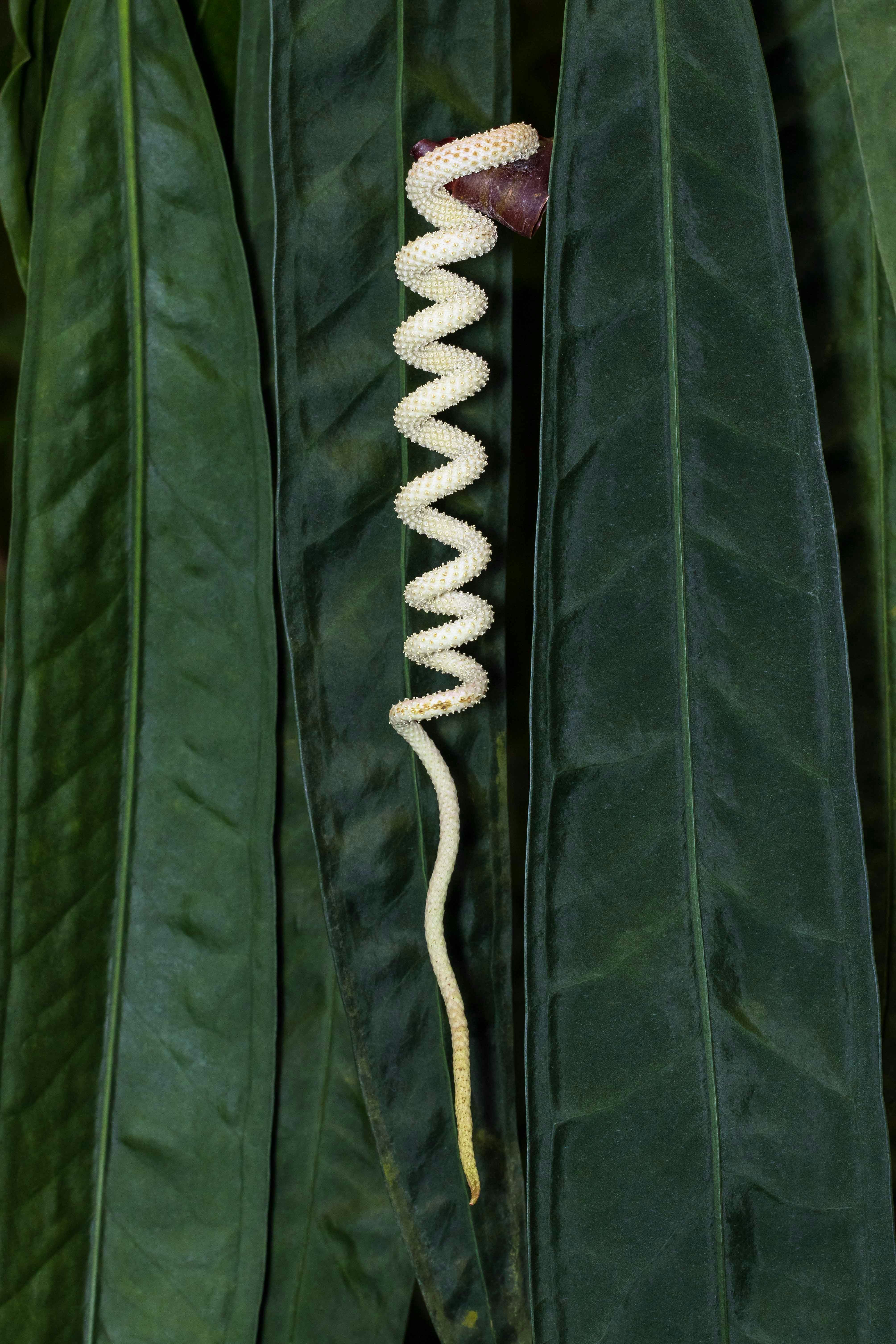
Are you looking to house some messy looking indoor plants that will enhance and enhance your home then you have come to the right place. This article will help you how to grow your favourite Anthurium Wendlingeri plant.

A few days ago, I went to my friend’s house. I was quite surprised to see the huge plant in the drawing room of their house. I know less about the plant. I understand that this is a species of anthurium, this plant’s name is Anthurium Wendlingeri. But I wanted to know how such a beautiful healthy plan was created indoors where natural sunlight does not reach.
- Scientific classification of Anthurium Wendlingeri
- Anthurium Wendlingeri Prefers
- Anthurium Wendlingeri Care
- Propagation of Anthurium Wendlingeri
- Pruning Of Anthurium Wendlingeri
- Common problem Of Anthurium Wendlingeri
- Some Benefits of Anthurium Wendlingeri
Scientific classification of Anthurium Wendlingeri
- Kingdom: Plantae
- Clade: Tracheophytes
- Clade: Angiosperms
- Clade: Monocots
- Order: Alismatales
- Family: Araceae
- Genus: Anthurium
- Species: A. wendlingeri
Anthurium Wendlingeri Prefers


- Light – Bright, indirect light
- Soil – Well draining
- Soil pH – 5.5-6.5
- Temperature – 45°f – 60°f fahrenheit
- Humidity – 50%-60%
- Bloom time – Winter to Summer
- Native area – Colombia
- Toxicity – Human and pets
Anthurium Wendlingeri Care
Here, I will explain you how to grow the plant with different points. Begonias like indirect sunlight or shade, regular watering, and well-drained soil that is rich in organic matter.
Light
It prefers indirect bright light to grow and thrive.Any room with a bright window will do, and stay 3 to 6 feet away from the nearest light source.A good rule of thumb is to place your anthurium in a spot where it receives bright, filtered light for at least six hours per day.
Water
The Anthurium is a perfect plant to grow in water.Your anthurium will do best when the soil has a chance to dry out in between waterings. Too much or too frequent watering can lead to root rot, which could severely affect the long-term health of your plant.You can create a real hit in no time. It’s cool to see the plant’s roots growing. Anthurium Wendlingeri needs 0.8 cups of water every 9 days when it doesn’t get direct sunlight and is potted in a 5.0″ pot. Use our water calculator to personalize watering recommendations to your environment or download Greg for more advanced recommendations for all of your plants.


A genus of 1300 species is begonia, this plant is very easy to grow for growing season. Choose any of the many shapes, sizes, and colors, and you’ll be rewarded with stunning flowers and foliage.The indoor varieties begonia prefers a spot near a large window with a sheer curtain to protect them from any direct sunlight.When the soil is neither dry nor saturated then your goal is to find a moisture level and watering schedule that is justttt right. A good rule of thumb is to water every two to four days.Pruning is essential for growing one to many plants and limo plant will be case.
Soil
Anthurium plants prefer a soil mix that’s well-draining and rich in organic matter. A mix of peat moss, perlite, and coarse sand or bark is ideal for Anthurium plants. The soil should be loose and airy to allow for proper root growth and water drainage.You can use ordinary potting soil, but then, considering the anthurium grows like an orchid, it will actually prefer something lighter and better aerated, like an orchid mix or a 50/50 blend of orchid mix and indoorplant mix.Allow the soil to dry out about halfway before watering, taking care to not allow it to sit in excess water. Provide your new plant with plenty of medium to bright indirect light for optimal growth.
Temperature & humidity
It prefers warm temperatures of 75º to 85ºF during the daytime, and 70° to 75°F at night, but temperatures as low as 45°F and as high as 90°F can be tolerated.Anthuriums tend to grow best when they are not too hot or too cold. Try & aim for a maintained temperature,Keep your Anthurium away from hot & cold drafts.
This plant appreciates to thrive in bright filtered to medium light, avoid direct sunlight and nice humidity levels.This would do best in a semi-coarse potting medium and go roughly 2″ dry on the top of the soil before watering.Anthuriums need humidity to be at 50 percent or more, much higher than in the average home interior. Increase humidity around your Anthurium by placing the potted plant on a tray of moistened pebbles.
Fertilizer


This tropical plant is a fast growing plant and may deplete the nutrients in its soil over time. Replenish them with a gentle organic fertilizer or compost every 1-2 months depending on your location and season.Fertilize more often during the growing season and in warmer and brighter climates.Anthurium will do fine with a balanced fertilizer with an NPK ratio of 10:10:10 for overall plant health and growth.
Propagation of Anthurium Wendlingeri
The best way to propagate your Anthurium by root division.You should wait for repotting season in spring and plan on propagation by division. This is not one of those plants that you can just take cuttings from and hope for the best.Be as careful as you can to not damage the roots or the base of plants as you separate them out.
Pruning Of Anthurium Wendlingeri
It’s best to prune the plant during the growing season when it’s actively growing, usually in spring and summer. This plant is help to maintain its shape and encourage healthy growth. Pruning your anthurium plant every now and then is necessary to keep it happy and healthy. It will also make the plant last longer. Because by cutting away wilted flowers and old leaves, the plant can save its energy.
Common problem Of Anthurium Wendlingeri
- Anthuriums are susceptible to root rot, which is caused by overwatering and poorly draining soil. The plant’s roots will appear brown and mushy, and the plant may wilt or drop leaves.
- Ralstonia bacterial wilt causes yellowing of Anthurium leaves. Symptoms: Leaf yellowing is usually the first symptom observed. The disease spreads rapidly throughout the vascular system of the plant, turning veins in the leaves and stems a brown, bronze color.
- An overwatered Anthurium will have browning leaves and tips. Flowers may become brown as well.


Some Benefits of Anthurium Wendlingeri
- Anthurium plants are known for their ability to purify the air by removing toxins and pollutants. They can filter harmful substances, such as formaldehyde and benzene.
- According to Feng Shui, Anthuriums are lucky plants and bring good luck in your relationships.The red, heart-shaped flower of Anthuriums brings joy and happiness wherever they go.
- The Araceae Anthurium schlechtendalii and Syngonium podophyllum are traditional remedies for the treatment of severe and chronic inflammatory conditions.
- Anthurium – They are also known as flamingo flowers or pigtail plants and are definitely toxic. If they are eaten, you will experience a painful burning sensation in your mouth. You may develop blisters and swelling inside of your mouth.